 Bradenton Siding
 Rosedale Roofs Face a Different Kind of Wear
Rosedale sits inland from the coast, but that doesn't buy much protection from what a Gulf Coast storm season throws at a roof. Bradenton and the rest of Manatee County see hurricane-force wind gusts, sideways wind-driven rain that finds every gap in flashing, and long stretches of intense subtropical UV that bakes shingles between storms. Salt air carried in off the Gulf adds a slower, quieter problem: it accelerates corrosion on exposed metal fasteners, flashing, and vents, weakening a roof's hardware years before the shingles themselves wear out.
Like many of the county's mature, established communities, Rosedale has a substantial tree canopy, which means wind events bring not just uplift and rain intrusion but branch strikes and debris punctures. A roof here needs to hold up to all of that at once, not just one threat in isolation, and repairs that only address the visible surface tend to fail again at the next named storm.
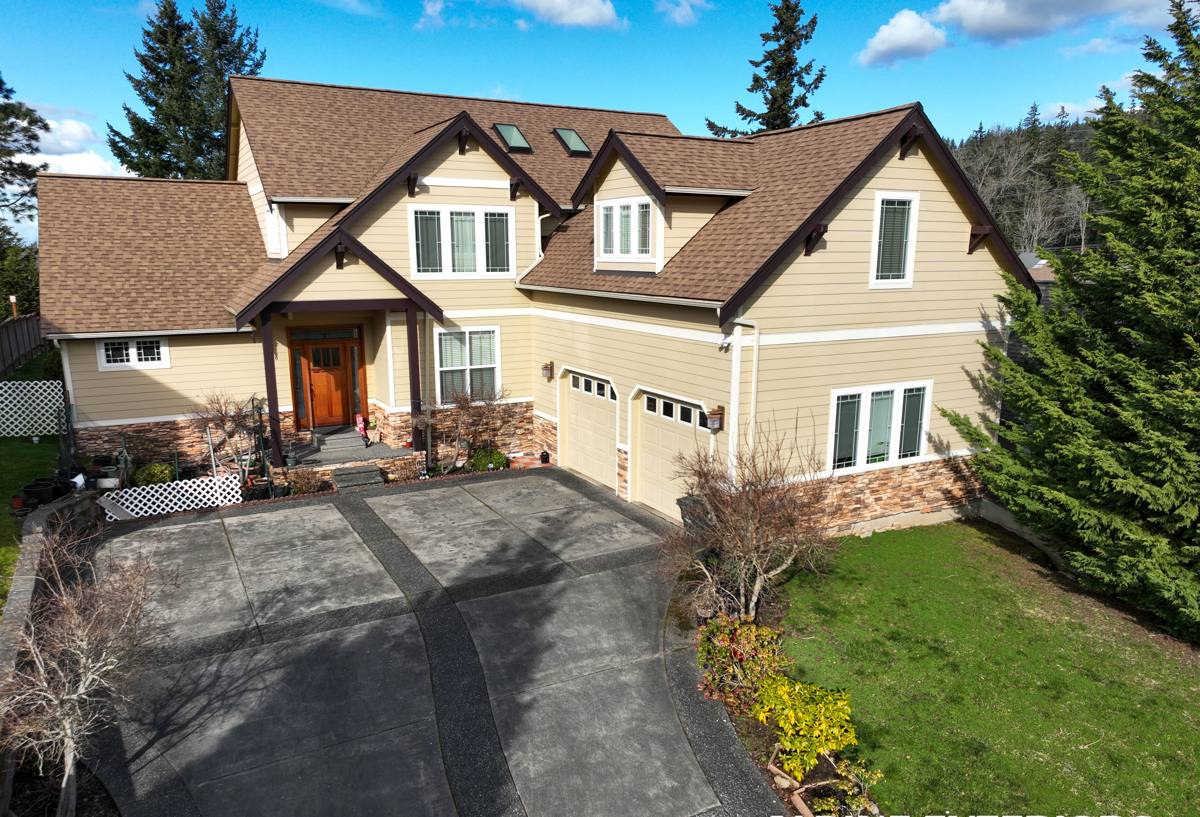
Recognizing Storm Damage Before It Becomes a Bigger Problem
Some storm damage is obvious. Most of it isn't, at least not from the ground.
Signs You Can Often Spot Yourself
- Shingles that are missing, cracked, curled, or visibly lifted at the edges
- Bare or dark patches where granules have washed away, exposing the asphalt mat underneath
- Dented or dislodged gutters, downspouts, or roof vents
- Debris punctures, dings, or gouges from wind-thrown branches
- Water stains on interior ceilings or ceiling corners near exterior walls
- Visible gaps or bent metal around chimneys, skylights, and plumbing vents
Damage That's Easy to Miss
The damage that causes the most trouble later is often invisible during a homeowner's own walk-around. Bruised shingles (impact points that crack the mat without tearing it), hairline fractures in flashing seams, and underlayment that's been saturated but hasn't leaked into the living space yet can all sit quietly for months. By the time a stain appears on the ceiling, water has usually been getting into the deck for a while. That's the main reason we recommend a professional inspection after any significant wind or hail event, even if the roof looks fine from the driveway.
What a Proper Storm Damage Repair Actually Involves
Storm damage repair done right is not just swapping out a few shingles that blew off. A correct repair addresses the whole system, because wind and water rarely damage just one layer.
- Full-roof inspection, not just the area the homeowner flagged — wind damage is frequently worse on the side of the roof facing the prevailing storm direction than on the side that's easy to see
- Deck inspection for soft spots, rot, or delamination anywhere water may have gotten underneath the shingle layer
- Flashing repair or replacement at every penetration — chimneys, vents, skylights, and roof-to-wall transitions are where the majority of leaks actually originate, not the open field of shingles
- Underlayment repair to restore the secondary water barrier before new shingles go back down
- Shingle matching as close as reasonably possible in profile, color, and style so the repair doesn't stand out as a patch
- Code-compliant fastening — correct nail count and placement for Florida's wind-load requirements, not the minimum that happens to hold
- Ventilation check, since a roof that traps heat and moisture will shorten the life of even a well-repaired section
Skipping any of these steps is how a homeowner ends up paying for the same repair twice — once now, and again after the next storm finds the same weak point.
Repair or Replace? How We Help You Decide
Not every storm-damaged roof needs a full replacement, and not every roof is a good candidate for another patch repair. The right call depends on a handful of honest factors, which we walk through with you before recommending either path.
| Factor | Leans Toward Repair | Leans Toward Replacement |
|---|---|---|
| Roof age | Under roughly half its expected lifespan | Nearing or past its expected service life |
| Extent of damage | Isolated to one section or slope | Spread across multiple slopes or the whole roof |
| Decking condition | Solid, dry, no rot | Soft spots, delamination, or repeated leak history |
| Shingle availability | Matching material still available | Discontinued or badly weathered elsewhere on the roof |
| Insurance scope | Adjuster approves targeted repair | Adjuster or engineer determines full replacement is warranted |
We'll give you a straight answer based on what we actually find on your roof, not the answer that happens to be more profitable for us.
Our Storm Damage Repair Process
- Emergency assessment. If there's active leaking or exposed decking, we prioritize a tarp-over and stabilization to stop further water intrusion.
- Detailed inspection and documentation. We photograph and note every point of damage, which matters for both the repair plan and any insurance claim.
- Written scope of work. You get a clear explanation of what's damaged, what needs to happen, and why — before any work starts.
- Permitting. Repairs that meet the local threshold are permitted through Manatee County or the City of Bradenton as required, so the work is inspected and on record.
- Repair execution. Decking, underlayment, flashing, and shingles are addressed in the correct order, not just the top layer.
- Cleanup and magnetic sweep. Debris and stray fasteners are cleared from the yard and driveway before we consider the job finished.
- Final walkthrough. We review the completed work with you and provide documentation for your records and warranty.
Working With Your Insurance Company
Storm damage claims move faster and go more smoothly when the documentation is thorough from the start. A few things worth knowing before you call your insurer:
- Photograph visible damage yourself as soon as it's safe, before any tarping or cleanup changes what an adjuster will see
- Report the claim promptly — most policies have windows for filing, and delays can complicate the process
- Understand whether your policy pays actual cash value or replacement cost, since that affects your out-of-pocket timeline
- Be cautious of anyone going door-to-door after a storm pushing immediate contracts or upfront payment — a legitimate local contractor will give you time to review the scope and won't need to rush you
- We're glad to meet an adjuster at the property and walk the roof with them, since our inspection notes often help the claim reflect the actual damage
We're not a public adjuster and we don't negotiate your policy for you, but we can make sure the physical evidence and repair scope are documented accurately, which is usually the biggest factor in how smoothly a claim goes.
Materials That Hold Up to Gulf Coast Conditions
What goes back onto the roof matters as much as the workmanship. For Bradenton-area homes, we favor materials chosen for the specific combination of wind, sun, and salt air rather than whatever is cheapest to source.
- Wind-rated shingles matched to Florida Building Code requirements for this region, not a lower-tier product rated for calmer climates
- Corrosion-resistant fasteners and flashing — stainless steel or hot-dipped galvanized hardware holds up far longer against salt air than standard-grade metal
- Quality synthetic underlayment as a full secondary water barrier, since the roof's real waterproofing happens beneath the shingles, not on top of them
- Balanced ventilation to keep attic heat and moisture from shortening the life of new materials from the inside out
We don't install every product on the market. When we steer a homeowner away from a particular option, it's because our own standard prioritizes long-term moisture performance and manageable maintenance over a lower upfront price — we'll always explain that trade-off plainly rather than just saying no.
Why a Crew That Already Works Rosedale Makes a Difference
A roofer who works this specific area regularly brings a few practical advantages that a crew coming in from farther away can't match. We know the permitting process with Manatee County and the City of Bradenton, so paperwork doesn't stall a repair. Established neighborhoods like Rosedale often carry HOA architectural guidelines on shingle color or style, and it's far easier to stay compliant when a contractor already understands what's typically expected in the community before work starts.
There's also a response-time factor. After a widespread storm, out-of-area crews and storm-chasing outfits flood in and out of a region, which means inconsistent availability and no one to call if a problem shows up six months later. A local crew is still here — and still reachable — long after the storm has passed.
Protecting Your Roof After the Repair
A good repair extends a roof's life, but it doesn't eliminate the need for basic upkeep in a climate like this one. A short routine goes a long way:
- Have the roof inspected at least once a year, and again after any major wind or hail event
- Keep gutters and downspouts clear so water isn't backing up under the roof edge
- Trim back tree limbs that overhang the roofline before storm season
- Watch for granule buildup in gutters, which signals accelerating shingle wear
- Address small leaks immediately rather than waiting for a ceiling stain to appear
- Keep copies of inspection reports and repair documentation for future insurance reference
If your Rosedale home has storm damage — or you just want an honest opinion on whether recent weather did any damage at all — we're happy to take a look. Reach out for a free, no-pressure estimate using the form below.