 Bradenton Siding
 Roofing Built for Samoset's Weather, Not Just Any Weather
Samoset sits close enough to Tampa Bay and the Gulf that its roofs live a harder life than roofs a hundred miles inland. Between June and November, tropical systems push sustained wind and wind-driven rain through Manatee County, and even on calm days the sun here is working against your shingles or metal panels year-round. Add the salt content that drifts in off the water and settles on fasteners, flashing, and vents, and you have a combination that ages an average roof faster than most homeowners expect. A new roof installed for Samoset needs to be specified and installed differently than a roof going on a house in a milder climate — not because the materials are exotic, but because every detail matters more here.
We install new roofs across Bradenton and Manatee County, and Samoset is one of the neighborhoods we work in regularly. That matters for reasons beyond convenience — it means we already know which permitting office to call, what the local wind-speed requirements are, and which failure points we see repeatedly on homes in this specific area.
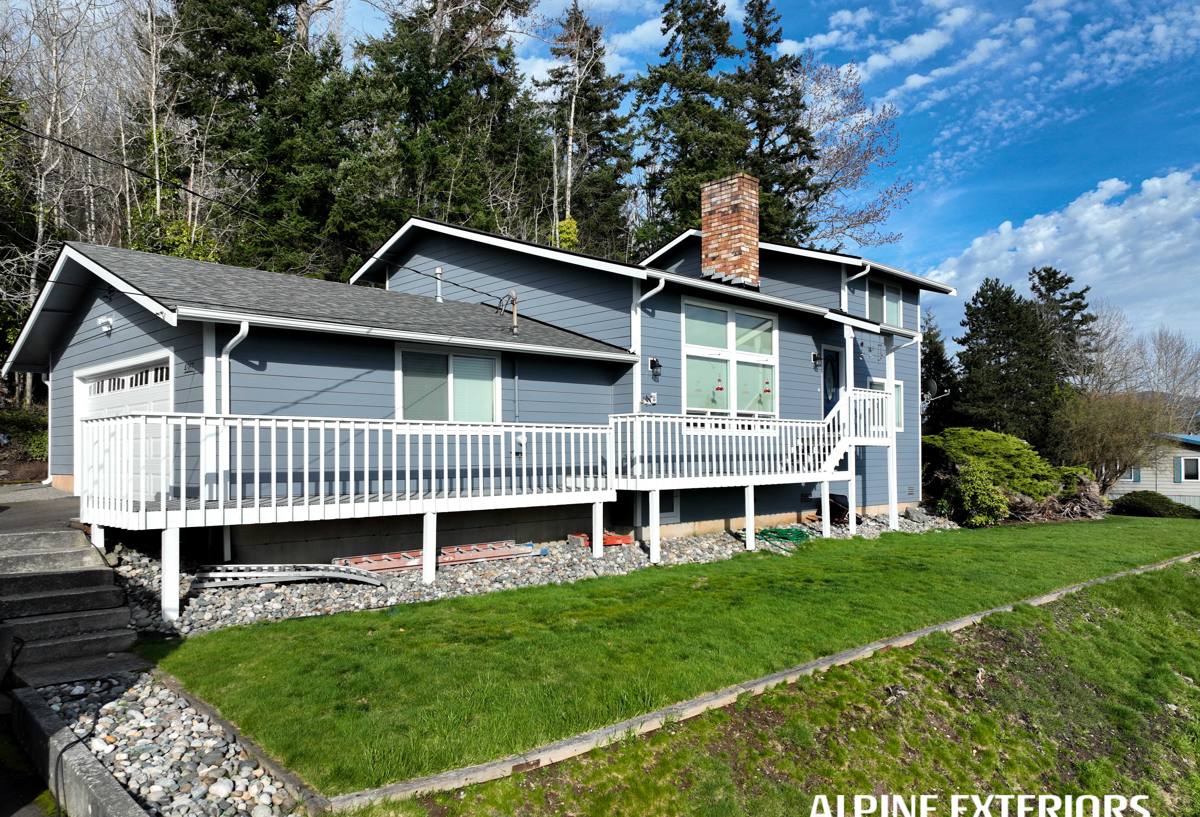
What a Correct New Roof Installation Actually Involves
"New roof" sounds simple, but the difference between a roof that holds up through a decade of Gulf Coast storms and one that starts failing in year six almost always comes down to what happens underneath the visible surface. A correct installation is a system, not a single layer of material.
The System, Not Just the Shingles or Panels
- Deck inspection and repair — every sheet of decking gets checked for soft spots, delamination, or nail pops before anything new goes down. Covering a bad deck is one of the most common shortcuts we see, and it's the one that causes the most expensive problems later.
- Underlayment — a synthetic or self-adhering underlayment rated for wind-driven rain, since a storm here rarely drops rain straight down.
- Flashing — new flashing at every valley, wall intersection, chimney, and penetration. Reusing old flashing to save time is a shortcut that shows up as a leak within a year or two.
- Fastening pattern — nail or screw patterns that meet current Florida wind-uplift requirements, not the lighter pattern that may have been code decades ago.
- Ventilation — intake and exhaust that actually balance, so heat and moisture don't get trapped in the attic and cook the underside of the new roof from below.
- Sealed penetrations — every pipe boot, vent stack, and fixture properly flashed and sealed, since these small points are where most leaks start.
Skip any one of these and the roof may look fine from the street for a while — but it won't perform the way it's supposed to when a real storm hits.
Signs a Repair Won't Cut It Anymore
Not every roof problem means a full replacement, but there's a point where patching stops making financial sense. Some signs that it's time to talk about a new installation rather than another repair:
- Shingles that are curling, cracking, or losing granules across large sections rather than one isolated spot
- Multiple leaks in different areas, especially after wind-driven rain events
- Visible sagging anywhere on the roofline
- A roof that's already had two or more major repairs in the last few years
- Metal panels with rust starting at fastener points or seams
- A roof nearing or past the manufacturer's rated lifespan, especially with the sun exposure Samoset gets
If you're not sure which category your roof falls into, an honest inspection is the place to start — not a sales pitch, just a straight answer about whether repair or replacement makes sense.
Choosing a Roofing System for This Climate
There's no single "best" roofing material for every house — it depends on your budget, your roofline, and how long you plan to stay in the home. Here's how the common options stack up for a coastal Manatee County property:
| Material | Typical Lifespan Here | Wind & Storm Performance | Maintenance |
|---|---|---|---|
| Architectural asphalt shingles | 15–25 years | Good, when rated and installed for high-wind zones | Low; periodic inspection |
| Standing seam metal | 30–50 years | Excellent uplift resistance; sheds wind-driven rain well | Low; watch fastener points near salt air |
| Tile (concrete or clay) | 30–50 years | Very good if fastened to current code; heavy, needs structure to match | Moderate; occasional tile replacement |
| Flat/low-slope membrane (TPO, modified bitumen) | 15–25 years | Good when seams and edges are detailed correctly | Moderate; periodic seam and edge checks |
We'll walk through which of these fits your home, your roofline, and your budget honestly — including the maintenance trade-offs, not just the upfront cost.
A Note on Product Choices
Every roofing product on the market has trade-offs. Lower-cost shingle lines can be a reasonable fit for a budget-conscious homeowner, but they typically carry lighter wind ratings and shorter algae-resistance warranties, which matters in Florida's humidity. We'll tell you plainly where a cheaper product is a fair trade-off and where it isn't worth the risk on a home exposed to Gulf Coast storms — that's a judgment call we make based on your specific roof, not a script.
Our New Roof Installation Process
- On-site assessment — we inspect the existing roof, deck condition, ventilation, and roofline complexity, and take accurate measurements.
- Material and system recommendation — we walk you through 2–3 realistic options with honest pros, cons, and pricing, no pressure toward the most expensive one.
- Permitting — we pull the required Manatee County/City of Bradenton permits and handle the paperwork so you don't have to chase it.
- Tear-off and deck repair — full removal of the old roofing, with any compromised decking replaced before new material goes down.
- Underlayment and flashing — installed to current wind and moisture standards, not the standard the old roof was built to.
- Installation — shingles, metal, or tile installed to manufacturer specs and Florida Building Code fastening requirements.
- Final inspection — a walk-through with you, plus the county inspection where required, before we consider the job finished.
- Cleanup — magnetic sweep for nails and full site cleanup before we leave.
Permits, Wind Ratings, and What Manatee County Requires
New roof installations in Bradenton and unincorporated Manatee County require a permit, and the work has to meet current Florida Building Code wind-uplift and fastening standards — the same code developed after decades of hurricane experience in this state. This isn't paperwork for its own sake: it directly affects whether your roof performs when a storm comes through, and it can affect your homeowner's insurance premium and eligibility for wind-mitigation credits. Skipping or shortcutting the permit process is one of the fastest ways to end up with a claim denial or an insurance headache down the road. We handle the permitting and inspection scheduling as part of the job, not as an add-on.
What to Check Before Hiring Anyone for a New Roof
Roof replacement is a big-ticket job, and it draws its share of storm-chasing crews after major weather events. A few things worth confirming before you sign anything:
- Current Florida roofing license, verifiable through the state license lookup
- General liability and workers' compensation insurance — ask for the certificate directly
- A written estimate detailing materials, underlayment type, and fastening method — not just a total price
- Confirmation that the company pulls its own permits rather than asking you to
- A local address or established presence in the Bradenton/Manatee County area, not just a phone number
- A manufacturer warranty that's actually registered in your name after the job is complete
Any legitimate local roofer should be able to answer every one of these without hesitation.
Why Local Samoset Experience Matters
A roofing crew that already works in Samoset and the surrounding Bradenton neighborhoods brings something a traveling or out-of-area crew can't: familiarity with the actual conditions your roof will face. We know how the salt air off the bay accelerates corrosion on exposed fasteners, how the summer heat here affects shingle expansion and adhesive seal, and which older roofs in this area were built to lighter wind standards that are now outdated. That local knowledge shows up in small decisions throughout the job — the flashing detail at a valley, the fastener spacing near a roof edge, the underlayment choice for a low-slope section — decisions that matter more here than they would in a milder climate.
We're also still local after the job is done. If a question comes up during the next storm season, you're calling a company that's down the road, not a crew that moved on to the next county.
Cost Factors to Expect
| Factor | How It Affects Cost |
|---|---|
| Roof size and pitch | Larger and steeper roofs take more material and labor time |
| Material choice | Asphalt shingles are typically the most budget-friendly; metal and tile cost more upfront but last longer |
| Deck condition | Rotted or damaged decking adds repair cost discovered during tear-off |
| Roof complexity | Valleys, dormers, and multiple roof planes increase flashing and labor time |
| Ventilation upgrades | Adding or correcting attic ventilation adds modest cost but pays off in roof lifespan |
| Permit and inspection fees | Set by the county, factored into the overall project cost |
We won't give you a number over the phone without seeing the roof — anyone who does is guessing, and that guess usually changes once the tear-off exposes what's actually underneath.
Get a Straight Answer About Your Roof
If your Samoset home needs a new roof, or you're not sure yet whether it does, we're happy to take a look and give you an honest read — no pressure, no inflated urgency. Reach out for a free estimate using the form below, and we'll walk you through exactly what your roof needs and what it will take to get it done right.