 Bradenton Siding
 Siding Repair for Ellenton Homes
Ellenton sits on the north bank of the Manatee River in Manatee County, close enough to Tampa Bay and the Gulf of Mexico that its homes take on the same coastal weather pattern that shapes exterior work across this whole stretch of Florida's west coast. Hurricane-force wind during storm season, intense UV exposure nearly year-round, wind-driven rain that gets pushed sideways into walls instead of falling straight down, and salt-laden air carried in off the water all leave their mark on siding over time. None of it happens all at once — it accumulates quietly at seams, corners, and fastener points until a homeowner notices a soft spot, a crack, or a section that's started to pull away from the wall. This page covers what siding repair actually involves for an Ellenton home, what separates a repair that holds up from one that fails again within a year or two, and why the details matter as much as the material itself.
We install and repair James Hardie fiber cement siding exclusively. Done right, a Hardie repair should be hard to spot once it's finished — that's the standard we hold every repair job to, and it's the reason we don't cut corners on matching, flashing, or fastening just to get a job done faster.
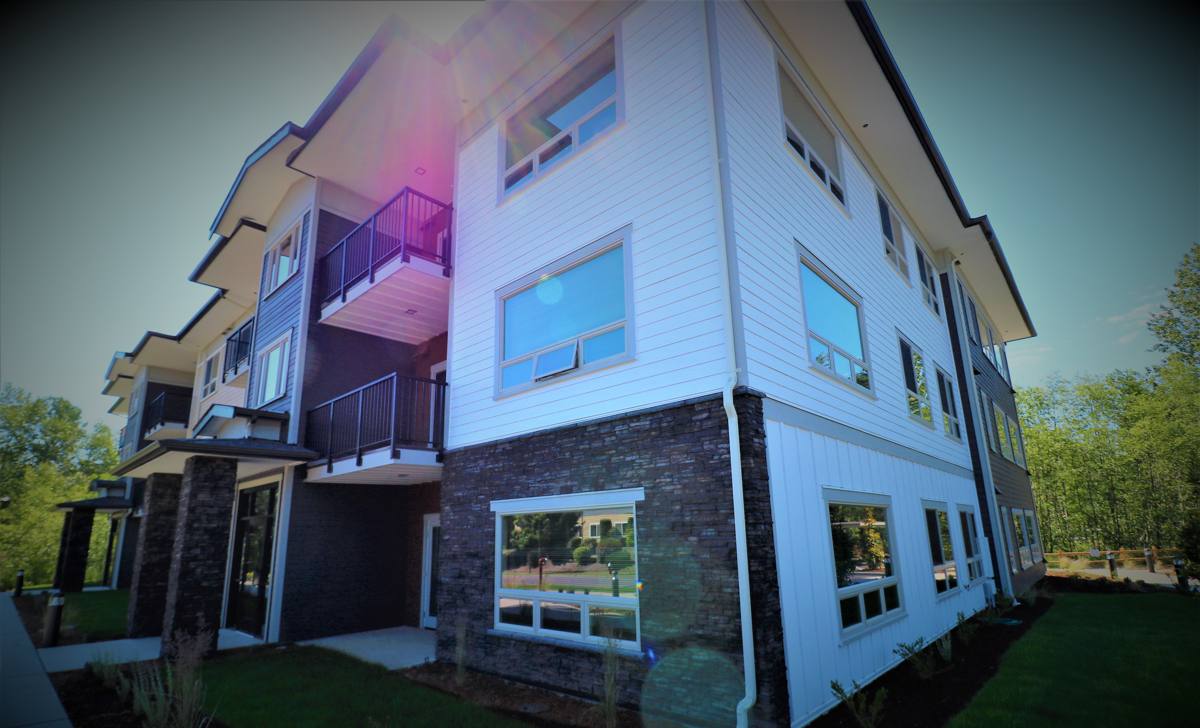
What Ellenton's Climate Does to Siding Over Time
Hurricane-Force Wind
Wind is the most direct threat to siding in this part of Manatee County. Sustained wind and gusts during tropical systems can lift panel edges that weren't fastened to spec, drive debris into walls, and stress seams and corner trim in ways calmer inland climates never see. Damage from a wind event doesn't always show up as an obvious hole — sometimes it's a panel that's been racked loose at the nailing line and now flexes in every storm after, working itself looser each time.
Intense, Nearly Year-Round UV
Florida's UV load is among the highest in the country, and Ellenton gets very little seasonal relief from it. Sun exposure breaks down unstabilized paint and lower-grade siding finishes over time, leading to fading, chalking, and eventually cracking as the material dries out and loses flexibility. South- and west-facing walls typically show this wear first, and it's often the earliest visible sign that a section of siding is nearing the end of its service life even if it looks structurally fine from a distance.
Wind-Driven Rain
Rain in this region rarely falls straight down during a storm — it gets pushed sideways into walls, seams, and trim. Siding and flashing that aren't detailed to shed water moving horizontally, not just vertically, let moisture track behind the surface at laps, corners, and anywhere a joint wasn't sealed correctly the first time. That trapped moisture is what turns a small, visible repair into a much bigger hidden rot problem if it isn't caught early.
Salt Air
Even set back from the immediate coastline, Ellenton sits close enough to Tampa Bay and the Gulf that salt-laden air reaches the area regularly, especially when onshore winds pick up. Salt accelerates corrosion in exposed fasteners and metal flashing and settles into surfaces over time. A fastener that's begun corroding loses holding strength well before it looks obviously bad, which is one reason a repair that just patches the visible damage without checking fastener condition underneath doesn't actually solve the problem.
Common Siding Repair Issues We See in Ellenton
Most repair calls in this area fall into a handful of recurring categories:
- Storm impact damage — cracked or punctured panels from wind-blown debris during tropical systems
- Nail pops and loosened fastening — panels that have worked loose from wind flex and no longer sit flush against the wall
- Seam and joint failure — laps or butt joints that were caulked instead of properly flashed, now letting wind-driven rain track behind the siding
- Sun-faded or chalking sections — usually on south- or west-facing walls, where the finish has broken down faster than the rest of the house
- Soft or damaged trim — around windows, doors, and corners, where water intrusion tends to show up first
- Mismatched patches from prior repairs — visible seams or color differences left by an earlier repair that wasn't matched correctly
Repair or Replace? How to Tell Which You're Looking At
Not every siding problem on an Ellenton home calls for a full re-side, but not every problem is a simple patch either. A single storm-damaged panel, an isolated trim failure, or a section that's taken impact can usually be repaired and matched into existing Hardie siding without much disruption. The calculation changes when the damage is a symptom of something bigger: if water has clearly been tracking behind the wall for a while, if multiple sections show the same failure pattern, or if the home still has an older, non-Hardie product that's simply reached the end of its useful life, a patch repair usually just delays a larger job while whatever's happening underneath keeps spreading. Part of a proper repair visit is telling a homeowner honestly which situation they're actually looking at, rather than defaulting to whichever answer is easier to sell.
What a Correct Siding Repair Actually Involves
A repair that's done right goes well beyond swapping a damaged board for a new one. It includes:
- Removing enough surrounding material to inspect the house wrap, sheathing, and framing behind the damaged section for hidden moisture or rot
- Confirming the cause of the original damage — wind, impact, moisture, or a fastening defect — so the repair doesn't just fail again the same way
- Sourcing a matching Hardie product, profile, and ColorPlus finish so the repaired section blends into the surrounding wall
- Re-flashing and properly lapping joints rather than relying on caulk to bridge a gap
- Fastening to Hardie's published spec for wind exposure, not just tacking the new piece into place
- Checking that grade clearance and drainage around the repair haven't contributed to the original failure
Skipping any of these steps is how a repair ends up looking fine for a season or two and then failing again — often at the same spot, for the same underlying reason nobody addressed the first time.
Our Repair Process
We start with an on-site inspection, not a phone estimate, because siding damage that looks minor from the driveway can mean something different once we get a panel off the wall. From there:
- We walk the affected area and identify every section showing damage, not just the one that prompted the call
- We remove damaged material and inspect the wall assembly underneath for moisture or rot before doing any repair work
- We give a straight answer on repair versus replacement, with reasoning, not a sales pitch toward whichever job is bigger
- We source Hardie product that matches the existing siding's profile, exposure, and ColorPlus color as closely as possible
- We install the repair to the same fastening and flashing standard we'd use on a full re-side
- We clean up the site and walk the finished repair with the homeowner before we consider the job done
Why James Hardie Makes Repairs More Durable — and More Straightforward
Repairing into a fiber cement wall is more predictable than repairing into some of the alternative products still found on older Ellenton homes. Hardie's ColorPlus factory finish is manufactured to a consistent standard, which makes color-matching a repair section far more reliable than trying to match field-painted or weathered engineered wood. Hardie also builds climate-specific HZ formulations engineered for regions with sustained heat, humidity, and storm exposure — a real match for a property this close to Tampa Bay. And because fiber cement doesn't swell, cup, or warp the way wood-based siding can after repeated wet-season cycles, a correctly installed Hardie repair tends to hold its seal and its color for years rather than needing a follow-up patch.
We don't install or repair-match into LP SmartSide, vinyl siding, Cemplank, Allura, primed spruce, or cedar. When we're called to look at damage on a home with one of those products, we'll say so plainly and explain the options — sometimes that means a targeted repair in the existing material, and sometimes it means the honest recommendation is a phased transition to Hardie as sections need work anyway. Either way, our own installation and repair work centers on the one system we trust completely.
What Drives Siding Repair Cost in Ellenton
| Factor | Why It Matters |
|---|---|
| Extent of damage | A single panel is a different job than damage spread across multiple walls or several storm-affected sections |
| Hidden moisture or rot | If sheathing or framing behind the siding needs repair, that work adds time and cost beyond the visible patch |
| Color and profile matching | Sourcing the correct Hardie ColorPlus color and matching an older or discontinued profile can take more effort than a straightforward swap |
| Accessibility | Second-story sections, areas near landscaping, or tight side-yards can add labor time |
| Trim and flashing scope | Repairs that involve window or door trim, not just field siding, typically involve more detail work |
Exact costs depend on the specific property and what we find once we're on site, which is why we give a real number after inspecting the damage rather than quoting off a generic price list.
Signs Your Ellenton Home Needs a Siding Repair Inspection
- Cracked, punctured, or missing sections of siding after a storm
- Panels that flex, rattle, or appear loose at the nailing line
- Visible staining, streaking, or soft spots near seams and corners
- Chalking or noticeable fading concentrated on south- or west-facing walls
- Gaps opening up at trim around windows and doors
- A musty smell or interior wall staining that might trace back to an exterior leak
Why a Local Ellenton Crew Matters
A crew that works this part of Manatee County regularly knows how hurricane wind, sun exposure, and salt air actually behave on real homes here over a full year, not just how a product performs on a spec sheet. That experience shapes practical decisions on a repair job: which wall orientations take the worst UV damage, where wind-driven rain tends to find its way behind a seam, and which fastening details are worth the extra time so a homeowner isn't calling back after the next named storm. Ellenton's position on the Manatee River, inland of the barrier islands but still well within hurricane wind and rain exposure, means its repair needs don't always match what a crew used to working further up the coast or further inland would expect — and that difference is worth taking seriously rather than treating every repair the same way.
If your Ellenton home has storm damage, a section of siding that's started to fail, or you just want an honest opinion on whether you're looking at a repair or something bigger, we're glad to take a look. Reach out using the form below to schedule a free, no-pressure estimate.