 Bradenton Siding
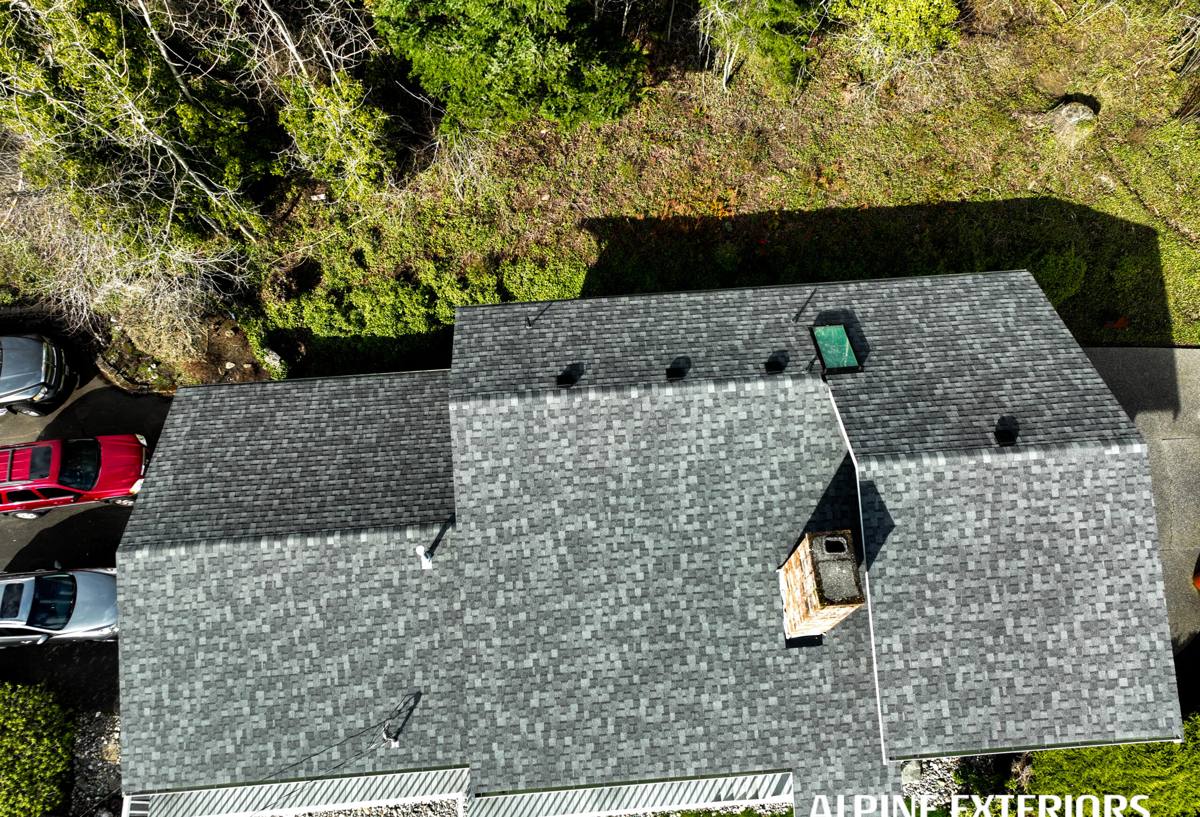
 Asphalt Shingle Roofing for Southgate Homes
Southgate is one of Bradenton's older, established neighborhoods — mature tree canopy, a mix of ranch-style and mid-century homes, and roofs that have been through more hurricane seasons than most homeowners realize. When a roof in this part of Manatee County needs attention, it's rarely just cosmetic. Sun-bleached, curling, or granule-shedding shingles are usually a sign that the roofing system underneath has been quietly working overtime for years.
We install and repair asphalt shingle roofs throughout Southgate and the surrounding Bradenton area, and we build every system around what actually wears a roof out here: intense year-round UV, wind-driven rain off the Gulf, salt-laden air, and the occasional hurricane-force gust that finds every weak spot in a roof deck or fastening pattern. Asphalt shingles remain one of the most cost-effective, proven roofing materials available — but only when the product, the installation details, and the ventilation are matched to this climate.
Why Southgate's Climate Is Hard on Shingle Roofs
Every material ages differently depending on where it sits. In Southgate, four conditions do most of the damage:
UV Exposure
Florida sun is relentless. UV breaks down the asphalt in shingles over time, drying out the oils that keep them flexible. That's what causes the granule loss, curling edges, and brittleness you see on older roofs — and once shingles get brittle, they lose their ability to seal properly against wind.
Wind-Driven Rain
It's rarely rain falling straight down that causes leaks here — it's rain being pushed sideways and upward under shingle edges during a storm. A roof that looks fine in normal weather can still leak badly during a tropical system if the underlayment, flashing, and shingle nailing pattern weren't done to spec.
Salt Air
Bradenton's proximity to the Gulf and Tampa Bay means salt is present in the air even well inland. Salt accelerates corrosion on exposed metal — nails, flashing, vent caps, and drip edge — which is why fastener and flashing material choice matters as much as the shingle brand.
Hurricane-Force Wind
Manatee County building code requires roofing systems rated for high wind uplift, and for good reason. A shingle roof is only as strong as its weakest component: the nailing pattern, the number of fasteners per shingle, the starter strip, and the sealant strip all have to work together. Skip one of those and the whole system is vulnerable in a storm, no matter how good the shingle itself is.
What a Correctly Installed Shingle Roof Actually Involves
A shingle roof is a system, not a single product. Homeowners often assume the shingle brand is what determines roof life, but in our experience the details underneath matter just as much:
- Roof deck inspection and repair — rotted or delaminated decking gets replaced before anything goes back on, not covered up.
- Underlayment — a synthetic or self-adhering underlayment rated for wind-driven rain, installed with proper overlap.
- Starter strip — factory starter shingles at eaves and rakes, not cut field shingles, so the first row seals correctly and resists wind lift.
- Nailing pattern — the correct number and placement of fasteners per shingle for Manatee County's wind zone, not the minimum spec.
- Flashing — corrosion-resistant flashing at valleys, walls, chimneys, and any roof penetration, sealed to shed water in every direction wind can push it.
- Ventilation — balanced intake and exhaust airflow so the attic doesn't cook the underside of the shingles or trap moisture.
Miss any one of these and the roof may look fine for a year or two before problems show up — usually right when a storm tests it.
Ventilation: The Part Most Roofs in Southgate Get Wrong
An asphalt shingle roof with poor attic ventilation ages faster from the inside out. Heat builds up under the shingles, which accelerates the breakdown of the asphalt, and trapped moisture from humid Gulf air can lead to deck rot and mold that you won't see until it's a bigger repair. On many older Southgate homes, the original ventilation was designed for a different roofing system or simply never sized correctly for the home's attic volume.
When we replace a roof, we evaluate intake and exhaust ventilation as part of the job — not as an upsell, but because a shingle warranty is often void or reduced if the manufacturer's ventilation requirements aren't met. It's one of the most common reasons a shingle roof underperforms its expected lifespan in this climate.
Repair, Recover, or Replace?
Not every roof issue means a full replacement. We assess the roof honestly and give you the real options:
| Situation | Likely Approach | What to Expect |
|---|---|---|
| Isolated storm damage, deck is sound | Repair | Targeted shingle and flashing replacement in the affected area |
| Roof under 10-12 years old, minor wear | Repair or partial replacement | Address the specific problem; monitor the rest |
| Widespread granule loss, curling, brittle shingles | Full replacement | New underlayment, flashing, and shingle system rated for wind zone |
| Soft spots, visible deck sag, interior water stains | Full replacement with deck repair | Compromised decking replaced before new roofing goes on |
| Roof near or past manufacturer's expected service life | Full replacement | Opportunity to upgrade underlayment and ventilation to current standards |
We'll tell you when a repair is the honest answer, even if it's the smaller job. A roof that's still structurally sound doesn't need to be torn off just because it's aging.
Our Process for Southgate Roofing Projects
- On-site inspection — we look at the shingles, flashing, deck condition (where visible), and attic ventilation, and walk you through what we find.
- Written estimate — clear scope of work, materials, and pricing, no vague line items.
- Permitting — roofing work in Manatee County requires a permit; we handle that so the job is inspected and documented correctly.
- Tear-off and deck check — old roofing removed, deck inspected and repaired as needed before anything new goes down.
- Installation — underlayment, starter strip, shingles, and flashing installed to the wind-rated specification for your home, with the fastening pattern the shingle manufacturer and county code require.
- Final walkthrough — we go over the finished roof with you and make sure everything matches what was scoped.
Why a Crew That Already Works Southgate Matters
Roofing crews unfamiliar with the area sometimes treat Manatee County's wind-rating requirements as boilerplate rather than a real structural necessity. We work in this climate every day, which means we're not guessing at what holds up here — we're applying what we've already seen work and fail on roofs just like the ones in Southgate. That includes knowing which flashing details actually resist wind-driven rain, how much ventilation an older Bradenton attic typically needs, and how to sequence a tear-off around Florida's afternoon storm patterns so your home isn't left exposed.
Local, licensed, and insured also means accountability. If a warranty question or a storm-damage claim comes up two years down the road, you're not trying to track down a crew that only passed through the area once.
Practical Checklist Before You Choose a Roofer
- Are they licensed and insured to work in Florida, and will they show you proof without being asked twice?
- Does the estimate specify underlayment type, nailing pattern, and flashing materials — not just "shingle roof, X square feet"?
- Will they pull the required Manatee County permit, or is that left to you?
- Do they address attic ventilation as part of the scope, or only the visible shingles?
- Can they explain, in plain terms, why they'd repair versus replace your specific roof?
Materials and Manufacturer Standards
We install shingle systems built to hold up under Florida's wind and moisture demands — matching the shingle, underlayment, and accessory components to work together as a rated system rather than mixing parts that happen to look similar. Cutting corners on any single component (a lower-grade underlayment, undersized starter strip, or mismatched flashing) is often where manufacturer warranties get voided and where roofs underperform their rated wind resistance. Our standard is to install every layer to the manufacturer's published specification, because that's what actually protects the warranty and the home.
If your Southgate home's roof is showing its age, took a hit in the last storm season, or you're just planning ahead, we're glad to take a look. Use the form below to request a free, no-pressure estimate — we'll give you an honest read on where your roof stands and what it would take to get it right.