 Bradenton Siding
 Storm Damage Roof Repair Built for Tara's Climate
Tara is one of Bradenton's established golf course communities, and like every neighborhood in Manatee County, its roofs take a beating that homeowners further inland simply don't deal with. Between tropical systems moving off the Gulf, sudden summer thunderstorms, and the year-round grind of intense Florida sun, a roof here ages differently than the same roof would in most of the country. Storm damage repair in Tara isn't just about patching what's obviously broken after a bad storm — it's about understanding how this specific climate stresses a roof over time, and repairing it in a way that holds up to the next round.
We work on roofs throughout Bradenton and Manatee County, and Tara's mix of mature tree canopy, mid-size single-family homes, and tile and shingle roofing gives us a good read on what tends to fail here, why, and what an honest repair looks like.
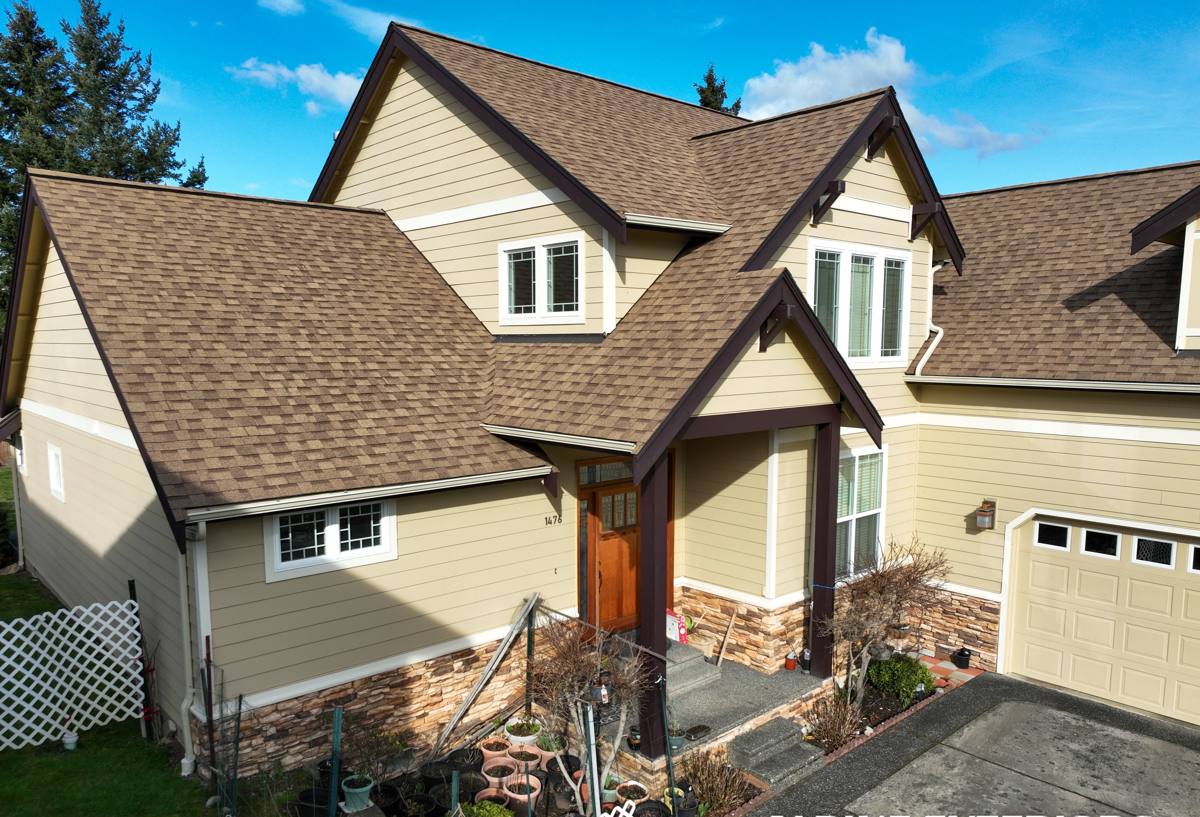
What Hurricane Season and Coastal Weather Do to a Tara Roof
Bradenton sits close enough to the Gulf that homes in Tara feel the effects of coastal weather even though the neighborhood itself isn't beachfront. A few climate factors combine to shorten roof life and create the conditions for storm damage:
- Hurricane-force and tropical storm winds — even a storm that doesn't make a direct hit can send sustained gusts through the area strong enough to lift shingle tabs, crack tile, or peel back flashing at ridges and edges.
- Wind-driven rain — Florida storms rarely fall straight down. When rain is pushed sideways under wind pressure, it finds gaps at flashing, vents, and fastener points that would never leak in a calm rain.
- Intense, near-constant UV exposure — Bradenton gets strong sun for most of the year, which breaks down asphalt shingle granules and dries out sealants faster than in cooler climates, leaving materials brittle right when a storm hits.
- Salt air — even set back from the water, Manatee County homes get some level of salt exposure in the air, which speeds corrosion on exposed metal fasteners, flashing, and vents.
- Afternoon thunderstorms — the daily summer storm pattern means small amounts of existing damage get tested by heavy rain constantly, not just once or twice a year.
None of these factors act alone. A roof that's already UV-brittle from years of sun goes into hurricane season with less flexibility to handle wind uplift, and once a small gap opens, wind-driven rain finds it fast. That's why storm damage in Tara often looks worse, or spreads faster, than the same event would cause on a newer or better-maintained roof.
Common Storm Damage We Find on Tara Roofs
Wind and Uplift Damage
Shingles are designed to resist a certain wind speed, but repeated gusts and turbulence around rooflines, gables, and dormers can work tabs loose over multiple storms, not just one. On tile roofs, cracked or displaced tiles are common where wind gets underneath an edge that's lost its seal or fastening.
Wind-Driven Rain Intrusion
This is the damage homeowners often don't see until there's a stain on a ceiling or ductwork gets wet in the attic. Water pushed sideways under wind pressure can travel along the underlayment or decking before it ever shows up as a visible leak, which means the entry point and the leak point are frequently not in the same spot.
Flashing and Penetration Failures
Flashing around chimneys, skylights, plumbing vents, and roof-to-wall transitions is one of the first things to fail in a wind event, since it relies on sealant and mechanical fastening rather than the shingle or tile system itself. Once flashing lifts or a sealant joint cracks, it's an open invitation for water on the next storm.
Granule Loss and Impact Bruising
Hail isn't as frequent here as in some parts of the country, but wind-blown debris — branches, palm fronds, loose gravel from neighboring properties — can strip granules or bruise shingles during a storm. Granule loss doesn't leak immediately, but it accelerates UV damage to the asphalt underneath, shortening the life of the whole roof.
Fastener and Metal Corrosion
Salt-influenced air combined with humidity speeds up rust on exposed nail heads, vent stacks, and metal flashing. Corroded fasteners lose their grip strength, which is exactly what lets wind get a foothold during the next storm.
What a Correct Storm Damage Repair Actually Involves
A lot of storm repair work in Florida is done fast and cheap after a big weather event, which is understandable when a homeowner has an active leak, but it often means the underlying cause never gets addressed. A correct repair does a few things every time:
- Finds the real entry point, not just the visible symptom — tracing water damage back along decking and underlayment rather than resealing wherever the stain shows up inside.
- Checks the surrounding material, not just the damaged section — wind and UV stress rarely affect just one shingle or tile; neighboring material is usually compromised too even if it hasn't failed yet.
- Replaces flashing and underlayment where it's been compromised, rather than just resealing over cracked or lifted material with caulk.
- Matches materials appropriately so the repair doesn't stand out or create a weak seam next to older, sun-weathered roofing.
- Confirms fastening and sealing meet current wind-resistance practice, since older repairs done to older code minimums may not hold up as well in the next event.
Skipping any of these steps is how a homeowner ends up paying for the "same" repair two or three storm seasons in a row.
Our Process for Storm Damage Repair in Tara
1. Inspection and Documentation
We start with a full roof inspection, not just a look at the damage you called about. That means checking the attic for water tracking, examining flashing and penetrations, and photographing anything relevant for insurance purposes before any work begins.
2. Honest Scope of Work
We tell you plainly whether you're looking at a targeted repair or whether the damage points to a bigger underlying issue — age, prior poor installation, or accumulated storm stress. We're not going to talk you into a full replacement you don't need, and we're not going to patch over something that needs more than a patch.
3. Repair
Work is done to match your existing roofing system as closely as possible, with attention to proper fastening, flashing, and sealing for our wind and rain conditions — not just whatever gets water off the roof today.
4. Final Walkthrough
We walk the completed work with you, explain what was done and why, and make sure you have documentation if you need it for insurance or for your own records going into the next storm season.
Repair vs. Replacement: How to Think About It
Storm damage doesn't always mean a full new roof, but sometimes it's the tipping point on a roof that was already near the end of its useful life. Here's a general framework for how the decision usually breaks down:
| Factor | Leans Toward Repair | Leans Toward Replacement |
|---|---|---|
| Roof age | Under 12-15 years | Past its expected service life |
| Extent of damage | Isolated to one section or slope | Spread across multiple areas |
| Prior repair history | First significant issue | Several past patches or repairs |
| Underlayment/decking condition | Dry, intact beneath the damage | Soft decking or saturated underlayment found |
| Granule loss / UV wear | Minimal, localized | Widespread thinning across the roof |
This is a starting point, not a diagnosis — the only way to know for sure is a hands-on inspection. But it gives you a realistic idea of what questions matter before you commit to either direction.
Working with Insurance After a Storm
Most Tara homeowners dealing with storm damage are working through a homeowner's insurance claim at the same time. A few things make that process smoother:
- Get damage documented and photographed as soon as it's safe to do so, ideally before any temporary repairs change the site.
- Keep any tarps or emergency measures minimal and clearly temporary — insurers want to see the original damage, not just the aftermath of a patch job.
- Have a written scope of work and photo documentation from a contractor who inspected the roof directly, not just an estimate based on a phone call.
- Understand that adjusters look for storm-specific damage patterns (creased shingles, displaced tile, fresh flashing separation) versus general wear — a good inspection distinguishes between the two honestly.
We provide the documentation homeowners need to support a claim, but we don't inflate scope or invent damage to pad a claim — that approach causes problems with adjusters and can jeopardize the whole claim, which isn't worth it for anyone.
Why It Matters to Hire a Crew That Already Works in Tara
Roofing crews that work across a wide territory tend to treat every job the same way, regardless of local conditions. A crew that already works regularly in Tara and the surrounding Bradenton area brings a few practical advantages:
- Familiarity with the housing stock — the roofing systems, ages, and common construction details found in this part of Manatee County, so there's less guesswork on-site.
- Faster response after a regional storm event — when a storm hits the whole area at once, being local means less time lost to travel and scheduling across a wide service radius.
- Knowledge of what actually fails here — flashing details, ventilation setups, and material choices that hold up against Gulf Coast wind and sun, versus generic advice that doesn't account for our climate.
- Accountability — a local crew has a reputation in the community to maintain, which matters more than a one-time storm-chasing outfit that's gone by next season.
After a major storm, Florida sees an influx of out-of-town roofing crews looking for quick work. Some are legitimate, but plenty leave homeowners with rushed repairs and no one to call when a problem shows up eight months later. Sticking with a contractor who has an ongoing presence in this area gives you someone to hold accountable if something isn't right.
A Practical Checklist Before You Call for a Storm Repair
- Note the date and type of storm event that caused or preceded the damage.
- Take photos from the ground of anything visible — missing shingles, displaced tile, damaged gutters — without getting on the roof yourself.
- Check the attic (if accessible) for water stains, damp insulation, or daylight coming through the decking.
- Write down any interior signs — ceiling stains, musty odors, or soft spots in flooring below the attic.
- Avoid extensive DIY tarping beyond what's needed to stop active water intrusion; over-covering can obscure the damage pattern insurers and inspectors need to see.
- Get a full roof inspection rather than a quote based on photos alone — storm damage is frequently more, or less, extensive than it looks from the ground.
Maintaining Your Roof Between Storms
Since Tara sees some form of storm activity almost every year, a little routine attention goes a long way toward reducing repair frequency and severity:
- Have flashing and sealant points checked annually, since these fail well before the shingles or tile themselves.
- Trim back tree limbs that overhang the roof to reduce debris impact and abrasion during high winds.
- Keep gutters and downspouts clear so wind-driven rain has somewhere to go instead of backing up under the roof edge.
- Address minor granule loss or small cracked tiles promptly, before UV exposure and the next storm turn a small issue into a bigger one.
If your Tara home has recent storm damage, or you're not sure whether what you're seeing is cosmetic or something that needs attention now, we're glad to take a look. We offer free, no-pressure estimates and straight answers about what your roof actually needs — just fill out the form below to get started.