 Bradenton Siding
 Storm Damage Roof Repair for Whitfield Estates Homes
Whitfield Estates sits close enough to open water that its homes take a different kind of weather beating than roofs a few miles inland. Between the salt air drifting off the bay, the wind that funnels through the neighborhood during storms, and the sun that bakes shingles and tile nearly every day of the year, roofs here age on their own schedule. When a storm passes through and leaves lifted shingles, cracked tile, torn flashing, or a soft spot on the decking, waiting to deal with it almost always costs more than fixing it promptly.
We're a Bradenton-based siding and exterior crew that also handles storm damage roof repair, and Whitfield Estates is inside our regular service area — not a neighborhood we drive into once and never see again. That matters more than most homeowners realize, and we'll explain why below.
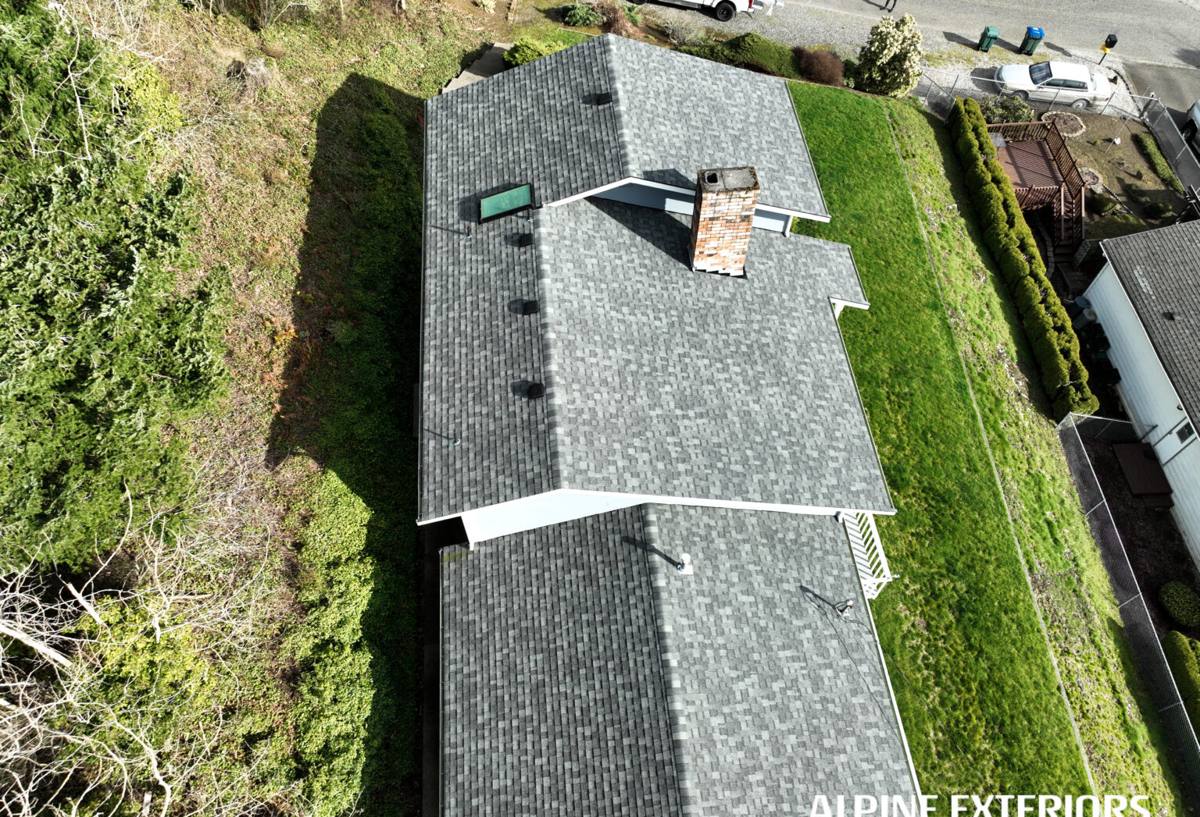
Why This Neighborhood's Roofs Take a Different Kind of Beating
Wind-Driven Rain and Gusts
Manatee County sits squarely in the path of tropical systems and the seasonal thunderstorms that roll through every summer. It's rarely a single strong gust that causes the damage — it's wind that shifts direction repeatedly during a storm, working shingle edges and tile fasteners loose from more than one angle. Once a fastener or seal starts to give, wind-driven rain finds the gap and pushes water where it doesn't belong, often well past the point of visible damage.
Salt Air and Corrosion
Homes closer to the water deal with airborne salt settling on metal flashing, nail heads, vent boots, and fasteners. Salt accelerates corrosion on anything metal, which is why flashing and fastener failures tend to show up here sooner than they would on a roof twenty miles inland. A roof that looks fine from the ground can have flashing seams or nail heads that have already started to corrode underneath.
Year-Round UV Exposure
Florida sun is hard on roofing materials in every season, not just summer. UV breaks down asphalt shingle granules and dries out sealants over time, which means a roof already carrying UV wear has less flexibility left to absorb storm stress. A roof that's been baking for years and then takes a hard wind event is more likely to show damage than a newer one.
What Storm Damage Actually Looks Like
Storm damage isn't always the dramatic kind — a tarp-worthy hole or a pile of shingles in the yard. Most of what we find during post-storm inspections in this area is quieter and easier to miss:
- Shingles that are lifted, creased, or missing granules along the edges and ridge lines
- Cracked, slipped, or displaced tiles, especially near ridges and valleys
- Flashing pulled loose or bent around chimneys, vents, and roof-to-wall transitions
- Torn or lifted vent boots that let water track down into the attic
- Soft or spongy decking felt underfoot, a sign water has already gotten under the roof covering
- Granule buildup in gutters, which signals accelerated wear from wind abrasion
- Water stains on interior ceilings that show up days or even weeks after the actual storm
That delay between the storm and the visible damage is exactly why we recommend an inspection after any significant wind or hail event, even if nothing looks obviously wrong from the driveway.
What a Correct Storm Damage Repair Involves
Inspection Before Anything Else
We start on the roof, not just from the ground with binoculars. That means checking the field of the roof, the ridges, valleys, penetrations, and flashing details, plus a look in the attic where accessible for water tracking, staining, or daylight coming through the decking. A repair estimate written without actually getting on the roof is a guess, and guesses lead to callbacks.
Matching the Repair to the Damage, Not Overselling
Not every storm-damaged roof needs full replacement. If the decking is sound and the damage is isolated to a section of shingles, flashing, or a handful of tiles, a targeted repair is the honest recommendation. We'll tell you plainly when a repair makes sense versus when the damage — or the roof's overall condition — points toward replacement instead.
Getting the Details Right
Most roof leaks after a storm don't come from the field of the roof — they come from flashing, valleys, and penetrations that weren't reset correctly the first time, or that were patched instead of properly repaired. Correct flashing work, properly lapped underlayment, and fasteners driven to the manufacturer's pattern are what keep a repaired section from being the next spot that fails.
Documentation for Insurance
If you're filing a storm damage claim, photo documentation of the damage before and after repair, along with a written scope of work, makes the claims process go smoother. We provide that documentation as a standard part of storm repair work, not as an upsell.
Our Process, Start to Finish
- Contact and scheduling — Reach out with what you're seeing (or nothing at all, if you just want a post-storm check) and we'll get an inspection on the calendar.
- On-roof inspection — We physically inspect the roof and document what we find with photos.
- Written estimate — You get a clear, itemized scope of the repair — what's being fixed, the materials involved, and the honest cost range, with no pressure to sign on the spot.
- Repair work — Once approved, we complete the repair, matching materials as closely as possible to what's already on the roof.
- Final walkthrough — We show you the completed work and provide the documentation you'll need if you're working with an insurance claim.
Repair vs. Replacement: How We Help You Decide
| Factor | Points Toward Repair | Points Toward Replacement |
|---|---|---|
| Age of roof | Under 10-15 years, still within normal service life | Near or past expected lifespan for the material |
| Extent of damage | Isolated to one section, slope, or detail area | Spread across multiple slopes or widespread granule loss |
| Decking condition | Solid, no soft spots found during inspection | Soft, delaminated, or water-damaged decking found |
| Material availability | Matching shingle or tile still reasonably available | Discontinued material with no close match |
| Prior repair history | First real storm event on an otherwise sound roof | Repeated patch jobs and recurring leak points |
These are general guidelines, not a substitute for an actual inspection — we'll give you a straight answer once we've seen the roof, not a recommendation built to fit a sales quota.
Why Hiring a Crew That Already Works Whitfield Estates Matters
Storm damage repair goes better when the crew doing it already understands the neighborhood's conditions instead of learning them on your roof. Roofing and exterior details here — the salt exposure near the water, the tile and shingle mix common in this part of Manatee County, the way local building code handles re-roofing and repair permitting — aren't universal. A crew that's worked other roofs nearby has already seen what tends to go wrong first and where.
There's also the practical reality of storm season: after a significant weather event, demand for roof repair spikes hard, and out-of-area crews chasing storm work can be difficult to reach for warranty follow-up once the immediate rush is over. We're based in Bradenton and plan to be reachable long after the repair is done, not just during the week everyone needs a roofer.
Simple Maintenance That Reduces Storm Damage Risk
A well-maintained roof handles wind and rain noticeably better than one that's been neglected. Between storms, a few habits go a long way:
- Keep gutters clear so wind-driven rain has somewhere to go instead of backing up under the roof edge
- Trim back tree limbs that overhang the roof, since falling branches are a common source of storm damage
- Have loose or lifted shingles and tiles addressed as soon as you notice them, before the next storm finds the weak spot
- Schedule a roof inspection ahead of hurricane season, not just after a storm has already caused damage
- Check attic ventilation periodically — poor ventilation accelerates heat and moisture damage to decking and shingles alike
Get an Honest Look at Your Roof
Whether you just came through a storm and found visible damage, or you want a roof checked out before hurricane season builds, we're glad to take a look. If you're in Whitfield Estates or anywhere else around Bradenton, reach out for a free, no-pressure estimate — we'll tell you honestly what we find and what it would take to fix it right.