 Bradenton Siding
 Metal Roofing for a Neighborhood With Its Own Character
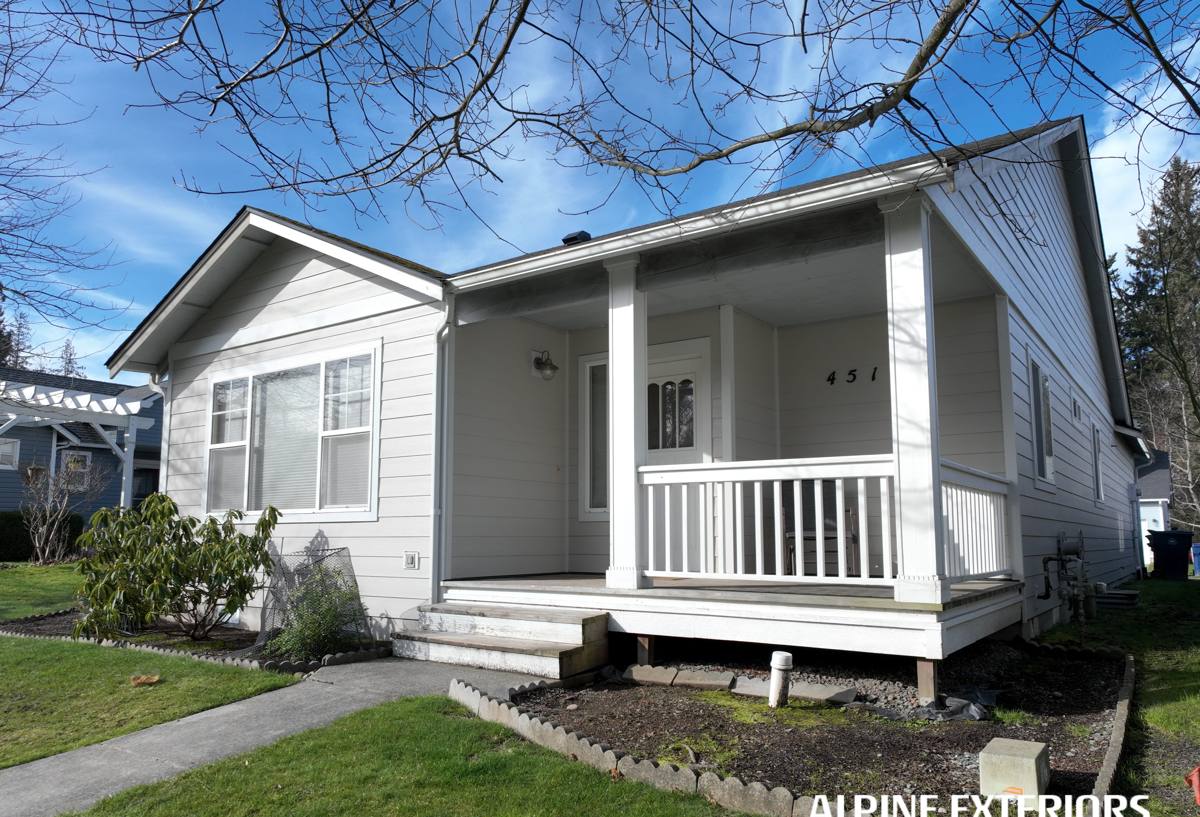
Village of the Arts is one of the more distinctive pockets of Bradenton — a walkable mix of cottage-style and bungalow homes, converted studios, and older Manatee County construction sitting close enough to the water and to downtown to catch every bit of what the local climate throws at a roof. That mix matters when it comes to metal roofing. A lot of the housing stock here predates modern wind-load codes, roof decks vary in condition from house to house, and homeowners are often more particular about how a new roof looks against a neighborhood known for its character. A metal roof done right respects both the engineering and the look of the house — it isn't a one-size-fits-all product dropped on every roof the same way.
We approach every Village of the Arts metal roofing job the same way: figure out what that specific roof deck, home age, and rafter structure can actually support, then build the system — panel, underlayment, fastening, flashing — to match it. That's a different conversation than a generic new-construction install, and it's why we spend more time on the inspection than most crews bother to.
What This Climate Actually Does to a Roof
Bradenton sits in a stretch of Manatee County that gets the full spread of Gulf Coast weather. None of this is unique to Village of the Arts, but it's worth spelling out because it's exactly what a roofing system has to be engineered against, not just tolerate.
Wind
Hurricane-force gusts don't fail a roof by peeling the metal itself — they fail it at the fastening pattern, the edge details, and the underlayment attachment. A panel that's rated for high wind uplift but installed with the wrong fastener spacing or clip system performs like a much cheaper product in a real storm.
UV exposure
Florida sun is relentless and year-round, not seasonal. Paint finishes, sealants, and coatings all degrade faster here than in most of the country. The quality of the factory finish on the panel — not just the metal underneath it — determines how the roof looks and performs a decade in.
Wind-driven rain
Straight-down rain is easy to shed. Rain pushed sideways under panel laps, around penetrations, and up under ridge caps is what actually causes leaks, and it's a wind-driven-rain event, not a slow drizzle, that exposes a poorly detailed roof.
Salt air
Being close to the coast means airborne salt settles on every exposed surface, including fasteners, flashing, and panel seams. Untreated or mismatched metals corrode faster here than inland, which is why fastener and flashing material has to be chosen to match the panel, not just whatever's on the truck.
Metal Panel Options — What Fits Village of the Arts Homes
Not every metal roofing system suits every house. Here's how the main options compare for the kind of homes common in this neighborhood.
| System | Best fit | Trade-offs |
|---|---|---|
| Standing seam (concealed fastener) | Homes prioritizing longevity, clean lines, and minimum long-term maintenance | Higher upfront cost; requires a skilled installer for tight seams and proper clip spacing |
| Exposed-fastener corrugated/ribbed panel | Budget-conscious projects, secondary structures, some bungalow styles | Fastener gaskets age and need periodic checking; visible screw heads |
| Metal shingle/tile profile | Homes where a traditional shingle or tile look is preferred but metal's durability is wanted | More seams and detail work than standing seam; installation quality matters even more |
We don't push one system on every house. A cottage with a simple gable roof and a tight budget may be well served by a quality exposed-fastener panel with the right gaskets and screws. A home where the owner wants a 40-plus-year roof and minimal upkeep is usually better matched to standing seam. We'll tell you honestly which one fits your roof and your budget — not just which one we'd rather install.
What a Correct Installation Actually Involves
The panel is the part everyone sees. The parts that determine whether the roof survives a bad storm season are underneath it and around it.
- Deck inspection and repair — any soft, rotted, or delaminated decking gets replaced before a single panel goes down. Fastening a metal roof to a weak deck is how roofs fail regardless of the panel quality.
- Underlayment — a self-adhered, high-temperature underlayment rated for this climate, installed as a full water barrier, not just a formality under the metal.
- Fastening pattern — matched to the wind zone and panel type, not a generic spacing used everywhere.
- Flashing at every penetration and edge — valleys, pipe boots, wall transitions, and drip edges are where most leaks originate, and where corner-cutting shows up first.
- Ventilation — proper intake and exhaust ventilation keeps attic temperatures and moisture in check, which matters for both energy costs and the roof deck's long-term health.
- Fastener and flashing material matched to the panel — mixing incompatible metals near the coast accelerates corrosion at exactly the points that matter most.
Signs an Existing Roof Needs Attention
- Streaking, rust spots, or chalking on panel finish
- Loose or backed-out fasteners on an exposed-fastener system
- Panel edges or ridge caps that lift visibly in wind
- Water stains on interior ceilings after wind-driven rain events
- Visible gaps or corrosion at flashing around chimneys, vents, or wall transitions
- A roof approaching or past the manufacturer's stated service life for its coating
How Our Process Works
We keep the process straightforward because homeowners are usually juggling this alongside everything else.
- On-site inspection — we get on the roof, check the deck condition, existing flashing, and any problem areas, and take measurements.
- Honest estimate — we walk through panel options, what your specific roof needs, and a real cost range, in writing.
- Material order and scheduling — metal roofing is often fabricated or ordered to spec, so we set a realistic timeline up front rather than guessing.
- Tear-off and deck prep — old roofing removed, deck inspected and repaired as needed, debris cleared daily.
- Underlayment, panel, and flashing installation — done in the sequence and to the fastening spec that matches your wind zone and panel type.
- Final walkthrough — we go over the finished roof with you, including care and warranty information, before we consider the job done.
Cost Factors for a Metal Roof Here
Metal roofing costs more upfront than asphalt shingles, and the range within metal roofing itself is wide depending on the choices below. We give real numbers during the on-site estimate rather than a blind quote, but these are the factors that move the price the most.
| Factor | Effect on cost |
|---|---|
| Panel system (exposed-fastener vs. standing seam) | Standing seam typically costs more per square due to labor and material |
| Roof deck condition | Rot or delamination found during tear-off adds repair cost not visible from the ground |
| Roof complexity (valleys, dormers, penetrations) | More cuts, flashing, and labor hours on a complex roof |
| Coating/finish grade | Higher-grade finishes resist Florida UV and salt exposure longer, at a higher material cost |
| Ventilation and code upgrades | Bringing older Village of the Arts homes up to current code can add scope |
Why a Crew That Already Works This Neighborhood Matters
Village of the Arts has enough older homes and non-standard roof structures that experience here actually changes outcomes. A crew that's already worked roofs in this part of Bradenton has a feel for what's usually hiding under the existing roofing, how the local permitting process runs through Manatee County, and how to detail a metal roof so it fits a bungalow or cottage-style home instead of looking like it was designed for a subdivision tract house. That's not a marketing point — it shows up in fewer surprises during tear-off and a finished roof that actually suits the house.
It also matters for accountability. A local, established contractor is easy to reach if a question comes up five years from now, easy to check references for, and has a real stake in their reputation in this community — not a crew that showed up from out of the area chasing storm work and will be gone by next season.
Maintenance and What to Expect Long-Term
A properly installed metal roof in this climate is genuinely low-maintenance, but "low" isn't "none." Plan on:
- A visual check after major storms for lifted panels, damaged flashing, or debris buildup in valleys
- Periodic fastener checks on exposed-fastener systems, since gaskets and screws are the first thing to age
- Keeping gutters and valleys clear so water doesn't pool against flashing
- Rinsing off accumulated salt and grime periodically, especially on homes closer to the water
Done right, a metal roof on a Village of the Arts home should outlast several asphalt shingle roofs and hold up to the wind, UV, and salt air that this stretch of the Gulf Coast deals with every year — without turning into a maintenance project of its own.
If you're weighing options for a roof in Village of the Arts or anywhere in the Bradenton area, we're happy to come take a look and give you a straight answer on what your roof actually needs. The estimate is free, there's no pressure, and you'll get real numbers, not a guess — just fill out the form below.