 Bradenton Siding
 Roofing in Bayshore Gardens Takes More Than a Standard Tear-Off
Bayshore Gardens sits close to Sarasota Bay, which means homes here deal with a rougher mix of weather than roofs just a few miles inland. Salt-laden air moves off the water and speeds up corrosion on fasteners, flashing, and metal accessories. Afternoon storms roll in fast and hard for most of the year, and hurricane season brings sustained wind loads that a roof either handles or doesn't. Add in the relentless Florida sun breaking down shingle mat and asphalt oils year-round, and it's clear why a roof that's fine in a drier, calmer climate can fail early here.
A correct roof replacement in this neighborhood isn't just about swapping old shingles for new ones. It's about building a system — deck, underlayment, flashing, fasteners, and ventilation — that's matched to wind-driven rain and coastal exposure from the start. That's the standard we hold every Bayshore Gardens reroof to.
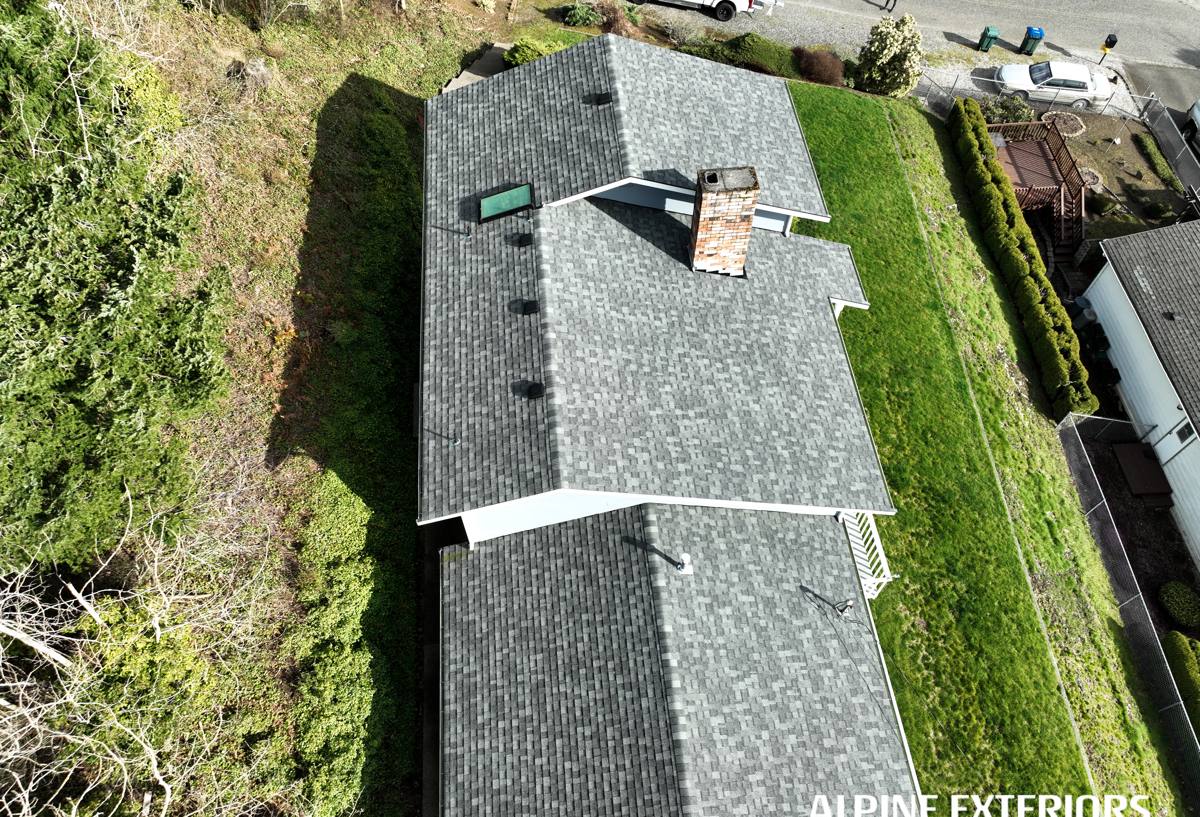
Signs a Bayshore Gardens Roof Needs Replacing, Not Another Repair
Not every roofing problem calls for a full replacement, but Manatee County's climate accelerates certain kinds of wear that patching won't solve for long. Watch for these signals:
- Granule loss heavy enough that you're finding grit in gutters and downspouts regularly
- Shingles that are cupping, curling, or cracking, especially on south- and west-facing slopes
- Soft spots or sagging in the roof deck when walked, which usually means moisture has reached the wood
- Rust streaking or corrosion around metal flashing, vent boots, and fasteners from salt air exposure
- Multiple isolated leaks that keep reappearing in different spots after repair
- Missing or lifted shingles after every significant storm, not just the big ones
- A roof approaching or past the back half of its rated lifespan with visible wear
If you're seeing two or more of these at once, a replacement is usually the more cost-effective path than continuing to chase repairs.
Choosing a Roofing System for This Climate
There's no single "best" material for every home — it depends on your budget, roof shape, and how much long-term maintenance you want to take on. For homes near the bay, we weigh wind performance and salt-air durability heavily alongside upfront cost.
| Material | Wind Performance | Coastal/Salt-Air Durability | Typical Lifespan | Maintenance |
|---|---|---|---|---|
| Architectural asphalt shingle | Good, with proper nailing pattern and rated products | Solid with corrosion-resistant fasteners and flashing | 20-30 years | Periodic inspection, gutter care |
| Standing seam metal | Excellent uplift resistance when installed correctly | Very good with coastal-grade coatings and fasteners | 40-50+ years | Low; occasional fastener and seam checks |
| Concrete or clay tile | Strong when fastened per current wind requirements | Good; underlayment condition matters more than the tile itself | 40-50+ years | Moderate; underlayment typically needs replacement before the tile does |
Whichever material you choose, the underlayment, flashing, and fastening details matter as much as the surface product — a premium shingle installed with the wrong nailing pattern will underperform a mid-grade shingle installed correctly.
A Note on Product Choices
We install a limited, deliberate range of roofing systems rather than every product on the market. That's a standard we hold ourselves to, not a knock on other manufacturers — some systems require installation tolerances or maintenance schedules that don't hold up well against wind-driven rain and salt exposure, or come with warranty structures that get complicated if a homeowner ever needs to make a claim. We'd rather recommend fewer systems and stand behind every one of them.
What a Correct Roof Replacement Actually Involves
A quality reroof follows the same core sequence regardless of material, and skipping steps here is where most premature failures start.
Tear-Off and Deck Inspection
Old roofing comes off down to the deck so it can be inspected directly — layering new shingles over old ones hides deck damage and shortens the life of the new roof. Any soft, rotted, or delaminated decking gets replaced before anything new goes down.
Underlayment and Water Barrier
A synthetic or self-adhering underlayment goes over the deck as the roof's real waterproofing layer. In valleys, around penetrations, and along eaves, extra water-resistant membrane is added since these are the spots most exposed to wind-driven rain.
Flashing and Fasteners
New flashing at chimneys, sidewalls, skylights, and vent penetrations, along with corrosion-resistant fasteners throughout. This is where salt-air exposure does the most long-term damage if the wrong hardware is used.
Installation to Wind Rating
Shingles or panels go down using the nailing or fastening pattern required to meet the product's rated wind resistance, not a generic pattern. This detail is invisible once the roof is finished but is the difference between a roof that holds up in a storm and one that doesn't.
Ventilation
Proper intake and exhaust ventilation keeps attic temperatures and moisture in check, which protects the deck from underneath and helps the shingles themselves last their full rated life.
Permits and Code Requirements in Manatee County
Roof replacements in Bradenton and unincorporated Manatee County, including Bayshore Gardens, require a permit and inspection under the Florida Building Code. The code sets minimum wind-uplift and fastening standards based on the county's design wind speed, and materials must carry the appropriate product approval for use in this region. We pull permits, schedule the required inspections, and make sure the finished roof meets code — not just the parts that are easy to see.
Skipping permits might save a little time up front, but it can create real problems later: insurance claims can be denied, and an unpermitted roof can complicate a home sale down the line.
Our Process, Start to Finish
- On-site inspection and estimate — we look at the deck condition, current material, roof shape, and any problem areas before quoting anything.
- Material selection — we walk through the options that fit your budget and the coastal exposure your home actually gets.
- Permitting — we handle the Manatee County permit and schedule required inspections.
- Tear-off and deck repair — old roofing removed, deck inspected, any damaged sections replaced.
- Underlayment, flashing, and installation — installed to the wind rating and code requirements for this area.
- Final inspection and cleanup — magnetic sweep for debris, full site walkthrough, and county inspection sign-off.
Here's a simple checklist you can use to evaluate any roof replacement, from us or anyone else:
- Is the job permitted through Manatee County?
- Is the deck inspected and repaired before new material goes down, not just covered over?
- Does the underlayment and flashing plan address valleys, penetrations, and wall intersections specifically?
- Are fasteners rated for coastal/salt-air exposure?
- Is the installation pattern matched to the product's actual wind rating, not a generic install?
- Is attic ventilation addressed, not just the roof surface?
- Is cleanup, including a magnetic nail sweep, part of the scope?
Why Local Experience in Bayshore Gardens Matters
A crew that already works this neighborhood knows the exposure patterns that come with being close to Sarasota Bay — which slopes take the worst of the wind-driven rain, how quickly salt air corrodes unprotected metal here versus further inland, and what the Manatee County permitting and inspection process actually looks like in practice. That familiarity shows up in fewer surprises during the job and a roof that's built for the conditions it will actually face, not a generic install.
It also means faster response when it matters. Storm damage doesn't wait for a convenient appointment window, and a crew already working in and around Bradenton can get eyes on your roof sooner than one dispatching from farther away.
Protecting Your Investment After Installation
A new roof lasts longest with a little routine attention, especially in a coastal climate:
- Keep gutters and downspouts clear so water isn't pooling at the roofline
- Trim back overhanging branches that drop debris or scrape shingles in wind
- Have the roof looked at after any major storm, even if nothing looks obviously wrong from the ground
- Check attic ventilation isn't blocked by insulation or storage
- Address small flashing or sealant issues quickly before they become deck problems
None of this requires a big time investment, but it makes a real difference in how long a roof holds up against year-round sun, salt air, and storm season.
If your roof is showing wear or you just want an honest read on what condition it's in, we're glad to take a look. The estimate is free, there's no pressure attached, and you'll get a straight answer about what your Bayshore Gardens roof actually needs — fill out the form below to get started.