 Bradenton Siding
 Why Roofs on Bradenton Beach Wear Out Faster Than Roofs Inland
Bradenton Beach sits on the south end of Anna Maria Island, which means every roof here is doing more work than a roof a few miles inland in Manatee County. Salt-laden air moves off the Gulf and settles onto shingles, fasteners, and flashing continuously, not just during storms. The sun is intense almost year-round, breaking down granules and asphalt oils faster than in shadier, less exposed settings. And when a storm does come through, this stretch of coastline sees hurricane-force wind and wind-driven rain that gets pushed sideways and upward under roof edges, not just straight down onto the field of the roof.
None of that means asphalt shingle roofing is a bad choice for a barrier island home — it's still one of the most practical, cost-effective roofing systems available, and a correctly installed shingle roof holds up well here. But "correctly installed" carries more weight in this environment than it does inland. This page covers what that actually means for a Bradenton Beach home, what our process looks like, and why local experience on this specific island matters as much as the shingle brand on the invoice.
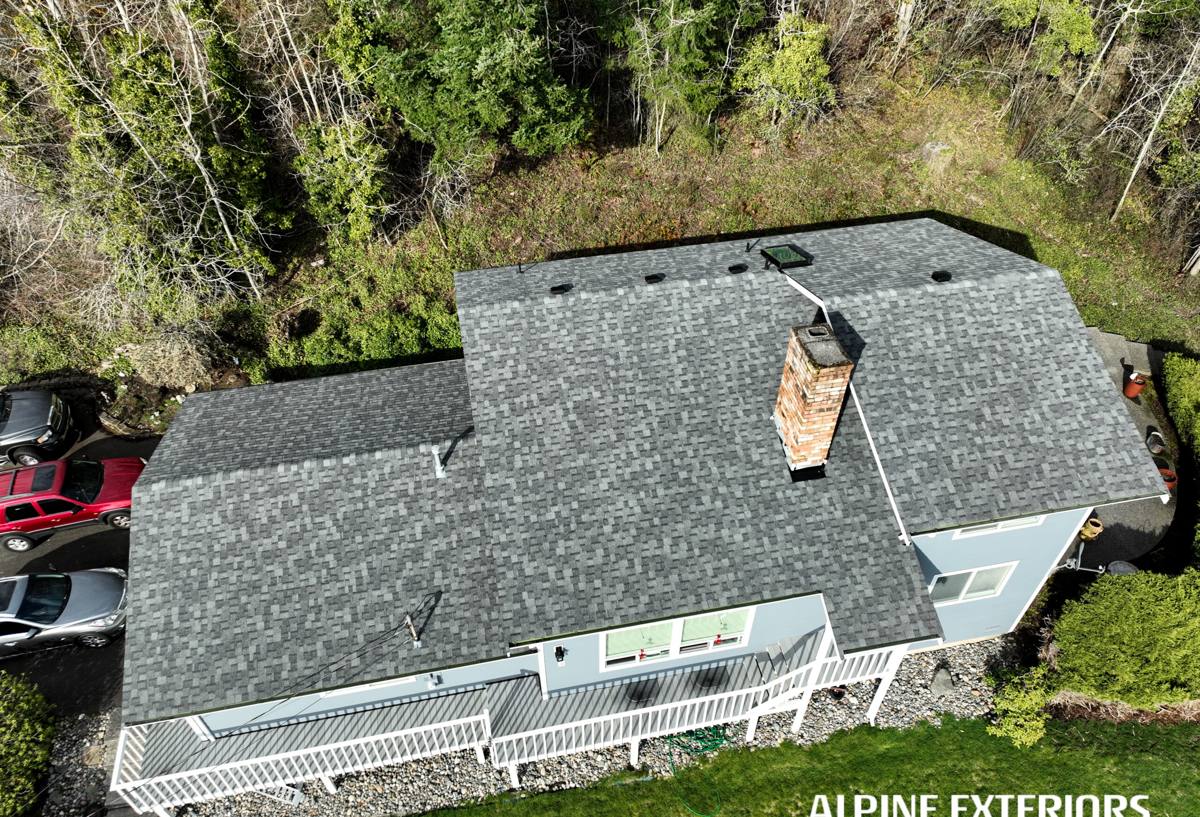
What a Shingle Roof Has to Get Right in This Environment
Wind Rating and Fastening
Florida Building Code sets minimum wind-uplift requirements for roofing, and coastal Manatee County properties like Bradenton Beach typically fall into the higher wind-speed design zones on the state's wind maps. That affects which shingle products qualify, how many nails go into each shingle, and where those nails land. A shingle rated for high wind that's under-nailed or nailed in the wrong pattern doesn't perform to its rating — the rating assumes correct installation, not just the right box of shingles.
Underlayment Built for Wind-Driven Rain
Shingles shed the majority of water, but the underlayment beneath them is the roof's real waterproofing layer, especially when wind pushes rain sideways or up under shingle edges. On a Bradenton Beach roof, we treat synthetic underlayment and self-adhering membrane at eaves, valleys, and roof-to-wall transitions as standard practice rather than an upgrade, because those are the spots where wind-driven rain actually gets in.
Flashing and Roof Penetrations
Every pipe boot, vent stack, chimney, and wall intersection is a place where two different materials meet, and that's where most roof leaks actually start — not in the open field of shingles. Salt air accelerates corrosion in cheap or improperly sealed flashing, so the metal gauge, sealant choice, and installation detail at every penetration matter more here than on an inland roof that isn't fighting salt exposure day in and day out.
Attic Ventilation in Near-Constant Heat
A hot, poorly ventilated attic bakes the underside of shingles and shortens their service life, and Bradenton Beach doesn't get much of a break from heat and humidity across the year. Balanced intake and exhaust ventilation keeps attic temperatures closer to outdoor ambient, which protects the shingles from the inside as much as good materials protect them from the outside.
Picking a Shingle That Can Actually Handle the Exposure
Not every asphalt shingle product is built for the same conditions. Architectural (laminated) shingles are heavier, carry higher wind ratings, and hold up better against the granule loss and edge lift that salt air and UV accelerate. Traditional three-tab shingles are lighter, generally carry lower wind ratings, and tend to show wear sooner in coastal exposure. Our standard for barrier island homes is architectural shingles with algae-resistant granules and a wind rating that matches or exceeds what Bradenton Beach actually requires — not because three-tab shingles are junk everywhere, but because this specific exposure asks more of a roof than a three-tab product is built to give.
| Shingle Type | Typical Wind Rating | Coastal Durability | Best Fit Here |
|---|---|---|---|
| Three-tab shingles | Lower end of code minimums | More prone to edge lift and granule loss in salt air and UV | Rarely our recommendation for a barrier island roof |
| Architectural / laminated shingles | Higher, product-dependent | Heavier profile resists wind and holds granules longer | Standard choice for Bradenton Beach installs |
| Premium / designer laminated shingles | Highest of the asphalt options | Thickest mat and heaviest granule bed available in asphalt | Worth discussing for exposed or high-visibility roofs |
How Our Process Works
We keep the process straightforward and explain every decision along the way, since it's your roof and your money:
- On-site inspection of the existing roof, decking, flashing, and attic ventilation, plus a look at the roof's exposure — how much of it faces open water or takes direct wind.
- A written scope that lays out shingle options, underlayment, flashing work, and ventilation needs, with honest trade-offs explained rather than glossed over.
- Permitting and, where applicable, the wind mitigation documentation Manatee County and your insurer will want on file.
- Tear-off and decking inspection — any soft or water-damaged decking gets replaced before a single shingle goes down, since a new roof over bad decking doesn't hold up regardless of shingle quality.
- Installation of underlayment, flashing, and shingles to the wind-rated nailing pattern the product and code require.
- Final walkthrough covering what was done, what warranty coverage applies, and what maintenance the roof actually needs going forward.
Repair or Full Replacement?
Not every roof problem means a full replacement, but on a barrier island roof it's worth being honest about when repair stops making sense.
| Situation | Repair Usually Makes Sense | Replacement Usually Makes Sense |
|---|---|---|
| Isolated leak at one flashing point or penetration | Yes, if the surrounding shingles and decking are sound | No |
| Widespread granule loss across the roof | No — patching doesn't address shingle aging | Yes |
| Storm damage limited to a small section | Yes, if decking underneath is intact | Only if damage is widespread or decking is compromised |
| Roof is approaching or past its expected service life | Rarely a lasting fix | Yes |
| Multiple past repairs in different areas | No — a pattern of repairs usually signals the roof is done | Yes |
Why It Matters That We Already Work Bradenton Beach
A crew that mainly works inland roofs can still install a technically sound roof, but a barrier island job has details that don't come up as often a few miles inland — wind design requirements tied to open Gulf exposure, permitting and wind mitigation documentation specific to Manatee County's coastal properties, and job-site logistics on an island where staging materials and coordinating deliveries takes more planning than a typical mainland lot. Working Bradenton Beach regularly means we're not learning those requirements on your project. We know what nailing pattern and underlayment spec actually meet the wind design here, and we're straightforward about what your roof genuinely needs versus what's just an upsell.
That familiarity also shows up in smaller, practical ways — knowing which flashing details tend to fail first on island roofs, and having handled the county's permitting and inspection process enough times that it doesn't slow your project down.
Keeping a Salt-Air Shingle Roof Healthy Between Storms
A well-installed shingle roof still needs some attention over time, especially in this environment:
- Have the roof inspected after any major storm, even if you don't see obvious damage from the ground
- Keep gutters and valleys clear of debris so wind-driven rain has a clear path off the roof
- Watch for granules collecting in gutters, which can signal shingles are aging faster than expected
- Trim back overhanging branches that trap moisture or debris against the roof surface
- Check attic ventilation periodically to confirm intake and exhaust vents aren't blocked or painted over
- Address small flashing or sealant issues promptly — they're inexpensive fixes when caught early and expensive ones once water reaches the decking
What Actually Drives the Cost of Your Roof
Every roof is different, and we'll give you a specific number after seeing the job, but these are the factors that move the price up or down:
| Factor | Why It Matters |
|---|---|
| Roof size and pitch | More surface area and steeper pitches both increase material and labor time |
| Shingle tier (three-tab vs. architectural vs. premium) | Heavier, higher-rated products cost more but perform better in this exposure |
| Decking condition | Rotted or water-damaged decking found during tear-off has to be replaced before shingles go on |
| Number of penetrations and flashing details | More vents, pipes, and roof-to-wall transitions mean more flashing labor |
| Layers being removed | Roofs with an existing layer to tear off take longer than a straightforward strip-and-replace |
| Ventilation upgrades needed | Adding or correcting intake and exhaust ventilation affects both material and labor cost |
If your Bradenton Beach roof is showing its age, took storm damage, or you just want a straight answer about what it needs, we're happy to take a look and walk you through the options honestly. Use the form below to request a free, no-pressure estimate.