 Bradenton Siding
 Deck Repair Built for Life on the Water
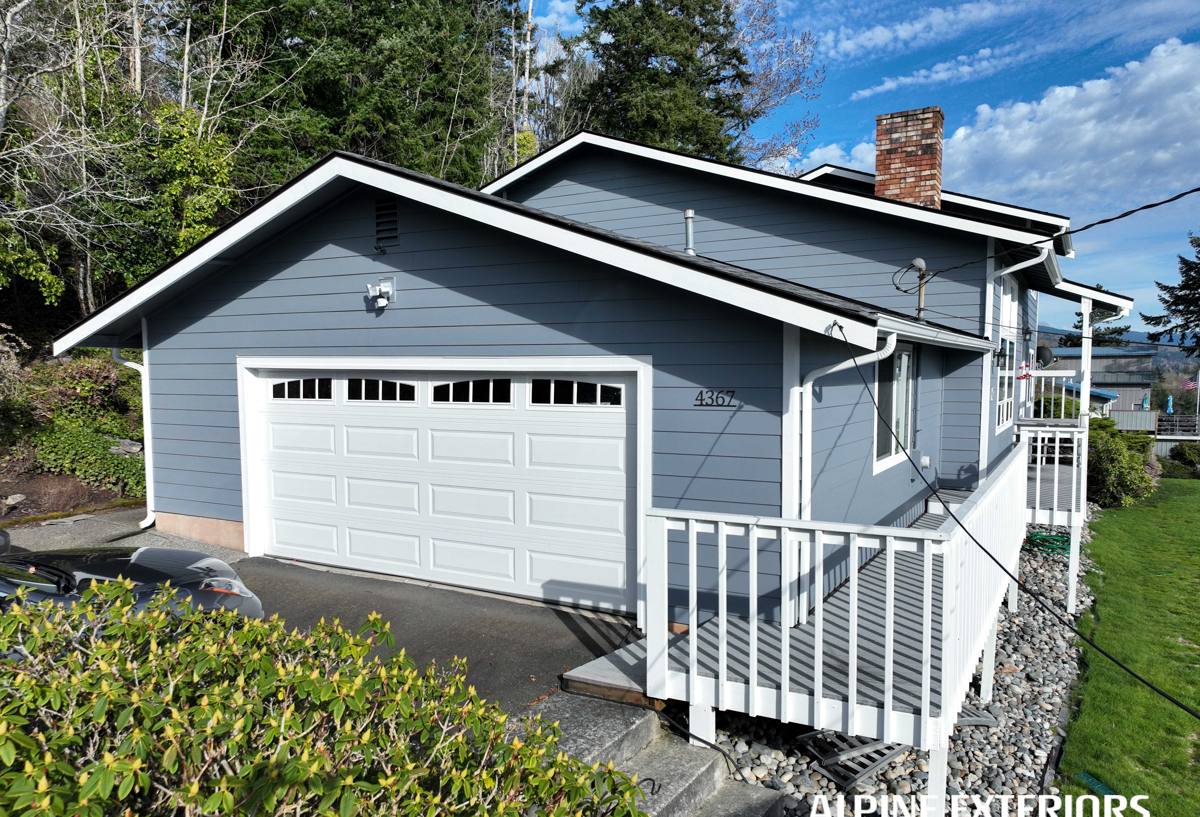
Bradenton Beach sits on a barrier island, which means every deck here is doing double duty. It's not just holding up furniture and foot traffic — it's absorbing salt spray off the Gulf, baking under Florida sun nearly every day of the year, and getting hit with wind-driven rain and hurricane-force gusts during storm season. A deck that would last decades inland can start showing real problems in a fraction of that time this close to the water. We work on decks throughout Manatee County, but island properties like this one get their own approach because the wear pattern is different, and the fixes have to account for that.
This page covers what actually goes wrong with decks in Bradenton Beach, how we diagnose it, and what a proper repair involves — no scare tactics, no upsell to a full replacement when a repair will genuinely hold up.
What the Coastal Climate Does to a Deck
Understanding the damage pattern is most of the battle. A few things are working against your deck simultaneously:
Salt Air and Corrosion
Airborne salt doesn't just sit on the surface — it gets into fastener heads, hardware connections, and any exposed metal. Standard galvanized screws and nails that would be fine in a landlocked yard can corrode within a few years on a barrier island. Corroded fasteners lose grip strength long before they look obviously bad, which is why a deck can seem solid to the eye but still have weak connections underneath.
UV Exposure
Florida sun is intense nearly every month of the year, and it breaks down the lignin in wood fibers, dries out natural oils, and fades or chalks composite surfaces. Wood decking that isn't sealed and re-coated on a regular schedule will gray, splinter, and check (crack along the grain) faster here than almost anywhere else in the country.
Wind-Driven Rain and Storms
Rain that comes in sideways during a storm gets up under railings, into ledger board connections, and behind fascia in ways that vertical rain never would. Combine that with the structural stress of hurricane-force gusts pulling and pushing on railings and posts, and you get loosened connections and water intrusion in the same spots, over and over.
Humidity
Consistently high humidity slows drying time after every rain event, which keeps wood damp longer and gives rot and mold more opportunity to take hold, especially in shaded or poorly ventilated areas underneath the deck.
Signs Your Deck Needs Attention
Most deck failures don't happen suddenly — there are warning signs first. Walk your deck and check for these:
- Boards that feel spongy, soft, or bounce underfoot
- Visible gaps, splitting, or cracking along the grain of wood boards
- Rust streaks bleeding out from screw or nail heads
- Railings or posts that wiggle or feel loose when pushed
- Gaps or separation where the deck attaches to the house (the ledger board)
- Discoloration, dark staining, or a musty smell near ground-level framing
- Composite decking that's flaking, bubbling, or delaminating at the surface
- Stairs that feel uneven or have visible sag between stringers
- Nails that have popped up above the board surface
Any one of these on its own might be minor. Several at once, or anything involving the structural framing rather than just the surface boards, is worth a proper inspection before it turns into a safety issue.
Where Deck Problems Actually Start
Surface boards get the attention because they're what you see, but most of the repairs that actually matter for safety happen underneath.
Ledger Board Connection
This is the board that ties the deck to the house, and it's one of the most common failure points anywhere in the country — coastal exposure just accelerates the timeline. Water gets trapped between the ledger and the house siding, and rot sets in where you can't see it until the deck starts to pull away.
Support Posts and Footings
Posts that sit in or near standing water, or footings that were undersized or set too shallow to begin with, are common trouble spots. On older decks we sometimes find posts resting on footings that have shifted or settled, which throws the whole structure slightly out of level.
Joists and Framing
Hidden under the deck boards, joists take on moisture from both directions — rain from above seeping through board gaps, and humidity from below. Once rot starts in a joist, it spreads along the grain and weakens everything fastened to it.
Railings and Guards
Railings take direct wind load during storms and get handled constantly the rest of the year. Loose railing posts are one of the most common repair calls we get, and they're also a genuine fall hazard if ignored.
Fasteners and Hardware
As covered above, this is where salt air does the most damage. A full re-fastening with corrosion-resistant hardware is often a smaller, cheaper fix than people expect, and it can add years of life to an otherwise sound deck.
Wood or Composite: What Repair Looks Like for Each
The right repair approach depends heavily on what your deck is built from. Both materials fail differently in this climate, and both can be repaired correctly if you catch the problem early enough.
| Factor | Wood Decking | Composite Decking |
|---|---|---|
| Typical failure mode | Rot, splitting, splintering, fastener pull-through | Surface delamination, fading, edge swelling, fastener pull-through at board ends |
| Maintenance needed | Regular sealing/staining, roughly every 1-3 years in this climate | Periodic cleaning; no sealing required, but not maintenance-free |
| Repair approach | Board-by-board replacement is usually straightforward and cost-effective | Matching discontinued colors/profiles can be difficult; sometimes a section replacement is cleaner than a patch |
| Coastal durability | Good if properly sealed and maintained on schedule; suffers fast if neglected | Generally holds up well to UV and moisture, but quality varies significantly by product line |
| Underlying framing | Same wood-framing risks apply regardless of surface material | Same wood-framing risks apply regardless of surface material |
One thing worth knowing: the surface decking is rarely the whole story. Even a full composite deck almost always sits on a wood-framed substructure, so the framing risks discussed above apply no matter what's on top.
How We Handle a Deck Repair
We keep the process straightforward and don't turn a repair into a bigger job than it needs to be.
- Full inspection — We check the ledger connection, posts, footings, joists, railings, and surface boards, not just whatever prompted the call. We also probe wood with an awl in suspect areas to check for hidden rot, since damage often extends past what's visible.
- Honest diagnosis — We tell you what's actually wrong, what's cosmetic versus structural, and what happens if it's left alone.
- Written scope and estimate — You know what's being repaired, with what materials, and what it costs before we start.
- Repair the source, not just the symptom — If boards are failing because of a drainage or ventilation problem underneath, we address that too, not just the boards.
- Corrosion-resistant hardware — On coastal properties, we use fasteners and connectors rated for this kind of exposure rather than standard-grade hardware, since that's where premature failure so often starts.
- Final walkthrough — We check railings, stair treads, and board fastening by hand before calling the job done.
Repair or Replace: How to Decide
Not every deck problem means starting over, but sometimes a repair is just delaying an inevitable full rebuild. Here's generally how we think about it:
| Consider Repair When | Consider Replacement When |
|---|---|
| Framing (posts, joists, ledger) is structurally sound | Rot has spread through multiple structural members |
| Damage is isolated to a few boards or one railing section | Damage is widespread across the whole deck surface |
| The deck is reasonably current with code (footing size, railing height, guard spacing) | The structure predates current code requirements by a wide margin |
| The deck was well-built to begin with and simply needs restoration | Original construction had shortcuts that keep causing recurring problems |
We'll always tell you honestly which category your deck falls into. A patchwork repair on a structurally compromised deck isn't a good use of your money, but plenty of decks that look rough are actually solid candidates for repair once the real problem is addressed.
Permits and Building Code
Deck work involving structural framing, footings, or railings typically requires a permit under Florida Building Code, and Manatee County jurisdictions take wind load and railing/guard requirements seriously given the storm exposure here. Guard height, baluster spacing, and stair railing requirements are all spelled out in code for good reason — they're safety items, not formalities. When a repair touches structural elements, we handle it as a code-compliant repair, not a shortcut, and pull permits when the scope requires it.
Why Local Experience on the Island Matters
A contractor who mostly works inland properties may not think twice about using standard hardware or skipping extra attention to ventilation underneath the deck — and on a mainland property, that might be fine. On a barrier island, those same shortcuts show up as callbacks within a couple of years. Working regularly in Bradenton Beach and along the rest of the Manatee County coastline means we already know which fastener grades hold up, which framing details cause repeat failures near saltwater, and what the local permitting process actually requires. That's not something you learn from a single job — it's something that comes from doing this work in this environment repeatedly.
We also know that island properties often deal with tighter access, elevated structures, and homes that see heavier seasonal use, and we plan the work around that rather than treating every deck like a standard mainland job.
Get a Straight Answer About Your Deck
If your deck in Bradenton Beach has soft spots, loose railings, corroding fasteners, or you're just not sure how much life it has left, we'll come take an honest look. There's no pressure and no obligation — just a clear explanation of what we find and what your real options are. Fill out the form below to schedule a free estimate.