 Bradenton Siding
 Why Bradenton Beach Homes Need a Different Approach to Siding
Bradenton Beach sits out on the barrier island, with the Gulf of Mexico on one side and the Intracoastal on the other. That location is what makes the area beautiful, and it's also what makes siding work here harder than almost anywhere else in Manatee County. A home three miles inland deals with heat and the occasional storm. A home in Bradenton Beach deals with all of that plus constant salt-laden air, near-daily wind off the water, and direct exposure during every tropical system that comes through the Gulf. Siding that performs fine in a subdivision further inland can fail years early out here if it wasn't chosen and installed with barrier-island conditions in mind.
This page covers what siding installation actually needs to account for on a Bradenton Beach home, what a correct installation involves step by step, and why the crew doing the work matters as much as the product going on the wall.
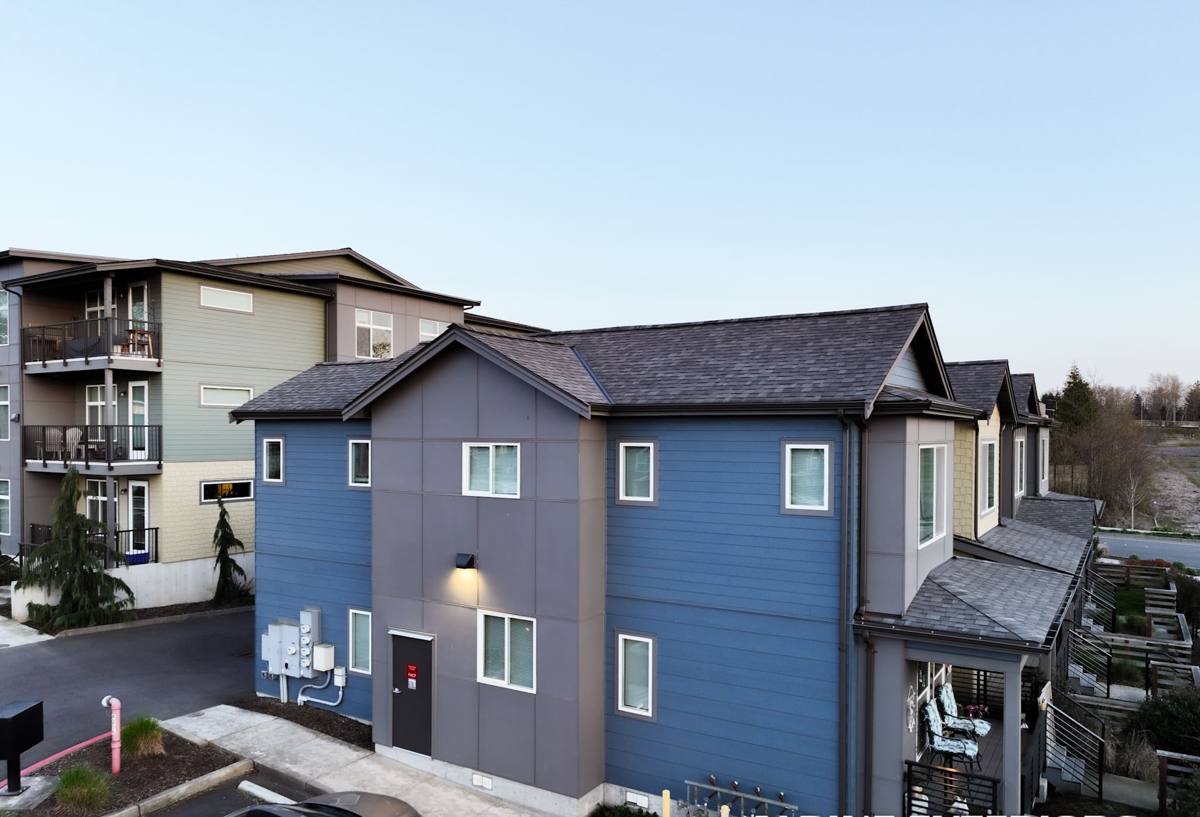
What Salt Air and Coastal Wind Do to Siding Over Time
Salt air is corrosive and it doesn't stay near the water's edge — wind carries it across the entire island, settling on every exterior surface day after day. Over years, that constant salt exposure attacks fasteners, trim, and paint film. Materials that rely on a surface coating for protection are the most vulnerable, because salt accelerates the breakdown of that coating, and once it's compromised, moisture gets underneath and the damage accelerates.
Wind adds a second layer of stress. Bradenton Beach gets steady onshore breezes most of the year, and wind-driven rain during storms pushes water sideways into seams, laps, and fastener points that would stay dry in a calmer setting. Siding on this island isn't just shedding rain that falls straight down — it's holding up against rain that's actively being forced into every gap and joint.
Add in Florida's intense, nearly year-round UV exposure, and you have three forces working on the same wall at once: salt, wind-driven moisture, and sun. Products that aren't engineered for that combination show it early — chalking, fading, soft spots, or fastener corrosion well before their expected lifespan is up.
Hurricane Wind Exposure and Why the Install Matters as Much as the Material
Barrier islands like this one see the leading edge of tropical weather. Even storms that don't make a direct hit can bring sustained wind and gusts strong enough to test every fastener and lap joint on a home's exterior. Manufacturers rate siding products for wind performance, but that rating only holds if the installation follows the fastening pattern, nailing schedule, and clearances the product was engineered for. A wind-rated product installed with the wrong nail spacing, over-driven fasteners, or missing starter strips does not perform to its rating — it performs to however it was actually put on the wall.
That's a distinction that matters more in Bradenton Beach than almost anywhere else in the region, because this is one of the first places local wind loads get tested when a system moves through.
Why We Install Only James Hardie Fiber Cement
We made a standing decision as a company to install James Hardie fiber cement siding exclusively — not LP SmartSide, not vinyl, not Cemplank, not Allura, not primed wood. For a barrier-island community facing salt air, hurricane-force wind, and constant UV, the reasons come down to three things.
It doesn't rely on paint film to stay intact
Fiber cement is a cement-and-cellulose composite, not a wood or wood-derivative product. It doesn't absorb moisture and swell the way engineered wood siding can, and it isn't damaged by the surface-level breakdown that salt air causes on painted wood substrates. The core material stays stable even as the surface finish ages.
ColorPlus factory finish holds up better than field-applied paint
James Hardie's ColorPlus finish is baked on in a controlled factory process, which gives it more consistent coverage and better adhesion than paint rolled or sprayed on-site after installation. In a salt-air environment, that difference shows up over years, not weeks — factory-finished coatings simply hold their color and seal longer than field-applied coats exposed to sun and salt from day one.
HZ5 product lines are engineered for exactly this exposure
Hardie's HZ5 (high-zone) formulation is built for hot, humid, storm-prone climates like Florida's Gulf Coast — it's a different engineered formula than the HZ10 product sold in drier, colder parts of the country. Combined with fiber cement's non-combustible core and the strength of a properly fastened lap system, HZ5 gives a Bradenton Beach home a siding system actually matched to its climate, not just a product that happens to be available.
What a Correct Installation Actually Involves
Siding installation is often sold as a simple swap — old boards off, new boards on. On a barrier island, that shortcut is exactly what leads to early failures. A correct job has several layers that all have to be right, not just the visible siding itself.
Tear-off and substrate inspection
Once old siding is off, the sheathing underneath gets inspected for rot, soft spots, or prior water intrusion — all more common on coastal homes than inland ones because of the wind-driven rain this area sees. Any compromised sheathing gets addressed before anything new goes up; installing over damaged substrate just traps the problem.
Water-resistive barrier and flashing
A weather-resistant barrier goes over the sheathing, and flashing gets installed at every window, door, and penetration point. This layer is what actually keeps water out long-term — the siding is the first line of defense, but the barrier and flashing behind it are what stop wind-driven rain that gets past the surface from reaching the wall assembly.
Fastening pattern and clearances
Hardie's installation specifications call for specific nail spacing, fastener embedment depth, and minimum clearances from rooflines, decks, and grade. These aren't generic suggestions — they're what the wind rating and warranty are actually based on. Skipping or eyeballing them is the single most common way a wind-rated product ends up underperforming its rating.
Caulking, trim, and final finish
Joints get sealed with an appropriate sealant, trim is fitted tight, and touch-up paint is applied only where factory finish was cut or fastened, using Hardie's matched touch-up products so the color stays consistent over time.
Comparing Materials for a Coastal, Storm-Exposed Home
| Factor | James Hardie Fiber Cement | Vinyl Siding | Wood / Engineered Wood |
|---|---|---|---|
| Salt air resistance | Strong — cement core doesn't corrode or absorb salt moisture | Surface can become brittle and discolored under prolonged salt/UV exposure | Vulnerable — moisture and salt accelerate rot and coating failure |
| Wind performance | High, when installed to spec; rated for high-wind zones | Can crack or blow off in sustained high wind if fastening is marginal | Depends heavily on fastening; panels can warp and loosen over time |
| Fire resistance | Non-combustible core | Combustible; can melt or deform near heat sources | Combustible |
| Finish durability | Factory-baked ColorPlus finish resists fading and chalking | Color is through-body but can fade and chalk in intense UV over years | Relies on field-applied paint; needs more frequent recoating |
| Typical maintenance | Periodic rinse, caulk checks, repaint only when needed | Low maintenance but limited repair options if damaged | Regular repainting/sealing to protect against moisture |
How Our Process Works for Bradenton Beach Specifically
Working on a barrier island comes with its own logistics — narrower streets, tighter lots, and homes built close together, all of which affect staging materials and scheduling delivery. Because we already work this area regularly, we plan around those realities instead of treating every job like it's on a standard inland lot.
Every project starts with an on-site inspection and honest assessment of your current siding, trim, and any underlying moisture issues — not just a quote based on square footage. From there we walk through material and color options, confirm the scope in writing, and schedule the work around weather windows, since installation quality depends on dry conditions during key steps like barrier and flashing work. We also handle the permitting that Manatee County and local jurisdictions require for exterior work, so nothing gets installed without proper inspection sign-off.
Signs Your Bradenton Beach Home May Need New Siding
- Visible cracking, warping, or soft spots you can press in with a finger
- Paint that's chalking heavily or peeling faster than it used to
- Gaps opening up at seams, corners, or where siding meets trim
- Rust streaking near fasteners or metal flashing
- Rising energy bills that may point to compromised insulation behind the siding
- Visible water staining or discoloration after storms
- Siding that's noticeably faded or a different shade than when installed
Any one of these on its own isn't necessarily an emergency, but on a barrier-island home, they tend to compound faster than they would inland — worth having looked at sooner rather than later.
Caring for Fiber Cement Siding After Installation in a Salt-Air Environment
James Hardie siding is low-maintenance, but "low-maintenance" doesn't mean "no maintenance," especially this close to the Gulf. A periodic rinse-down helps clear accumulated salt residue before it has a chance to sit on the surface for months. Caulked joints and trim connections are worth a visual check after major storms, since wind-driven rain is the most common way water finds its way past an otherwise sound installation. If a repaint is ever needed on cut edges or touch-up areas, using Hardie-matched products keeps the finish consistent instead of creating a visible patchwork over time.
If your Bradenton Beach home's siding is showing its age, or you're planning ahead of the next storm season, we're happy to walk the property with you and give you a straight assessment — no pressure, no upsell. Use the form below to request a free estimate.