 Bradenton Siding
 Windows Built for Village of the Arts, Not Just "Standard Size"
Village of the Arts is one of Bradenton's most distinctive neighborhoods — a tight collection of early-to-mid-century cottages and bungalows that have been converted into galleries, studios, and homes with real character. Those older homes almost never have window openings that match today's standard manufacturer sizes. Ceilings are lower, trim details are original, and in many cases the openings have shifted slightly over decades of settling. That's the core reason "custom" matters here more than in a newer subdivision: a stock window ordered to the nearest standard size will leave gaps that get shimmed, caulked, and eventually leak. A properly custom window is measured to the actual opening, in that actual house, and built to fill it correctly the first time.
This page covers what custom window replacement actually involves for homes in and around Village of the Arts — the climate factors driving the decision, what code requires, how we handle the process, and what to look for in any crew you consider for the job.
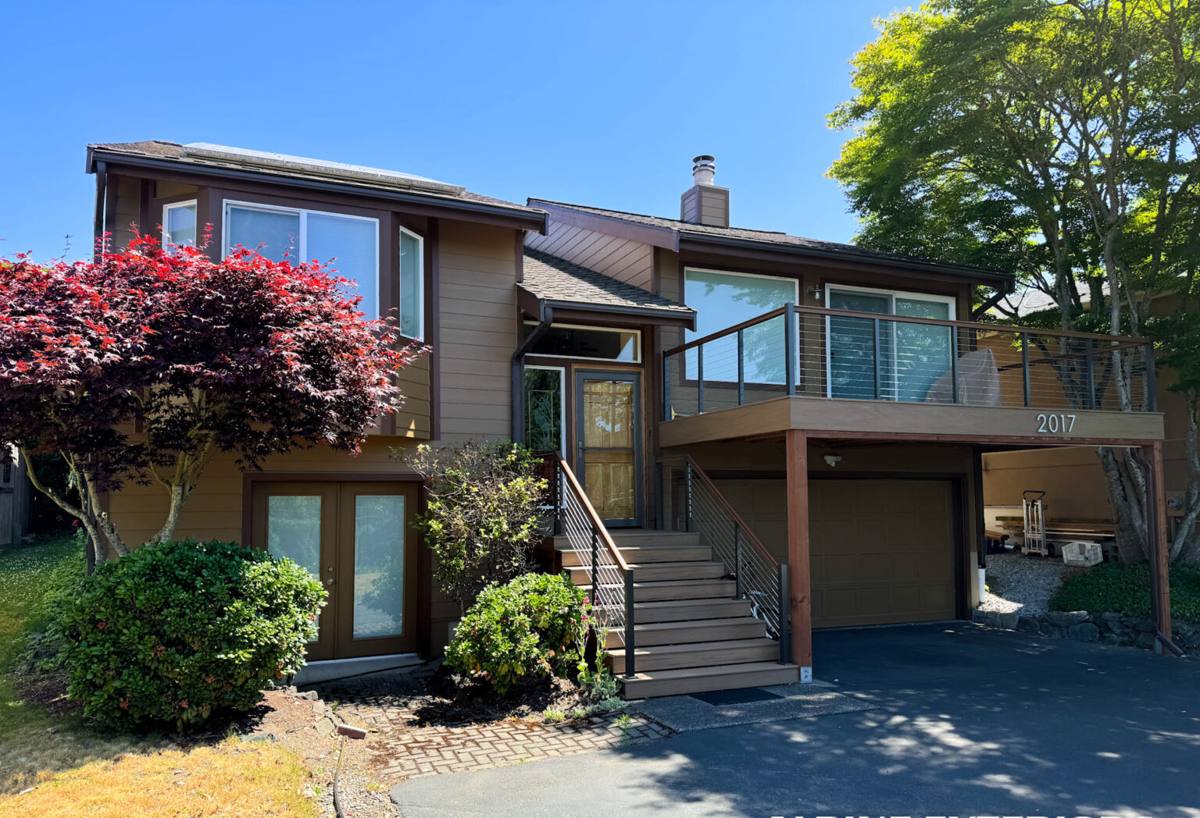
What Bradenton's Climate Does to Windows Over Time
Manatee County sits in a hurricane-exposed wind zone, and every window on a house here is doing more work than a window in most of the country. A few specific stresses stack up year after year:
- Hurricane-force wind loads — even homes outside the direct storm path take repeated pressure cycling during tropical systems, which fatigues seals and frames faster than calm-weather use.
- Wind-driven rain — Florida storms don't just drop rain, they push it sideways into any gap in flashing, sealant, or a warped frame.
- Intense, near-constant UV exposure — sun breaks down vinyl, degrades seals, and yellows or clouds certain glass coatings faster than in northern climates.
- Salt air — Village of the Arts is close enough to the coast that airborne salt accelerates corrosion on hardware, screens, and lower-grade aluminum components.
Individually, none of these is dramatic. Together, over 10-20 years, they're why so many original single-pane or early-generation double-pane windows in older Bradenton neighborhoods are foggy, hard to operate, or simply no longer sealing the way they should.
What "Custom" Actually Means
Custom doesn't mean expensive or elaborate — it means the window is specified to the house instead of the house being forced to fit a catalog size. For Village of the Arts homes specifically, that usually involves:
Accurate field measurement
Every opening gets measured individually, including checking for square. Older frame openings are frequently out of square by enough to matter, and a window built for a perfectly square opening won't seal correctly in one that isn't.
Matching sightlines and proportions
Cottage and bungalow-style homes have specific window proportions — often narrower, taller openings, sometimes with divided-light patterns. Replacing them with a generic wide picture window changes the look of the house permanently. Custom sizing keeps the original proportions intact.
Frame depth and trim coordination
Older homes often have deeper or shallower wall assemblies than modern construction. Custom units account for that so the interior and exterior trim can be finished cleanly, without extension jambs improvised on site.
Impact Rating and Florida Building Code
Manatee County falls under Florida's High-Velocity or wind-borne debris zone requirements depending on exact location, which means replacement windows generally need to meet impact standards or be paired with code-approved protection. There are two ways to get there, and homeowners should understand both before deciding:
| Approach | How It Works | Trade-offs |
|---|---|---|
| Impact-rated windows | Laminated glass with an interlayer stays intact under impact and wind pressure; no separate shutters needed | Higher upfront cost; no storm-prep labor before every storm; typically better UV and sound reduction too |
| Standard glass + approved shutters | Regular window paired with code-rated hurricane shutters or panels | Lower window cost, but shutters must be installed before every storm and stored the rest of the year; window itself still ages under daily UV and wind exposure |
We'll tell you honestly which approach fits your budget and your house — impact glass isn't always the right call for every opening, and we're not going to upsell it where it doesn't make sense. But every recommendation is based on what the opening and the code actually require, not a one-size answer applied to the whole house.
Choosing the Right Frame Material
Frame material affects how a window handles salt air, UV, and years of thermal cycling. Here's how the common options compare for this specific climate:
| Material | Salt Air / Corrosion Resistance | UV / Heat Performance | Maintenance |
|---|---|---|---|
| Vinyl | Excellent — won't corrode | Good; quality matters, cheaper vinyl can warp under sustained heat | Low — no painting, occasional cleaning |
| Fiberglass | Excellent | Very good; stable dimensionally in heat | Low; holds paint well if a color change is wanted later |
| Aluminum | Fair to good depending on finish/coating | Good structurally but conducts heat more than vinyl or fiberglass | Moderate — coatings can wear near the coast over time |
| Wood / wood-clad | Poor without diligent upkeep near salt air | Good insulator | High — regular sealing/painting required, especially here |
We don't typically recommend bare wood frames for homes this close to the coast — not because wood is a bad material in general, but because the maintenance burden in a salt-air, high-UV environment is a lot to keep up with, and the failure mode when it's neglected (rot, swelling) is worse than what you get from vinyl or fiberglass. If the look of wood matters to you for a period-appropriate cottage restoration, clad options can bridge that gap.
Signs Your Current Windows Need Attention
Before assuming full replacement is the answer, it's worth knowing what's actually failing. Common signs in older Village of the Arts homes include:
- Fogging or a cloudy haze between panes (seal failure in the insulated glass unit)
- Windows that are hard to open, stick, or won't stay up on their own
- Visible daylight or a draft around the frame when closed
- Soft or discolored wood at the sill or frame corners
- Chalky, pitted, or corroded hardware and tracks
- A noticeable rise in street noise or a harder time keeping rooms cool
- Frames that no longer sit flush or square in the opening
Some of these are repairable. Fogged glass alone, for instance, doesn't always mean the whole frame is bad. Part of an honest estimate is telling you which of these problems are worth fixing individually versus which windows are past the point where repair makes sense.
How Our Process Works
Custom window projects go smoother when the process is clear from the start. Ours generally runs like this:
1. On-site assessment and measurement
We walk the house, look at each opening, note the condition of the surrounding structure (sill, framing, flashing), and take precise measurements — not estimates from a tape measure at the wrong angle.
2. Product and code review
We go over frame material, glass options, and whether impact-rated glazing or a shutter-based approach makes more sense for each elevation of the house, based on exposure and budget.
3. Written estimate
You get a clear, itemized proposal — no vague allowances buried in a lump sum.
4. Ordering and lead time
Because units are built to the specific opening, there's a manufacturing lead time. We'll give you a realistic window for that up front rather than a best-case guess.
5. Installation
Old units are removed carefully to protect original trim and siding where possible, new flashing and sealant are installed correctly around the opening (this step is where most leaks either get prevented or get built in), and each window is set plumb, level, and square.
6. Final check
We test operation, confirm seals, and walk the finished work with you before calling the job done.
Why Local Experience in This Neighborhood Matters
A crew that's worked in Village of the Arts specifically has already run into the quirks of these older homes — out-of-square openings, non-standard trim profiles, mixed original and updated construction from past renovations. That experience shows up in fewer surprises mid-project and fewer change orders. It also matters for code compliance: Manatee County's wind zone and permitting requirements apply regardless of a home's age or character, and a contractor unfamiliar with local inspection expectations can cost you time in rework or failed inspections.
Before hiring anyone for a window project in this area, it's worth asking a few direct questions:
- Are you licensed to work in Manatee County, and can you provide proof of insurance?
- Will you pull the required permit, or is that left to me?
- What specific impact rating or product approval number does the proposed window carry?
- How do you handle flashing and sealant at the opening — what's the actual installation method?
- What's the manufacturer's warranty, and what's covered under your own labor warranty?
- Can I get the estimate in writing with materials specified by brand and model?
A contractor who answers these plainly, without hedging, is generally one worth trusting with the job.
Maintenance After Installation
Even a well-installed, high-quality window benefits from basic upkeep in this climate. Rinse frames and tracks periodically to clear salt residue, especially after storms. Check weep holes (the small drainage openings at the bottom of the frame) to make sure they're not clogged with debris or paint. Inspect exterior sealant annually — UV exposure will eventually break down even good caulking, and catching it early is a lot cheaper than dealing with water intrusion later. None of this is heavy maintenance, but skipping it is how avoidable problems turn into real repairs.
What Affects Cost
There's no single price that applies to every home, but the main factors that move the number are consistent: number of openings, frame material, whether glass needs to be impact-rated, complexity of the trim work, and whether structural repair is needed at the opening before the new window goes in. Homes in Village of the Arts sometimes carry an added factor — matching original proportions or trim details on a period cottage can take more care than a straightforward swap in a newer home. We'll walk through all of this specifically for your house rather than quoting off a generic per-window number that doesn't account for what your project actually needs.
If you're weighing options for your home in Village of the Arts, we're glad to take a look and give you a straightforward, no-pressure estimate — just fill out the form below.