 Bradenton Siding
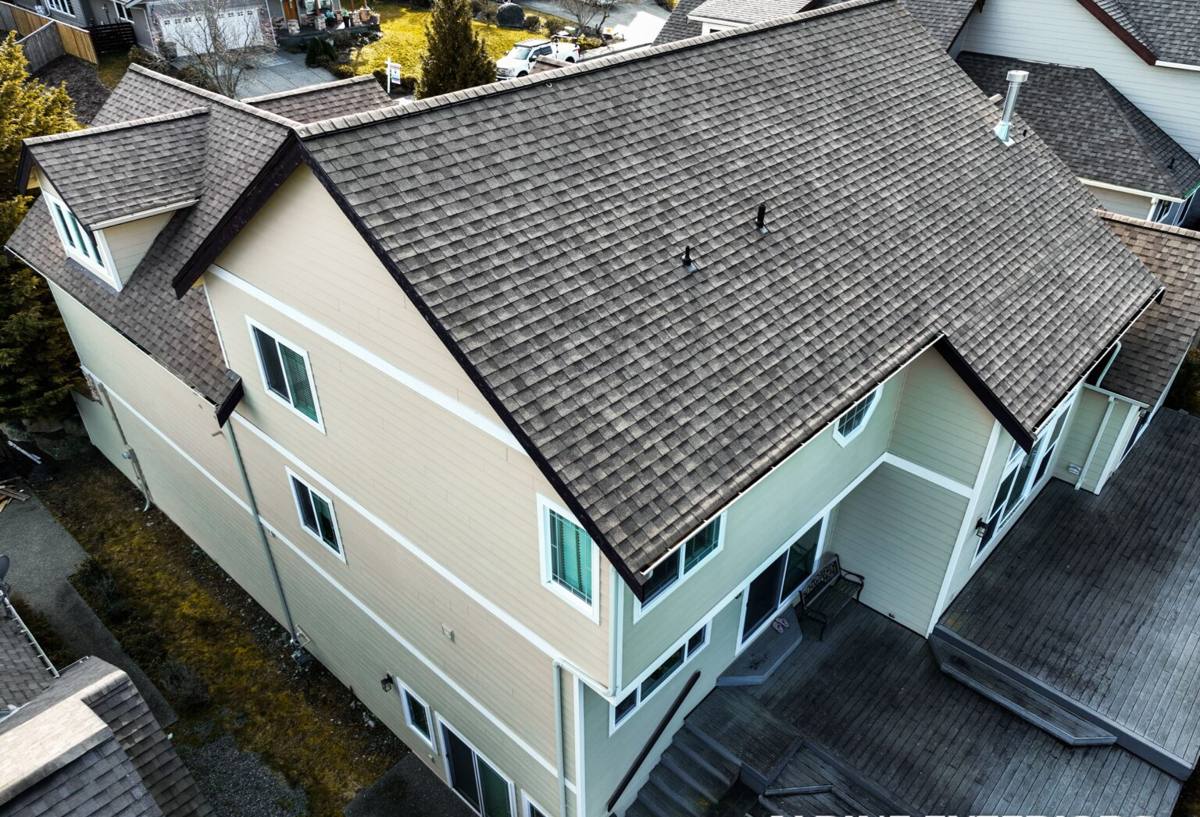
 Deck Replacement Built for Bayshore Gardens' Waterfront Conditions
Bayshore Gardens sits along the canals and shoreline that feed into Sarasota Bay, which means most decks here live in a tougher environment than decks a few miles inland. Salt-laden air moves off the water daily, humidity stays high most of the year, and afternoon sun in Manatee County is intense enough to break down wood fibers and fade or chalk composite surfaces over time. Add in wind-driven rain during summer storms and the occasional direct hit from a tropical system, and it's easy to see why decks in this neighborhood tend to age faster than the manufacturer's brochure suggests.
When a deck reaches the point where boards are cupping, fasteners are backing out, or the substructure feels spongy underfoot, patch repairs stop making sense. A full replacement lets us correct the framing, drainage, and attachment details that caused the failure in the first place — not just cover it up with new decking on top of the same problems.
Why Decks Fail Faster in This Part of Manatee County
Salt Air and Moisture
Homes near the canals and open water in Bayshore Gardens see accelerated corrosion on fasteners, joist hangers, and any exposed metal hardware. Standard coated screws and nails can start rusting and staining the deck surface well before the wood itself is done. Once fasteners weaken, boards loosen, and loose boards let more water into the structure below.
UV Exposure
Florida sun is strong nearly year-round. On wood decks, UV breaks down the surface fibers, leading to graying, splintering, and checking. On lower-grade composite boards, UV exposure combined with humidity can cause fading and, in some cases, surface degradation that shows up as a rough or chalky texture after several years.
Wind and Storm Load
Bayshore Gardens is exposed to the same tropical storm and hurricane risk as the rest of coastal Manatee County. Deck railings, stair stringers, and ledger board attachments all take real structural load during high wind events — this is one of the most common places we find under-built or improperly flashed original construction when we open up an old deck.
Standing Water and Poor Drainage
Frequent summer rain means a deck's ability to shed water fast is not optional. Decking installed too tight, without proper gapping, or over framing without adequate slope holds water against the wood and accelerates rot, especially at butt joints and around post bases.
Signs Your Deck Needs Replacement, Not Repair
- Soft, spongy, or bouncy spots when you walk across the deck
- Boards that are cupping, splitting, or visibly graying despite being sealed
- Rust streaks running down from screw heads or hardware
- Railings or stair stringers that feel loose or flex when you lean on them
- Visible rot or soft wood at the ledger board where the deck meets the house
- Gaps opening up between boards, or boards that have shifted out of alignment
- A deck that's more than 15-20 years old and has never had the substructure inspected
- Nails or screws that have worked loose or popped up above the board surface
If you're only seeing one or two of these on a deck that's structurally sound underneath, repair may still be a reasonable option. Once the framing, ledger attachment, or footings are compromised, replacement is the safer and more cost-effective path — repeated patch jobs on a failing structure usually cost more over time than doing it right once.
What a Correct Deck Replacement Involves
Removal and Structural Assessment
We start by tearing out the old decking and inspecting everything underneath: joists, beams, posts, footings, and the ledger board connection to the house. This is where we find the real story — a deck can look fine on the surface while the framing underneath is compromised by years of moisture intrusion.
Framing and Fasteners
Given the salt air common to Bayshore Gardens' waterfront and canal-adjacent lots, we use corrosion-resistant, coastal-rated fasteners and hardware throughout the substructure — not just at the visible surface. Joist hangers, structural screws, and post connectors all matter more here than they would on an inland deck.
Ledger Board and Flashing
The ledger board — where the deck attaches to your house — is one of the most common failure points we see, and one of the most important to get right. Proper flashing keeps water from tracking behind the ledger and into your home's structure, which is a bigger problem than a failing deck board.
Decking Material Installation
Whether you choose wood, composite, or PVC decking, proper board spacing, fastening pattern, and end-gapping all affect how the deck handles Florida's humidity and rain. Installed too tight, even a good material will trap moisture and fail early.
Railings and Code Compliance
Railing height, baluster spacing, and stair requirements are governed by Florida Building Code and enforced through Manatee County permitting. We pull permits and build to code — not just to what's typical — because a deck that isn't up to code can complicate a future home sale or insurance claim.
Choosing a Decking Material for This Climate
| Material | How It Handles Salt Air & Sun | Maintenance | Typical Lifespan Here |
|---|---|---|---|
| Pressure-treated wood | Prone to graying, splintering, and fastener corrosion without regular upkeep | Annual cleaning and resealing recommended | 10-15 years with upkeep |
| Composite decking | Resists rot and splintering; quality varies by brand and cap technology | Periodic washing, no sealing needed | 20-25+ years, brand dependent |
| PVC/capped polymer decking | Fully synthetic, handles moisture and UV well; strong option for waterfront exposure | Low — occasional washing | 25-30+ years |
| Tropical hardwood (e.g., ipe) | Naturally dense and rot-resistant, but expensive and installation-sensitive | Regular oiling to maintain color | 20-25 years with upkeep |
There's no single right answer for every home — budget, the look you want, and how much maintenance you're willing to do all factor in. We'll walk through the honest trade-offs of each option for your specific deck rather than pushing whatever's easiest for us to install. For homes closer to the water in Bayshore Gardens, we generally steer clients toward composite or PVC decking for the railing and structural hardware areas most exposed to salt spray, even when the deck surface itself is wood.
Permitting and Structural Requirements in Manatee County
Deck replacement projects in unincorporated Manatee County, which includes Bayshore Gardens, require a building permit in most cases — especially any project involving structural framing, footings, or attachment to the house. Permits exist to verify that footings are sized correctly for the load, that the ledger connection is safe, and that railings meet current height and spacing requirements. Skipping permits on a deck rebuild is a common shortcut some contractors take to move faster, but it leaves you exposed if there's ever an issue with a future sale, insurance claim, or storm damage assessment. We handle the permitting process as part of the job.
Our Deck Replacement Process
- On-site evaluation — We inspect the existing deck, framing, and ledger connection and talk through what's actually causing the problems you're seeing.
- Written estimate — You get a clear scope of work and pricing before anything starts, including material options.
- Permitting — We pull the required Manatee County permits and coordinate inspections.
- Demolition — Old decking, and any compromised framing, is removed and hauled away.
- Rebuild — Framing, ledger flashing, and structural hardware are installed to code, using coastal-rated fasteners.
- Decking and railings — Your chosen decking material and railing system are installed with proper spacing and fastening.
- Final walkthrough — We review the finished deck with you and make sure everything meets your expectations before closing out the permit.
Why Local Bayshore Gardens Experience Matters
A deck built to a generic national spec sheet doesn't always hold up to Manatee County's combination of salt exposure, humidity, and storm wind. Crews who regularly work in Bayshore Gardens and the surrounding waterfront neighborhoods know which fasteners actually hold up near the canals, how much slope a deck needs to shed our summer rain, and where the Manatee County permitting office tends to flag issues before they become expensive change orders mid-project. That local familiarity shows up in fewer surprises and a deck that's genuinely built for where it sits, not just for a spec sheet written somewhere else.
Protecting Your New Deck After Installation
Whatever material you choose, a few habits will meaningfully extend the life of your new deck in this climate:
- Rinse off salt residue periodically if your home is near the water or canals
- Keep gutters and downspouts clear so runoff doesn't dump directly onto the deck
- Reseal wood decking on a regular schedule rather than waiting until it looks weathered
- Check railing and stair connections for looseness once or twice a year, especially after storm season
- Trim back overhanging vegetation to reduce moisture and debris buildup on the deck surface
A well-built deck paired with basic seasonal maintenance is what actually gets you the long lifespan these materials are rated for — the build quality and the upkeep both matter.
Get a Free, No-Pressure Estimate
If your Bayshore Gardens deck is showing signs of wear, feeling unstable, or just due for an honest inspection, we're happy to take a look and give you a straight answer about repair versus replacement. Fill out the form below for a free estimate — no pressure, no obligation.