 Bradenton Siding
 Building a Deck That Actually Holds Up in Ellenton
Ellenton sits close enough to the water and open enough to the weather that a deck built to a generic national standard often disappoints its owner within a few seasons. Between Manatee County's hurricane-force wind events, intense year-round UV exposure, wind-driven rain, and the salt air drifting in off the Gulf and the Manatee River, an outdoor structure here takes a beating that inland homes never see. A custom deck for an Ellenton home needs to be engineered for that reality from the ground up, not adapted to it after the fact.
This page covers what actually matters when you're adding or replacing a deck in this area: the materials that hold up, the structural details that keep a deck attached to your house and anchored to the ground during a storm, and the process a local crew follows to get it right the first time.
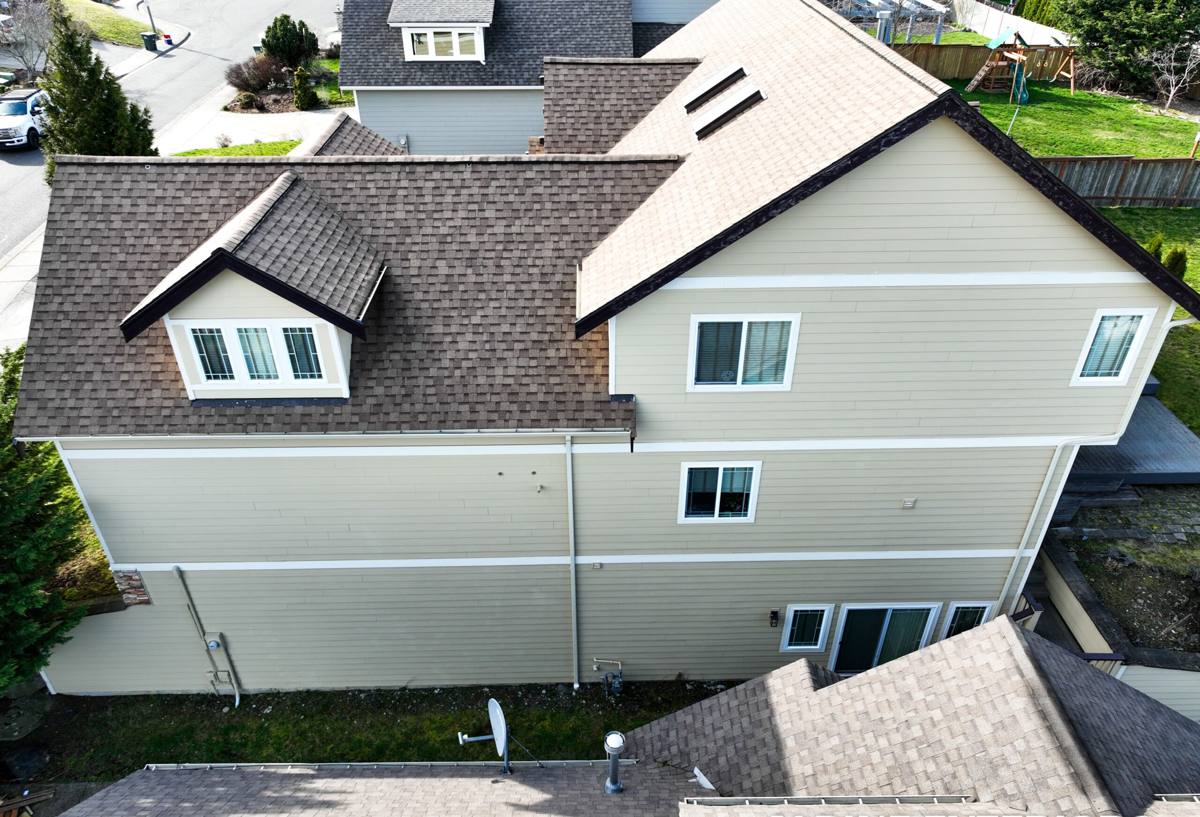
What This Climate Does to an Outdoor Structure
Four forces work against any deck built in this part of Florida, and a correct design accounts for all of them at once:
- Wind uplift: Hurricane-force gusts don't just push sideways — they create uplift on deck surfaces and railings, which is why post connections and ledger attachments matter as much as the decking material itself.
- UV exposure: Florida gets more sun hours per year than most of the country, which accelerates fading, surface checking, and the breakdown of lower-grade composite and wood finishes.
- Wind-driven rain: Rain here rarely falls straight down during a storm. It drives sideways into ledger connections, fastener heads, and end grain, which is where hidden rot and corrosion start.
- Salt air: Even a few miles inland from the coast, airborne salt accelerates corrosion on fasteners, brackets, and any hardware that isn't rated for it.
None of these are exotic problems for a builder who works this region regularly — but they're exactly the details that get skipped when a deck is priced and built like it's going up in a drier, calmer climate.
Choosing the Right Decking Material
There's no single "best" decking material for every Ellenton home — it depends on your budget, how much upkeep you want to do, and how exposed the deck is to sun and rain. Here's an honest comparison of the main options we work with:
| Material | UV/Fade Resistance | Moisture Behavior | Maintenance |
|---|---|---|---|
| Capped composite | Strong — capped layer resists fading | Doesn't absorb water or rot | Occasional wash; no staining or sealing |
| PVC decking | Very strong | Fully moisture-proof, won't swell | Lowest — wash as needed |
| Pressure-treated wood | Fades and grays without upkeep | Absorbs water; prone to cupping/splinter over time | Regular sealing/staining required |
| Coated aluminum | Excellent, doesn't fade like wood | Immune to rot and moisture damage | Very low; occasional rinse |
We don't push one product on every job. Pressure-treated wood is a legitimate, lower-cost option if you're prepared to reseal it on a regular schedule — the tradeoff is that skipping that maintenance in this sun and rain combination shows up fast as graying, splitting, and softened boards. Composite and PVC cost more upfront but hold their look with far less work, which is why most Ellenton homeowners lean that direction for a deck they don't want to think about every year.
A Note on Fasteners and Hardware
Whatever decking material you choose, the hardware holding it together matters just as much. In a salt-air environment, standard galvanized fasteners corrode faster than their rated lifespan suggests. We use stainless steel or coated fasteners rated for coastal exposure, and we spec hidden fastener systems where the product allows it — both for a cleaner look and because fewer exposed fastener heads means fewer points where corrosion and water intrusion can start.
What's Underneath Matters More Than the Surface
A deck's surface material gets all the attention, but the framing, footings, and connection hardware underneath are what actually determine whether it survives a hurricane season intact. This is the part of the job that's invisible once the deck is finished, and it's also the part most likely to get shortcut on a low-bid job.
Footings and Post Anchoring
Post footings need to be sized and set to resist both the weight of the structure and the uplift forces that hurricane-force wind puts on an elevated deck. Post bases should be mechanically anchored, not just set in concrete and left to friction — a proper anchor connection is what keeps a deck from lifting or racking in a major wind event.
Ledger Board Attachment
The ledger board — where the deck attaches to your house — is the single most common source of both structural failure and water damage on a deck. It has to be through-bolted or lag-bolted into solid framing, not just nailed on, and it needs proper flashing so wind-driven rain doesn't get channeled behind it and into your home's wall structure. A poorly flashed ledger is one of the most frequent causes of hidden rot we find when repairing older decks in this area.
Joist Hardware and Bracing
Joist hangers, hurricane ties, and diagonal bracing all need to be rated for coastal/high-wind exposure and installed to the manufacturer's actual spec, not just "close enough." This is the difference between a deck that flexes and loosens over a few storm seasons and one that stays tight for decades.
Permitting and Wind-Load Requirements
Manatee County requires permits for new deck construction and most substantial deck replacements, and plans need to reflect current Florida Building Code wind-load requirements for this region. This isn't paperwork for its own sake — it's the mechanism that forces a design to actually account for the wind forces this area sees. We handle the permitting and inspection process as part of the job, so you're not left trying to interpret code requirements yourself or discovering after the fact that a project needs to be reworked to pass inspection.
Our Process, Start to Finish
Every custom deck project follows the same basic sequence, whether it's a full replacement or a new build:
- On-site assessment: We look at your home's structure, the ledger attachment point, grade and drainage, and sun/wind exposure for that specific spot on the property.
- Design and material selection: We walk through material options honestly, including cost and maintenance tradeoffs, so you're choosing based on real information rather than a sales pitch.
- Permitting: We prepare and submit the plans needed for Manatee County permit approval and schedule required inspections.
- Framing and structural work: Footings, posts, ledger attachment, and joist framing go in first, built to the wind-load spec for this area — and this stage gets inspected before decking goes down.
- Decking, railing, and finish work: Surface material, railings, stairs, and any built-in features are installed to a clean, level finish.
- Final walkthrough: We go over the finished deck with you, including what maintenance (if any) it needs going forward.
Keeping a Deck Looking Right in This Sun and Salt Air
Even a well-built deck needs some ongoing attention in this climate. What that attention looks like depends heavily on the material:
- Rinse the deck surface periodically to clear salt residue, pollen, and organic buildup before it stains or feeds mildew growth.
- Check railing posts and stair stringers annually for looseness — wind load and temperature cycling can work fasteners loose over time.
- If you have a wood deck, reseal or restain on the schedule the product calls for; skipping a cycle in this UV level shows up fast.
- Keep gutters and downspouts near the deck clear so runoff isn't dumping extra water onto ledger connections or footings.
- After a major storm, do a quick visual check of railings, stairs, and the ledger area before heavy use.
Why It Matters That We Already Work in Ellenton
A deck built by a crew that mainly works inland, drier climates will often look identical to one built for this area on the day it's finished — the difference shows up two or three years later, in the fastener corrosion, the flashing that wasn't detailed for wind-driven rain, or the post connection that wasn't rated for real uplift. Working regularly in Ellenton and the surrounding Bradenton area means we already know the wind-load expectations, the permitting process with Manatee County, and the specific ways salt air and UV wear down different materials here. That's not something you get from a crew pricing the job off a generic template.
If you're planning a new deck or replacing one that's showing its age, we're happy to come take a look and give you a straightforward, no-pressure estimate — just fill out the form below.