 Bradenton Siding
 Why Roofs in Ellenton Wear Out Faster Than the National Average
Ellenton sits in Manatee County, close enough to the Gulf and the Manatee River that homes here take on a different kind of weather load than a roof built inland or up north. It isn't one big storm that wrecks a roof in this area — it's the accumulation. Intense UV exposure nearly year-round bakes asphalt shingles and dries out the oils that keep them flexible. Afternoon thunderstorms drive rain sideways under poorly sealed flashing. Salt-laden air corrodes exposed fasteners and metal components faster than manufacturers' spec sheets assume. And every hurricane season brings the real possibility of sustained high winds that will find any weak point in an aging roof system.
None of that means Ellenton homeowners are doomed to constant roof problems. It means a roof replacement here has to be built for this specific climate, not installed the same way it would be in a mild, dry region. That's the whole basis for how we approach roof replacement work in this part of Bradenton.
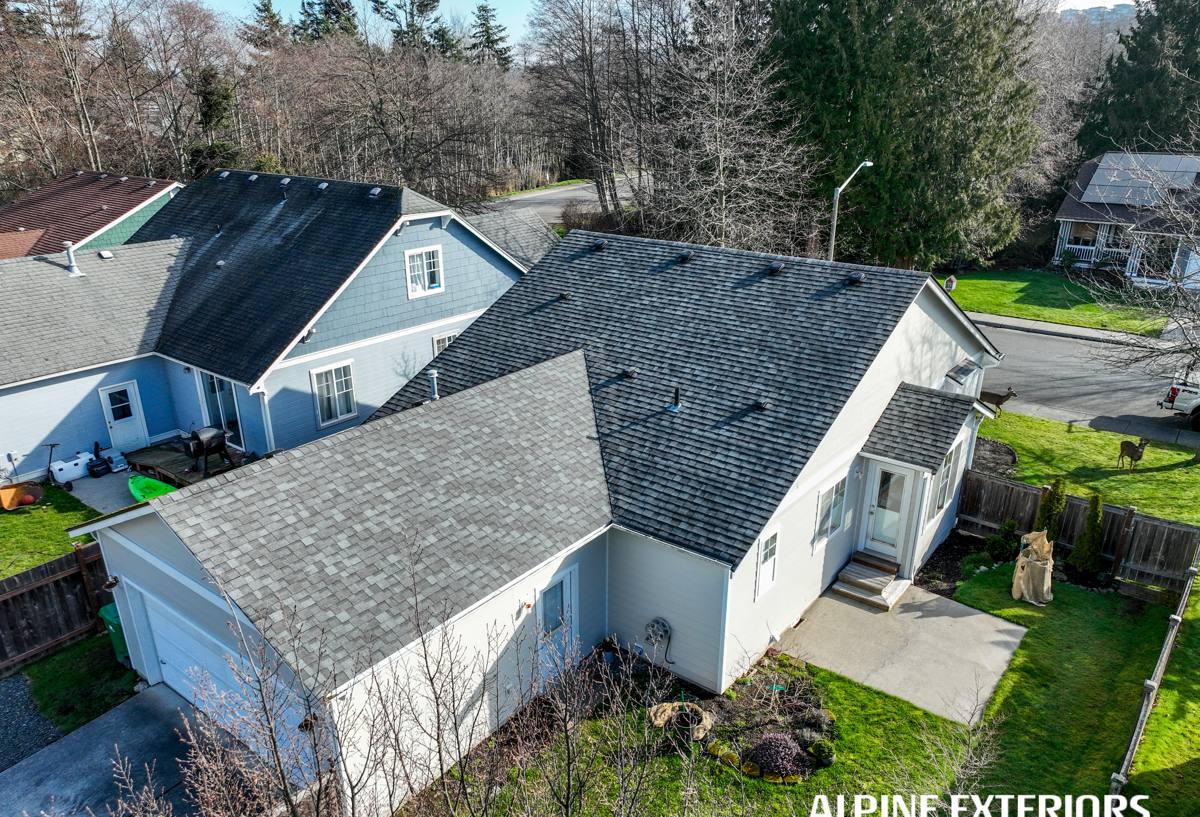
Signs a Repair Won't Cut It Anymore
Plenty of roof problems can be repaired — a cracked pipe boot, a handful of lifted shingles after a storm, a small flashing leak. Replacement becomes the honest recommendation when the roof's underlying materials have aged out, not just when there's visible damage on the surface.
What we look for during an inspection
- Shingles that are cupping, curling, or losing granules across large sections rather than in one isolated spot
- Soft decking or sagging rooflines, which usually means moisture has already reached the wood underneath
- Multiple past repairs in different areas — a sign the whole roof is aging out at once
- Visible daylight or staining in the attic, especially around valleys and penetrations
- A roof approaching or past its expected service life, particularly if it went through several hurricane seasons without an upgrade to current wind-rated materials
If a roof is otherwise sound and the damage is contained, we'll say so and recommend a repair instead. A full replacement is a bigger investment, and it should only happen when it's genuinely the right call.
What a Correct Roof Replacement Actually Involves
A roof replacement is more than swapping old shingles for new ones. Most roof failures we see in this area trace back to shortcuts taken in the layers homeowners never see once the job is done.
Tear-off and deck inspection
We remove the existing roofing material down to the deck rather than layering over it. That's the only way to actually see the condition of the plywood or OSB underneath, replace any sections that have soft spots or water damage, and confirm the deck is properly fastened before anything new goes on top.
Underlayment built for wind-driven rain
In a climate where storms regularly push rain sideways, the underlayment matters as much as the shingle on top of it. We use synthetic or self-adhering underlayment systems designed to handle wind-driven moisture, with correct overlap and sealing at every seam.
Flashing and penetrations
Valleys, chimneys, skylights, and vent pipes are where the majority of leaks start. Flashing has to be properly lapped, sealed, and tied into the underlayment — not just caulked over old material.
Fastening for wind resistance
Nail pattern, nail length, and fastener spacing all affect how a roof performs in high wind. We follow the fastening schedule required for the wind zone and roof type, not just a generic minimum.
Ventilation
A roof that can't breathe traps heat and moisture in the attic, which shortens shingle life and can lead to wood rot. Proper intake and exhaust ventilation is part of a correct replacement, not an optional add-on.
Roofing Material Options for Manatee County Homes
There's no single "best" roofing material for every home — it depends on the roof's slope, the home's structure, the budget, and how long the owner plans to stay in the house. Here's how the common options compare for this climate.
| Material | Typical Lifespan Here | Wind/Storm Performance | Maintenance |
|---|---|---|---|
| Architectural asphalt shingle | 18–25 years | Good, when installed with correct fastening and wind-rated shingles | Low; periodic inspection |
| Standing seam metal | 40–50+ years | Excellent; performs well in high wind and heavy rain | Very low |
| Concrete or clay tile | 40–50+ years | Strong when properly fastened, but individual tiles can crack from impact | Moderate; occasional tile replacement |
| 3-tab asphalt shingle | 12–18 years | Lower wind resistance than architectural shingles | Low |
We install and stand behind the systems above based on the manufacturer's published performance data and our own installation standards. We steer homeowners away from certain lower-cost tile or shingle combinations when the manufacturer's warranty structure or moisture-management design doesn't hold up well under repeated wind-driven rain — that's a maintenance and longevity call, not a knock on any single product line.
Our Roof Replacement Process
- On-site inspection and estimate. We walk the roof, check the attic, and give a written estimate with no pressure to sign on the spot.
- Material selection. We go over the options above in the context of your home's structure and budget, including wind-rating requirements.
- Permitting. We pull the required Manatee County building permit before work starts — this isn't optional, and it protects you if there's ever an insurance question down the road.
- Tear-off and deck repair. Old roofing comes off, the deck gets inspected, and any damaged sections are replaced.
- Underlayment, flashing, and ventilation installation. Every layer goes in to spec before the finish material is installed.
- Finish roofing installation. Shingles, metal panels, or tile go on following the fastening schedule for the wind zone.
- Final inspection and cleanup. We do our own quality walk-through, coordinate the county inspection, and clear the site of debris and nails.
Permits, Wind Codes, and Insurance
Florida's building code has gotten more specific about wind resistance since the major hurricanes of the past couple of decades, and Manatee County enforces those requirements through the permitting process. A permitted, code-compliant roof replacement matters for more than passing inspection — it's often tied directly to your homeowner's insurance premium and your ability to file a clean claim after a storm.
Ask any contractor bidding your roof whether they pull permits themselves and whether the materials they're quoting meet the current wind-rating requirement for your area. If the answer is vague, that's worth taking seriously before you sign anything.
What Affects the Cost of a Roof Replacement
| Factor | Why It Matters |
|---|---|
| Roof size and pitch | More surface area and steeper slopes mean more material and labor time |
| Material choice | Metal and tile cost more upfront than asphalt shingle but last significantly longer |
| Deck condition | Rotted or soft decking found during tear-off adds material and labor to repair before new roofing goes on |
| Number of penetrations | Chimneys, skylights, and vents each require additional flashing work |
| Layers being removed | Roofs with multiple existing layers take longer and cost more to tear off |
We give a firm, itemized estimate after the inspection rather than a rough number over the phone — too many of these factors can't be judged accurately without getting on the roof first.
Why Hiring a Crew That Already Works in Ellenton Matters
A roofing crew that regularly works Ellenton and the surrounding Bradenton area already knows what Manatee County's permitting office expects, which wind-rating documentation local insurers ask for, and how the area's storm history has shaped what actually holds up long-term versus what looks fine for the first few years. That local familiarity shortens the permitting process, reduces surprises during inspection, and means the crew has already seen how different materials perform through real Gulf Coast weather — not just on a spec sheet.
It also means accountability. A contractor working near their own base of operations has every reason to stand behind the work, because they're not driving in from out of the area for a one-time job.
Protecting Your Investment After Installation
A correctly installed roof still benefits from basic upkeep, especially given how hard this climate is on roofing materials.
- Have the roof visually inspected after any major storm, even if you don't see obvious damage from the ground
- Keep gutters and valleys clear of debris so water isn't pooling against flashing
- Trim back overhanging branches that can drop debris or hold moisture against the roof surface
- Check attic ventilation isn't blocked by insulation or storage
- Address small issues — a lifted shingle, a loose fastener — before the next rainy season rather than after
If your Ellenton roof is showing its age or you're planning ahead for hurricane season, we're happy to take a look and give you an honest read on where things stand. The estimate is free, there's no pressure, and you can use the form below to get started.