 Bradenton Siding
 Building Decks for a Barrier Island Climate
Holmes Beach sits on Anna Maria Island, a narrow barrier island in Manatee County where homes take on more weather exposure than a typical inland lot in Bradenton. A deck here isn't just an outdoor living space — it's a structure that has to survive salt-laden air, near-constant UV exposure, wind-driven rain, and the occasional direct hit from a tropical system. Materials and construction details that work fine forty miles inland can fail within a few seasons on the island.
We build custom decks for homeowners throughout the Bradenton and Anna Maria Island area, and Holmes Beach jobs get planned differently from the start. That means choosing decking, fasteners, and framing methods that are rated for the conditions this specific location throws at them, not just what's cheapest at the local supply yard.
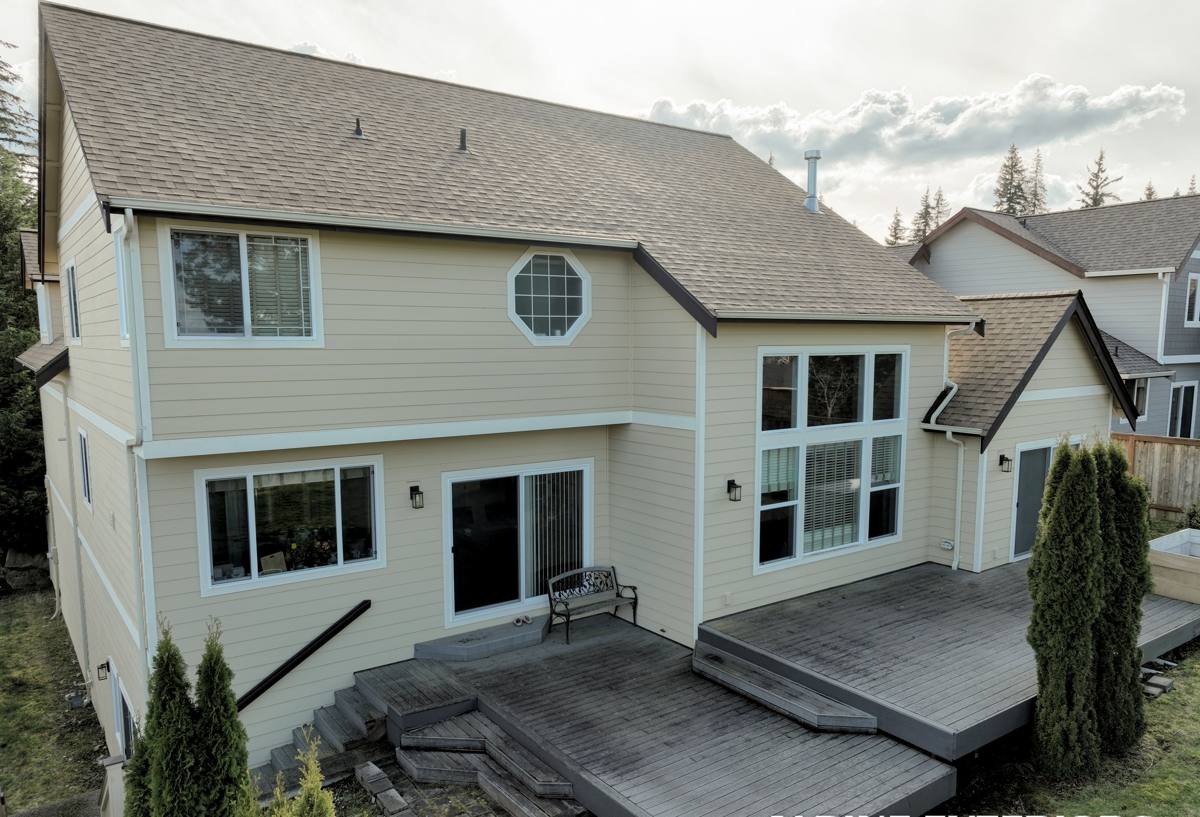
What Holmes Beach's Climate Does to an Ordinary Deck
Salt Air and Corrosion
Because Holmes Beach is surrounded by Gulf and bay water, airborne salt settles on every exposed surface. Standard galvanized fasteners, uncoated aluminum railing components, and cheaper hardware corrode faster here than almost anywhere else in Manatee County. Once a fastener starts rusting, it weakens the connection long before the decking itself shows any wear.
Intense, Year-Round UV
Florida sun doesn't let up in the winter the way it does farther north, and a deck on the island gets full exposure most days. UV breaks down the surface fibers of lower-grade composite decking, dries out and grays untreated wood, and fades railing finishes. A deck built without UV-stable materials looks tired within two or three years instead of ten or more.
Wind-Driven Rain and Standing Water
Storms here rarely come straight down. Wind-driven rain gets pushed sideways and underneath decking boards, into ledger connections, and around post bases. If drainage, flashing, and board spacing aren't handled correctly, water sits where it shouldn't and starts rotting framing or corroding hardware from the inside, where you won't see it until it's already a problem.
Hurricane-Force Wind Loads
Manatee County's building code accounts for hurricane wind exposure, and a deck attached to your home has to resist uplift and lateral loads, not just hold up a grill and a few chairs. Undersized ledger connections and light-duty joist hangers are a common failure point in wind events.
What a Correctly Built Deck Requires in This Location
Framing and Fasteners
We frame with fasteners and connectors rated for coastal exposure — typically stainless steel or heavy-duty coated hardware — rather than the standard galvanized fasteners used on inland builds. Joist hangers, hurricane ties, and structural screws all need to match the exposure category, not just the framing lumber grade.
Ledger Attachment and Waterproofing
The ledger board, where the deck attaches to your house, is the single most important structural connection on most deck builds and also the most common source of water intrusion. Proper flashing and a waterproof membrane behind the ledger keep wind-driven rain from working its way into your home's structure over time.
Footings, Posts, and Elevation
Many homes on Anna Maria Island are elevated on pilings because of flood zone requirements, and a deck built off an elevated home needs post heights, bracing, and connections engineered for that structure — it's a different job than a ground-level patio deck on a slab. Footing depth and post spacing also have to account for the sandy, well-draining soil common on the island, which behaves differently than inland clay or fill soil.
Design and Layout for Waterfront or Elevated Lots
Many Holmes Beach properties sit on canals, near the bay, or well above grade, and those conditions shape the deck design more than they would on a typical inland lot. Multi-level decks connecting an elevated home to the yard need stair runs and landings sized correctly for the height involved, with railings that meet code at every level, not just the top. Waterfront lots also call for extra attention to how the deck sheds runoff away from the water, and railing height and spacing have to hold up to wind loads that tend to run higher near open water than they do a few blocks inland.
Shade and orientation matter too. A west- or south-facing deck on the island gets strong afternoon sun for most of the year, and plenty of homeowners end up adding a pergola, shade sail, or covered section after the fact because the open deck turned out to be uncomfortable to use midday. It's worth planning for shade at the design stage rather than retrofitting it later.
Choosing Decking Material for a Coastal Property
There's no single right decking material for every home, but some options handle Holmes Beach's combination of salt, sun, and moisture better than others. Here's how the common choices compare for a barrier island property:
| Material | Moisture & Salt Resistance | UV/Fade Resistance | Maintenance | Typical Lifespan |
|---|---|---|---|---|
| Capped composite | Very good — sealed outer layer resists moisture intrusion | Good, especially cap-stock products | Low — periodic washing | 25-30+ years |
| PVC decking | Excellent — no wood fiber to absorb moisture | Good to very good | Low | 25-30+ years |
| Pressure-treated pine | Fair — needs sealing and reapplication | Poor without regular finish | High — annual sealing recommended | 10-15 years in this climate |
| Tropical hardwood | Good natural density but still needs finish maintenance | Fair without oiling | Moderate to high | 15-25 years with upkeep |
Composite and PVC decking cost more upfront than pressure-treated wood, but on a barrier island property the maintenance savings and longer service life usually make up the difference over time. We'll walk through the real trade-offs for your budget and how the deck will be used, rather than pushing one product line as a default.
Railings, Hardware, and Fasteners That Hold Up
Railing failures on coastal decks almost always trace back to corroded connections rather than the railing material itself. For Holmes Beach projects we favor:
- Stainless steel fasteners and structural screws at every framing and railing connection point
- Aluminum or vinyl-coated railing systems that don't rely on painted finishes to resist corrosion
- Cable or glass rail hardware rated specifically for marine or coastal environments
- Hidden fastener systems for decking boards, which reduce the number of exposed metal points that can corrode and stain the surface
Standard hardware bought off the shelf at a big-box store is rarely rated for this level of salt exposure, even when it looks similar to the coastal-rated version at a glance.
Permitting and Code Considerations in Manatee County
Deck construction in Holmes Beach requires a building permit, and inspections check structural connections, footing depth, and railing height and spacing, among other items. Because much of Anna Maria Island falls within flood zone boundaries, some projects also involve additional review depending on the home's elevation and the deck's design. Island communities also often layer their own deed restrictions or architectural guidelines on top of county requirements, and we factor those in before anything goes in for permit review. We handle the entire permitting process as part of the job, so you're not the one tracking down requirements or scheduling inspections yourself.
How We Handle a Custom Deck Project
- Site visit and design. We look at your home's structure, elevation, sun and wind exposure, and how you actually want to use the space before recommending a layout or material.
- Material and hardware selection. We go over the trade-offs between decking materials and hardware options honestly, including cost, maintenance, and expected lifespan for this specific location.
- Permitting. We prepare and submit the permit package and coordinate the required inspections with Manatee County.
- Construction. Framing, ledger attachment, footings, decking, and railing installation, built to the wind and moisture exposure standards this location calls for.
- Final walkthrough. We go over the finished deck with you, including basic care and what to watch for over the first year.
Keeping a Coastal Deck in Good Shape
Even a well-built deck needs some ongoing attention in this climate. A simple seasonal routine goes a long way:
- Rinse salt residue off decking, railings, and hardware every few weeks, more often after storms
- Check fastener heads and railing connections annually for early signs of corrosion
- Keep gutters and roof drainage clear so runoff doesn't pool against ledger connections
- Reseal wood decking on the manufacturer's recommended schedule — don't wait until it looks dry and gray
- Have framing and footings inspected after any major storm event, even if the surface looks fine
Why Local Experience Matters for This Job
A deck built to generic specs, or by a crew unfamiliar with barrier island conditions, tends to show problems within a few years — corroded fasteners, soft spots near the ledger, railing that's already chalky and faded. We work throughout the Bradenton area and on Anna Maria Island regularly enough to know which hardware, connection details, and materials actually hold up here, not just what's listed as adequate on a spec sheet written for a different climate. That local knowledge is the difference between a deck that needs real repairs in five years and one that's still solid in twenty.
If you're planning a new deck or replacing one that hasn't held up to the island's weather, we're happy to take a look and put together a straightforward, no-pressure estimate. Use the form below to get started.