 Bradenton Siding
 Siding Installation for Holmes Beach's Barrier Island Conditions
Holmes Beach sits on Anna Maria Island, a narrow barrier island in Manatee County surrounded by the Gulf of Mexico on one side and Sarasota Bay on the other. That location is exactly what makes the neighborhood beautiful — and exactly what makes it one of the hardest environments in our service area for exterior siding to survive. Homes here take a direct, near-constant dose of salt-laden air, intense reflected sun off the water, wind-driven rain, and, during storm season, some of the highest sustained wind loads anywhere in Manatee County.
Siding installation on a barrier island isn't the same job as siding installation ten miles inland. The materials, fastening schedules, flashing details, and sequencing all have to account for a coastal exposure that will find every shortcut a crew takes. This page covers what a correct siding installation looks like for a Holmes Beach home, what the local climate demands of the work, and why we recommend a single product system for it.
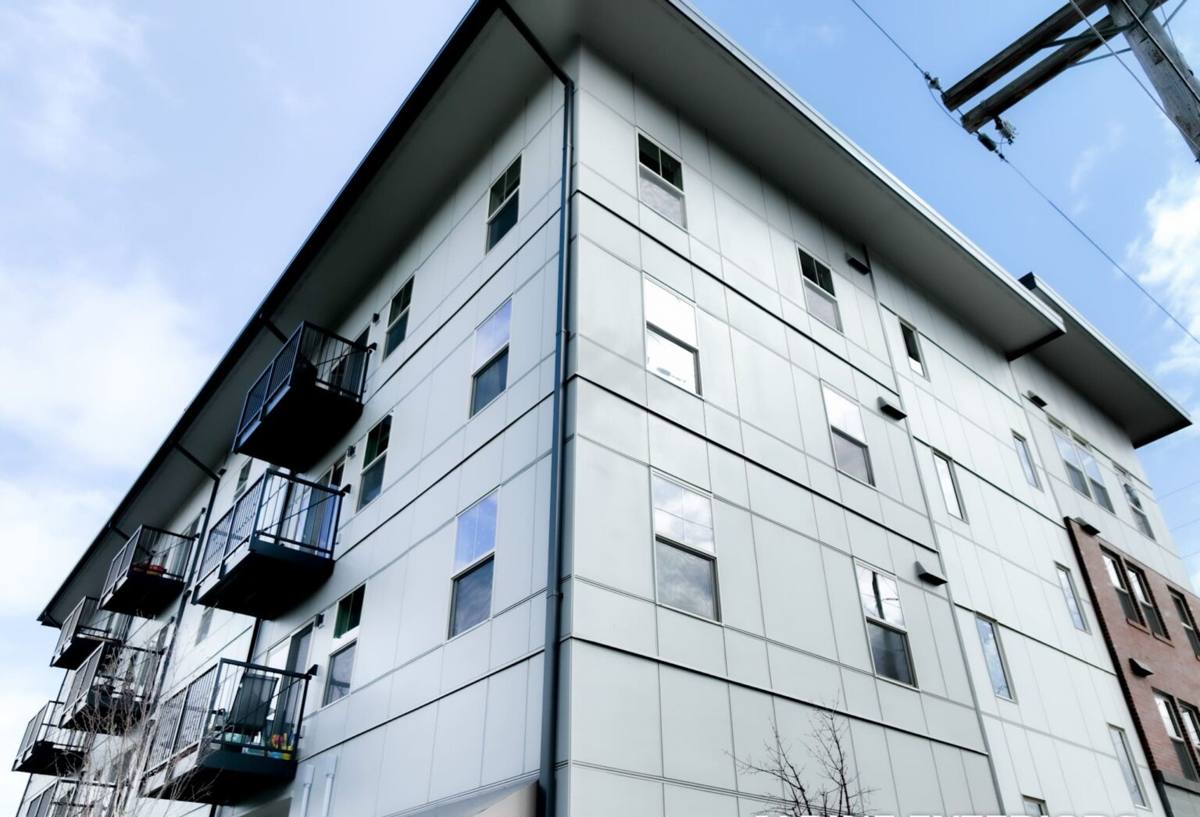
What the Holmes Beach Climate Actually Does to Siding
Salt Air and Corrosion
Airborne salt doesn't just sit on the surface of a wall — it works into fasteners, trim seams, and any exposed cut edge of siding material. Over years, salt exposure accelerates corrosion in poor-quality fasteners, degrades caulk and sealants faster than the same products would wear inland, and speeds up fading and chalking on siding that isn't formulated to resist it.
Constant UV and Reflected Glare
Gulf-front and near-Gulf homes get direct sun plus reflected glare off the water for most of the day, year-round. Paint-grade siding and lower-grade factory finishes fade and chalk noticeably faster under this kind of exposure than the same product would a few miles inland.
Wind-Driven Rain Intrusion
Holmes Beach's exposure means rain rarely falls straight down — it drives sideways into wall assemblies during storms and even routine summer squalls. Siding that isn't lapped, flashed, and fastened correctly gives that wind-driven rain a path behind the cladding, where it causes rot, mold, and sheathing damage long before anyone notices a problem from the street.
Hurricane and Tropical Storm Wind Loads
Manatee County's coastal areas fall within Florida's wind-borne debris region under the Florida Building Code, which sets minimum requirements for wind resistance and impact protection on exterior construction. Barrier island homes like those in Holmes Beach see some of the highest practical wind exposure in the county because there's no inland buffer — the wind comes straight off open water.
Why We Install Only James Hardie Fiber Cement Here
We standardized this company on James Hardie fiber cement siding, and we don't install vinyl, LP SmartSide, Allura, Cemplank, or unfinished wood siding on any home — Holmes Beach included. On a barrier island, that decision matters more than almost anywhere else we work.
- Non-combustible material: fiber cement doesn't contribute fuel to a fire the way wood-based or vinyl products can.
- Engineered for coastal exposure: James Hardie's HZ5 product line is specifically engineered for hot, humid, high-moisture climates like Gulf Coast Florida, rather than a general-purpose product used everywhere in the country.
- ColorPlus factory finish: a baked-on finish applied under controlled factory conditions holds color and resists fading and chalking far better than field-applied paint, which matters under Holmes Beach's constant sun and salt exposure.
- Dimensional stability: fiber cement doesn't expand, contract, or warp with humidity swings the way wood-based products can, which keeps seams and fastener lines tight over time.
- Strong transferable warranty: James Hardie backs its products with a warranty structure that holds up when the installation is done to their specifications — which is a large part of why correct installation practice matters so much.
We're honest about this: fiber cement costs more upfront than vinyl and requires a crew that knows how to handle and fasten it correctly. On a barrier island where siding takes this much abuse, we think that trade-off is worth it, and it's the only system we put our name behind.
What a Correct Installation Involves
The product is only half the equation. A Hardie installation done wrong will still fail early — and on a barrier island, "early" can mean a few storm seasons instead of a couple of decades. Correct installation includes:
- A weather-resistant barrier installed and lapped correctly behind the siding, with all penetrations properly sealed
- Flashing at every window, door, and roofline transition, directed to shed water outward rather than trap it
- Fastener type, spacing, and embedment that match James Hardie's published specifications for the wind zone and exposure category
- Correct clearance between the bottom of the siding and grade, roofing, decks, and other surfaces to prevent standing water and wicking
- Properly caulked and primed cut edges wherever field cuts expose the substrate
- Attention to expansion gaps at joints and trim, since fiber cement still needs room to move seasonally even though it's dimensionally stable
Skipping any one of these doesn't show up on day one. It shows up two or three years later as a stained seam, a soft spot near a window, or premature fading in one section of wall — and by then it's a repair job instead of a five-minute fix during installation.
Our Process for a Holmes Beach Siding Installation
1. On-Site Assessment
We walk the property, check the condition of the existing siding and sheathing, and look at exposure factors specific to the lot — how close it sits to open water, prevailing wind direction, and any areas already showing salt or moisture damage.
2. Tear-Off and Substrate Check
Old siding comes off and we inspect the sheathing underneath before anything new goes on. On a barrier island, this step catches hidden moisture damage that's common but not always visible from outside.
3. Weather Barrier and Flashing
We install or repair the weather-resistant barrier and flash all penetrations before the first piece of siding goes up. This is the step that determines whether wind-driven rain stays out of the wall assembly.
4. Installation to Manufacturer Spec
Siding, fasteners, and trim go in following James Hardie's installation instructions for the local wind zone and climate exposure — not a generic, one-size-fits-all approach.
5. Final Detailing and Walkthrough
Caulking, paint touch-up on cut edges, and a final walkthrough with the homeowner close out the job. We point out anything worth knowing for future maintenance before we leave.
Why a Local Crew Matters on a Barrier Island
Working in Holmes Beach isn't logistically identical to working in mainland Bradenton. Bridge and causeway access, tighter lots, and barrier-island staging constraints all affect how a job gets planned and sequenced. A crew that already works this island knows how to schedule material deliveries, manage site access, and plan around the practical realities of an island job site without it turning into wasted time on the homeowner's clock.
Just as important, a crew with real barrier-island experience has already seen how salt air, sun, and storms affect siding installed correctly versus siding installed as an afterthought. That experience shows up in the small decisions — fastener choice, flashing details, where to add an extra bead of sealant — that separate a Holmes Beach installation built to last from one that looks fine for the first year or two.
Cost Factors for a Holmes Beach Siding Installation
Every home is different, but these are the main factors that move the scope and cost of a siding installation on a barrier island property:
| Factor | Why It Matters in Holmes Beach |
|---|---|
| Home size and wall complexity | More linear footage, corners, and trim details mean more labor and material |
| Condition of existing sheathing | Salt-air and moisture damage found during tear-off can require sheathing repair before siding goes back on |
| Proximity to open water | Direct Gulf or bay-front exposure calls for closer attention to flashing and fastener detail than a more sheltered lot |
| Access and staging | Tight barrier-island lots and bridge access can affect delivery scheduling and equipment staging |
| James Hardie product and color selection | Panel profile, plank width, and ColorPlus color all factor into material cost |
| Trim and accent work | Fascia, soffit, and trim packages add scope beyond the flat wall siding itself |
Signs Your Holmes Beach Home May Need New Siding
- Visible fading, chalking, or color inconsistency across wall sections
- Warping, buckling, or soft spots when pressed by hand
- Cracked, split, or missing sections after storm events
- Persistent staining near seams, corners, or window trim
- Rising energy bills that suggest the wall assembly is no longer sealing properly
- Visible gaps or separation at seams and trim joints
Maintaining Fiber Cement Siding in a Salt Air Environment
James Hardie siding installed correctly needs less maintenance than most alternatives, but a barrier island environment still calls for some routine attention. A periodic rinse to remove salt residue, a visual check of caulk lines and trim after storm season, and prompt attention to any impact damage all go a long way toward getting the full service life out of the installation. None of this replaces correct installation — it just protects the investment once the work is done right.
If your Holmes Beach home is due for new siding, we're happy to take a look and give you a straightforward, no-pressure estimate based on what your home actually needs — not a generic package. Use the form below to get started.