 Bradenton Siding
 Coastal Living Comes With a Different Kind of Roof Wear
Bradenton Beach sits right on the water, and that location shapes everything about how a roof ages here. A roof in this part of Manatee County isn't dealing with just one stressor — it's dealing with several at once, all year, without a break. Hurricane-force winds during storm season can lift shingles and tiles or drive rain sideways underneath flashing that would stay dry anywhere inland. Between storms, constant salt-laden air corrodes exposed fasteners, flashing, and metal components faster than manufacturers' warranties usually account for. Add in some of the most intense, sustained UV exposure in the continental U.S., and you get roofing materials that dry out, curl, and lose their protective granules well ahead of their rated lifespan.
None of this means a roof on Bradenton Beach is doomed to constant problems. It means repairs here have to account for conditions the material wasn't necessarily tested under in a lab, and it means small issues get worse faster if they're ignored. A pinhole in flashing that might sit quiet for a year in a drier climate can turn into a soaked deck in a single wind-driven rain event here. That's the backdrop for every repair job we do in this neighborhood — we're not just patching a hole, we're restoring a system that has to keep holding up against wind, salt, and sun at the same time.
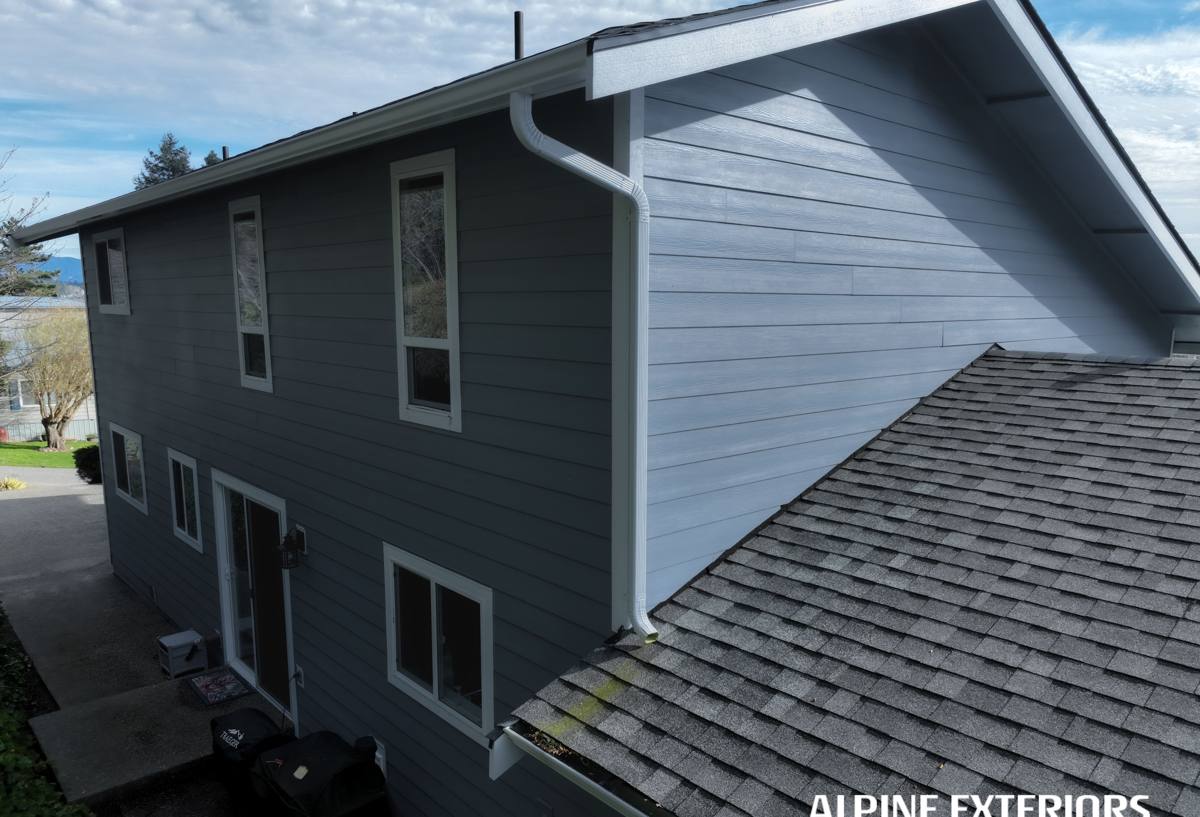
Early Warning Signs You Shouldn't Ignore
Most roof failures don't happen suddenly. They start small, and on a barrier island climate they tend to progress quicker than homeowners expect. Catching these signs early is usually the difference between a straightforward repair and a much larger project.
- Shingles that are curling, cracking, or missing entirely, especially after a windstorm
- Granules collecting in gutters or at the base of downspouts
- Cracked, slipped, or displaced roof tiles
- Rust streaks around nail heads, flashing, or metal roof panels
- Soft or spongy spots when walking the roof deck (a sign of trapped moisture)
- Water stains on interior ceilings or upper walls, even faint ones
- Lifted or separated flashing around chimneys, skylights, or roof-to-wall joints
- Visible daylight through the attic decking or soffits
- A musty smell in the attic, which often points to trapped moisture before you can see it
Any one of these on its own might not mean an emergency, but on a home this close to the water, we'd rather take a look sooner than later. Salt air accelerates corrosion in ways that aren't always visible from the ground.
What Separates a Real Repair From a Quick Patch
There's a difference between a repair that solves the actual problem and one that just covers the symptom for a while. We see both kinds of past work when we get up on a roof, and the difference usually comes down to three things: what's happening at the flashing, what condition the underlayment is in, and whether the decking underneath is still sound.
Flashing First
Most roof leaks don't start in the field of the roofing material itself — they start at transitions: where a roof meets a wall, where a pipe or vent penetrates the surface, around chimneys, and at valleys where two roof planes meet. A repair that replaces the visible shingles or tiles but leaves compromised flashing underneath will leak again, often in the exact same spot. We treat flashing condition as the first thing to check, not an afterthought.
Underlayment Matters More Than People Think
The underlayment is the water-resistant barrier beneath your shingles or tiles, and it's your roof's last line of defense if the surface material is ever compromised in a storm. On a coastal repair, we check underlayment condition around the repair area, not just the surface layer, because UV-degraded or storm-damaged underlayment will let water through even when the visible roofing looks intact.
Decking Has to Be Solid
If moisture has been getting into the deck for a while, sections of plywood or board sheathing can soften and lose structural integrity. Fastening new material to compromised decking doesn't hold, and it doesn't stop the underlying rot from spreading. Any competent repair includes a real check of deck condition in the affected area, not just a visual glance from the ground.
Common Roof Repair Issues We See on Bradenton Beach Homes
The right repair approach depends heavily on what your roof is made of and what's actually failing. Here's how we typically approach the most common issues by roofing type in this area.
| Roof Type | Common Coastal Issue | Typical Repair Approach |
|---|---|---|
| Asphalt Shingle | UV-driven granule loss, wind-lifted or missing shingles, nail pop-through | Section replacement with matching shingles, re-securing lifted edges, sealing exposed fasteners |
| Concrete or Clay Tile | Cracked or slipped tiles, deteriorated underlayment beneath intact tiles | Careful tile removal and reset, underlayment repair or replacement in the affected run, tile replacement to match existing profile |
| Metal Roofing | Fastener corrosion, seam separation, panel oil-canning from thermal cycling | Fastener replacement with corrosion-rated hardware, seam resealing, panel realignment or section replacement |
| Low-Slope / Flat Sections | Membrane seam failure, ponding water, flashing separation at walls | Seam re-welding or patching, drainage correction, flashing rebuild at transitions |
Our Roof Repair Process
We keep the process straightforward because homeowners deserve to know exactly what's happening on their roof and why.
- Inspection. We get on the roof, not just look from the ground, and check the problem area along with flashing, decking, and any spots that commonly fail nearby.
- Honest assessment. We tell you what we found, what's causing it, and whether it's an isolated repair or a sign of broader wear. If a repair genuinely isn't the right call, we'll say so.
- Clear scope and pricing. You get a written explanation of the work before anything starts — no vague line items.
- Repair work. We address the root cause: flashing, underlayment, decking, and surface material, in that order of priority, matching materials to what's already on your roof wherever possible.
- Cleanup and final check. We clear debris, check for loose fasteners or displaced material nearby, and confirm the repair area is sealed and secure before we leave.
Repair or Replace? Making the Right Call
Not every roof problem calls for a full replacement, and not every repair is a good long-term investment. We'll walk you through the honest trade-offs based on what we actually find, not a sales script.
| Factor | Repair Usually Makes Sense | Replacement Usually Makes Sense |
|---|---|---|
| Roof Age | Well within expected service life for the material | Near or past the material's typical lifespan, especially under coastal conditions |
| Extent of Damage | Isolated to one area, valley, or penetration | Spread across multiple sections or recurring in different spots |
| Decking Condition | Solid, dry, structurally sound | Soft, delaminated, or rotted in multiple areas |
| Storm History | Single event, isolated impact | Cumulative wind and impact damage over several storm seasons |
| Underlayment Condition | Intact beneath the surface material | Widely degraded from UV or age, even where the surface still looks okay |
We'd rather do a smaller, correct repair on a roof that has good years left in it than talk you into a replacement you don't need. We'd also rather tell you plainly when a repair would just be a short-term fix on a roof that's genuinely at the end of its service life.
Materials, Building Code, and Wind Considerations
Repairs on a Manatee County home aren't just about matching what's there — they need to hold up to Florida Building Code wind requirements for this area, and they need to actually perform in the next storm, not just pass an inspection. That means using fasteners and flashing rated for coastal corrosion resistance, not the standard hardware that might be fine inland. It means securing shingle or tile courses to current wind-resistance standards even when we're only replacing a section, so the repaired area doesn't become the weak point in an otherwise sound roof. And it means being thoughtful about material compatibility — mixing incompatible metals in flashing repairs, for example, can cause galvanic corrosion that creates a new leak point within a year or two, something that's a bigger risk this close to salt water.
If your home has a wind mitigation inspection on file, we'll work within what's already documented rather than doing anything that could jeopardize your existing rating or insurance discounts. If you don't have one, a quality repair job is a reasonable time to ask us about what your roof's current wind-resistance features actually are.
Why a Crew That Already Works This Island Matters
Bradenton Beach roofs face a specific combination of exposure, wind direction, and salt content that differs even from other parts of the greater Bradenton area. A crew that regularly works barrier island homes knows which flashing details tend to fail first in this exposure, which fastener grades actually hold up here versus which ones look fine for a year and then corrode, and how storm patterns off the Gulf tend to stress a roof from specific directions. That local pattern recognition matters — it's the difference between a repair that addresses today's leak and one that also accounts for the next storm season.
It also matters for response time. When wind-driven rain finds a weak spot during a storm, having a contractor who's already familiar with your street, your roof type, and typical access on the island means less time spent figuring things out and more time actually stopping water intrusion.
Protecting Your Roof Between Repairs
A repair fixes the immediate problem, but a little ongoing attention keeps small issues from becoming repair calls in the first place. This is especially true in a salt-air, high-UV environment where materials age faster than average.
- Have gutters and downspouts cleared regularly so water isn't sitting against roof edges or fascia
- Walk the perimeter after any significant storm and look for displaced shingles, tiles, or debris on the roof
- Check the attic once or twice a year for staining, moisture, or daylight around penetrations
- Rinse accumulated salt residue off metal roofing and flashing periodically, especially after long dry spells followed by rain
- Trim back tree limbs that overhang the roof to reduce abrasion and debris buildup
- Schedule a professional inspection after any named storm that brought sustained high winds to the area
None of this replaces a professional inspection, but it does mean small problems get caught by you before they turn into interior damage.
Get an Honest Look at Your Roof
If you're seeing any of the warning signs above, or it's just been a while since your roof was checked after a storm, we're happy to take a look. We'll give you a straightforward assessment of what's going on, what it would take to fix it correctly, and what it would cost — no pressure, no upsell, just an honest read on your roof's condition. Use the form below to request a free estimate.