 Bradenton Siding
 Building a Deck That Actually Holds Up in Rosedale
Rosedale sits inland from the coast, but "inland" in Manatee County doesn't mean sheltered. A deck built here still has to survive full Florida sun for most of the year, sudden downpours that dump an inch of rain in twenty minutes, and the occasional tropical system that turns a weekend project into a structural liability if it wasn't built right the first time. We've seen decks in this area fail in two very different ways: either the wood or composite surface looks tired within a few years because it was never sealed or spaced correctly, or the structure underneath was undersized and starts to sway, squeak, or pull away from the house long before the surface shows any wear.
A deck built for Rosedale needs to do three things well: shed water fast, resist UV breakdown on every exposed surface, and stay anchored through wind events without loosening at the ledger board or footings. That's not a different set of skills than building a deck anywhere else in Florida — it's the same job done with the right attention to the details that actually matter here.
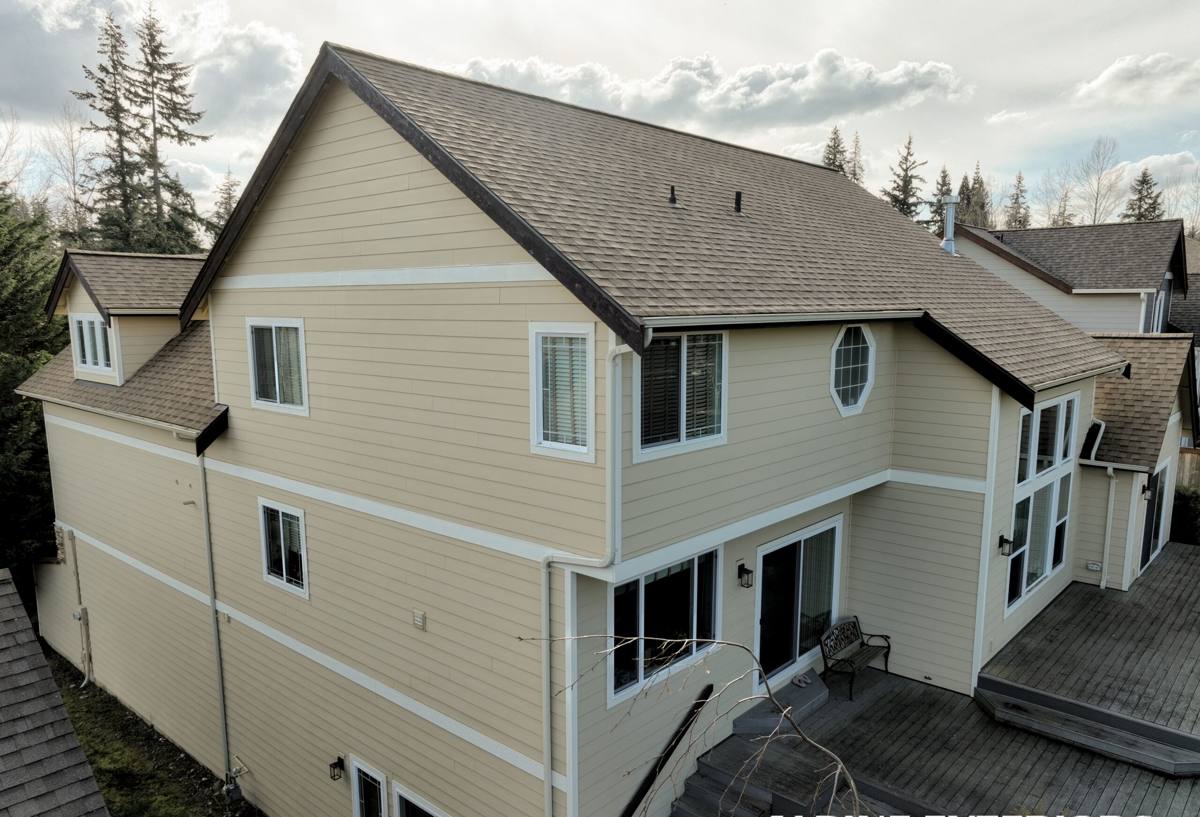
What Rosedale Properties Typically Need From a Deck
Many Rosedale lots back up to ponds, preserve areas, or open green space, which is part of what makes outdoor living space appealing here in the first place — but it also means decks are often built close to grade changes, drainage swales, or irrigation easements. Before we design anything, we look at how water actually moves across the lot, not just where the deck will sit. A deck that traps runoff against the house foundation, or that blocks a drainage path the county or the HOA expects to stay open, creates problems well beyond the deck itself.
If your property is part of an HOA or deed-restricted community, there's usually a design review process for exterior additions, including decks — setbacks, height, and sometimes material or color approval. We handle that step as part of the project rather than leaving it for the homeowner to sort out after the fact.
Common starting points we see
- Replacing an aging wood deck that's cupping, splintering, or has soft spots near the ledger
- Adding a deck off a lanai or sliding door to extend usable outdoor space
- Upgrading an undersized or improperly fastened deck built by a previous owner or a handyman crew
- Building new decking around a pool cage or screened enclosure
Decking Material Options for This Climate
There's no single "best" decking material — the right choice depends on budget, how much upkeep you're willing to do, and how the deck will be used. Here's how the common options actually perform under Bradenton sun and humidity, based on the trade-offs we see in the field, not marketing claims.
| Material | Upfront Cost | Maintenance | How It Handles Our Climate |
|---|---|---|---|
| Pressure-treated pine | Lowest | Annual sealing recommended | Prone to cupping and graying without regular sealing; UV and moisture cycling are hard on it |
| Tropical hardwood (ipe, cumaru) | High | Periodic oiling to maintain color | Naturally dense and rot-resistant; will silver over time if left unfinished, which some owners prefer |
| Capped composite | Mid-high | Low — occasional washing | Resists fading and moisture damage well; quality varies a lot by manufacturer and cap thickness |
| PVC decking | Highest | Lowest | Fully synthetic, doesn't absorb moisture; can run hotter underfoot in direct sun |
We install and stand behind a limited range of composite and PVC products rather than carrying every brand on the market. Cheaper composite boards with a thin cap layer are more prone to moisture intrusion at cut edges and fastener holes — a real issue in a climate with this much humidity and rain. We'd rather install fewer products well than manage warranty headaches on materials we don't trust in Florida conditions.
Structural Requirements That Matter Most Here
Footings and framing
Manatee County soil and water table conditions vary block to block, which affects how deep footings need to go and whether helical piles or poured concrete make more sense for a given lot. We don't guess on this — footing depth and spacing are engineered to the actual load and local code, not scaled off a generic deck plan.
Ledger attachment
The ledger board — where the deck ties into the house — is the single most common failure point we find on older or improperly built decks. It has to be properly flashed to keep water out of the house structure and lag-bolted (not just nailed) into solid framing. A poorly flashed ledger is a slow leak that can rot house framing long before anyone notices from outside.
Fasteners and connectors
Every fastener, joist hanger, and hurricane tie on an exterior deck should be corrosion-resistant hardware rated for exterior and, ideally, coastal-adjacent use. Standard interior-grade hardware corrodes fast in this humidity and salt-influenced air, and a corroded connector loses holding strength long before it looks obviously bad.
Permits and inspection
Deck construction in Manatee County requires a permit and inspection in nearly all cases — this isn't optional paperwork, it's the mechanism that confirms footings, framing, and attachment actually meet wind and load requirements. We pull permits and coordinate inspections as part of the job.
Our Deck Building Process
1. On-site assessment
We walk the property, check grade and drainage, look at the house's ledger attachment point, and talk through how you'll actually use the space.
2. Design and material selection
We put together a plan with sizing, material options, and a straightforward cost breakdown — no vague allowances that turn into surprise change orders.
3. Permitting
We handle the permit submission and any HOA documentation needed before work starts.
4. Construction
Footings and framing go in first and get inspected before decking is installed. Decking, fascia, and railing follow, with attention to board spacing for drainage and expansion.
5. Final walkthrough
We go over the finished deck with you, including what maintenance (if any) the material requires going forward.
Signs an Existing Deck Needs Attention
If you already have a deck in Rosedale, it's worth checking a few things before assuming a fresh coat of sealer will fix it. Soft or spongy boards near the house usually point to ledger or joist rot underneath, not just a surface problem. Visible rust streaking around fasteners is a sign the hardware is failing, even if the wood around it still looks fine. Noticeable movement or bounce when you walk across the deck, especially near the outer edge, often means undersized framing or footings that were never adequate for the span. Any of these is worth a real inspection rather than a patch job, since surface repairs won't fix a structural issue underneath.
Maintaining a Deck in Rosedale's Climate
How much maintenance your deck needs depends heavily on the material you chose, but a few habits apply across the board and go a long way toward protecting the investment.
- Sweep off leaves, pollen, and debris regularly so moisture doesn't sit trapped against the boards
- Check and reseal wood decking on a schedule appropriate to the product — don't wait until it's visibly gray and dry
- Rinse composite and PVC decking periodically to prevent mildew buildup in shaded or low-airflow areas
- Inspect railing posts and stair connections yearly for looseness, especially after storm season
- Keep gutters and downspouts near the deck clear so runoff isn't dumping directly onto or under it
- Walk the underside of the deck occasionally to check for hidden moisture damage or pest activity
Why Hire a Crew That Already Works in Rosedale
Deck building isn't just carpentry — it's carpentry that has to account for local soil conditions, county permitting requirements, HOA design review, and a climate that's genuinely harder on exterior structures than most of the country. A crew that already works in this part of Bradenton knows what Manatee County inspectors look for, knows how to work around the drainage patterns common on Rosedale lots, and has already seen which materials and fastening details hold up here versus which ones fail early. That local familiarity shows up in fewer surprises during the permitting process and a deck that's built to actually last through Florida summers and storm seasons, not just look good on installation day.
If you're planning a new deck or need an honest opinion on the condition of one you already have, we're glad to take a look. Request a free, no-pressure estimate using the form below and we'll walk the property with you.