 Bradenton Siding
 Why Rosedale Homes Have Different Window Needs Than Inland Florida
Rosedale sits close enough to Tampa Bay and the Gulf that its homes take on a different set of stresses than houses further inland in Manatee County. Salt-laden air moves through the area year-round, UV exposure is intense for most of the year, and during hurricane season the combination of sustained wind and wind-driven rain puts real pressure on any weak point in a home's exterior envelope. Windows are one of the largest weak points in that envelope — more glass area than almost any other component, and more moving parts than a wall or a roof section.
"Energy-efficient" in this context isn't just about a lower power bill, though that matters. It's about a window system that keeps performing — sealing out water, resisting wind pressure, and holding its glazing integrity — after years of Gulf Coast weather. A window that's efficient on day one but degrades quickly in salt air and UV isn't actually efficient over the life of the product. That's the standard we build to for Rosedale homes.
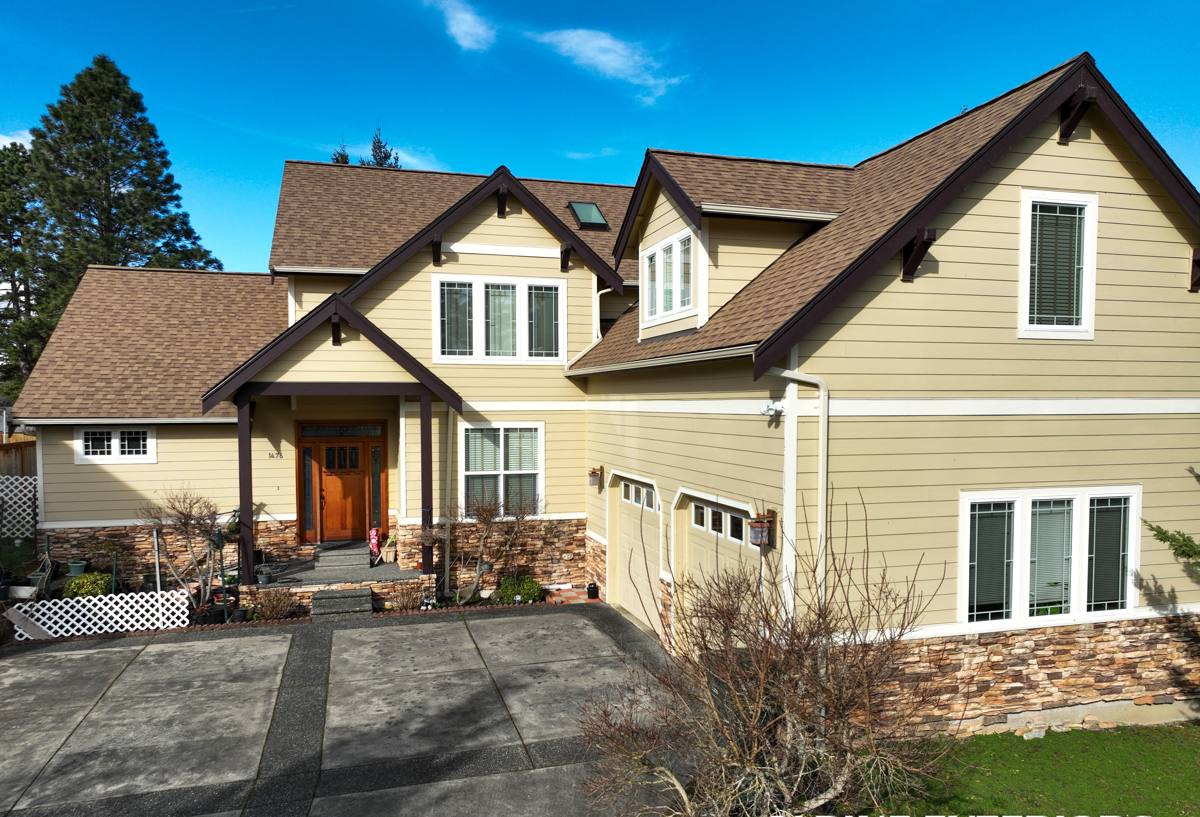
What Energy-Efficient Actually Means for This Climate
Window efficiency is measured by a few specific ratings, and in Bradenton's climate some matter more than others.
U-Factor
U-factor measures how much heat transfers through the window assembly — lower is better. In Florida, this matters most for keeping outside heat from working its way in during the hottest months, which reduces the load on your air conditioning system.
SHGC (Solar Heat Gain Coefficient)
This is arguably the more important number for a Gulf Coast home. SHGC measures how much solar radiation passes through the glass as heat. With Manatee County's intense, near-constant sun exposure, a low SHGC rating on west- and south-facing windows makes a noticeable difference in afternoon heat buildup and cooling costs.
Air Infiltration Rating
This measures how much air leaks through the window assembly under pressure. A tight rating here isn't just about comfort — it's directly tied to how well the window resists wind-driven rain intrusion during storms, which is one of the most common sources of water damage in coastal Florida homes.
Impact-Rated vs. Standard Windows: What We Recommend
Homeowners in Rosedale often ask whether they need impact-rated glass or whether standard energy-efficient windows with separate shutter protection are enough. Both approaches are legitimate, and the right choice depends on the home, the budget, and how the windows face prevailing wind and storm tracks. Here's how the two options generally compare:
| Factor | Impact-Rated Windows | Standard Windows + Shutters |
|---|---|---|
| Storm protection | Built into the glass; always in place | Requires deploying shutters or panels before a storm |
| Daily energy performance | Laminated glass adds UV and noise reduction year-round | Performance depends on the base window only |
| Upfront cost | Higher per opening | Lower window cost, added shutter cost |
| Maintenance | No separate hardware to store or maintain | Shutters/panels need storage, tracks, and upkeep |
| Insurance considerations | May qualify for wind-mitigation credits | Depends on shutter type and coverage |
We'll walk through both options honestly during an estimate rather than pushing whichever carries a bigger ticket. Some Rosedale homes are well-served by a hybrid approach — impact glass on the most exposed elevations and standard energy-efficient units with shutter backup elsewhere.
Frame Materials That Hold Up Near Salt Air
The frame matters as much as the glass in a coastal environment. Salt air accelerates corrosion in some materials faster than others, and UV exposure breaks down certain finishes over time.
- Vinyl: Won't corrode or rust, low maintenance, and generally the most budget-friendly efficient option. Quality varies significantly between manufacturers, so we're selective about which vinyl lines we install.
- Fiberglass: Very stable in heat and humidity, minimal expansion/contraction, and strong resistance to the elements. Typically a step up in cost from vinyl.
- Aluminum: Strong and slim-profile, but standard aluminum conducts heat readily and can be more prone to corrosion near the coast unless it carries the right coating and alloy spec. We're careful about which aluminum products we recommend this close to the water.
For most Rosedale homes, we lean toward vinyl or fiberglass frames from manufacturers with a documented track record in coastal Florida markets — not because other materials can't work, but because those two categories consistently give homeowners the lowest long-term maintenance burden for the investment.
How Our Window Replacement Process Works
1. On-Site Assessment
We start at the house, not a showroom. We look at each opening's exposure, existing frame condition, signs of past water intrusion, and how the home is oriented relative to sun and prevailing wind. This is where we figure out which openings genuinely need impact glass and which don't.
2. Precise Measurement
Every opening in an older Florida home is a little different, even within the same house. We measure each window individually rather than assuming uniformity — a window that's slightly out of square gets installed differently than one that isn't.
3. Product Selection
We go over frame material, glass package, and impact-rating options in plain terms, including realistic cost ranges, so you're deciding based on your home and budget rather than a sales script.
4. Removal and Opening Prep
Old windows come out carefully to avoid damaging the surrounding stucco or framing. We inspect the rough opening for hidden moisture damage or rot before anything new goes in — this is a step that gets skipped by installers in a hurry, and it's usually where future leaks come from.
5. Flashing and Waterproofing
This is the step that determines whether a window actually keeps water out during a wind-driven rain event. Proper flashing integration with the home's existing water management layer matters more than almost anything else in the installation.
6. Installation and Sealing
Windows are shimmed, leveled, and fastened to manufacturer and Florida Building Code wind-load specifications, then sealed with the correct sealants for a coastal environment — not just whatever's on the truck.
7. Final Inspection and Walkthrough
We check operation, seals, and finish on every opening before we call the job done, and walk you through it so you know what you're looking at.
What a Correct Installation Actually Involves
A lot of window problems homeowners deal with a few years down the road trace back to installation shortcuts, not the product itself. Here's what we consider non-negotiable on every job:
- Rough opening inspected and any water damage or rot addressed before the new window goes in
- Manufacturer-specified flashing tape and integration with the home's weather-resistive barrier
- Proper shimming so the frame isn't relying on fasteners alone to stay square
- Fastening pattern that meets the window's tested wind-load rating, not a generic pattern
- Correct sealant selection for coastal humidity and UV exposure, not a one-size-fits-all caulk
- Interior and exterior finish work that matches the surrounding wall, not left rough
- Operational check on every unit — locks, cranks, or sashes — before we consider the job complete
Permitting and Wind Requirements in Manatee County
Window replacements in Bradenton fall under the Florida Building Code's wind-load and product-approval requirements, which set minimum standards for how windows are rated and installed based on your home's wind zone. Manatee County requires permits for window replacement, and inspections confirm the installation meets code — this isn't optional paperwork, it's what protects you if there's ever an insurance claim or a future sale where the buyer's inspector checks permit history. We handle the permitting and coordinate inspections as part of the job, so you're not tracking down paperwork on your own.
What Affects the Cost of a Window Project
Every Rosedale home is different, so we don't quote sight-unseen, but these are the main factors that move the number up or down:
| Factor | How It Affects Cost |
|---|---|
| Impact-rated vs. standard glass | Impact glass costs more per unit but removes the need for separate storm protection |
| Frame material | Vinyl is typically the most affordable; fiberglass and specialty aluminum cost more |
| Number and size of openings | Larger or more numerous windows increase material and labor |
| Rough opening condition | Hidden rot or water damage found during removal adds repair work |
| Window style | Casement, single-hung, and picture windows have different hardware and labor requirements |
| Access and home layout | Second-story or hard-to-reach openings take more time and equipment |
We'll give you an honest, itemized picture during the estimate rather than a vague ballpark, so you know exactly what you're paying for and why.
Why Hiring a Crew Familiar With Rosedale Matters
A crew that already works in Rosedale and the surrounding Bradenton area brings a few practical advantages you won't get from a company that's never worked the neighborhood. We already understand the general permitting process with Manatee County, we know what wind and rain exposure looks like on this stretch of the Gulf Coast, and we're not learning the region's climate demands on your project. That familiarity translates into fewer surprises — on scheduling, on permitting timelines, and on how your specific home's exposure should shape the product recommendation.
It also means accountability. We're not a crew that flew in from another state chasing storm-repair work and will be gone by next season. We're planning to be doing business in this community next year and the year after, which is exactly the incentive you want your contractor to have when it comes to standing behind the work.
Signs Your Current Windows Are Underperforming
You don't need to wait for a window to fail outright before it's worth a look. Common signs we see in Bradenton homes include noticeably higher cooling bills during peak summer months, condensation forming between panes (a sign the seal has failed), difficulty opening or closing sashes, visible daylight or air movement around the frame, and fading furniture or flooring near south- or west-facing windows from UV penetration. Any one of these is worth having evaluated, even if the window still technically "works."
If you're weighing your options for windows in Rosedale, we're happy to walk your home, look at each opening's exposure, and give you a straightforward estimate — no pressure, no sales script. Use the form below to get started.