 Bradenton Siding
 Siding Replacement Built for Rosedale's Climate
Rosedale is one of Bradenton's established planned communities, and like most neighborhoods in this part of Manatee County, its homes take a steady beating from the coastal Gulf climate. Siding here doesn't fail because homeowners neglected it. It fails because Florida weather is genuinely hard on exterior materials, year after year, without a break. If your Rosedale home's siding is cracking, buckling, staining, or letting moisture in, a proper replacement isn't just a cosmetic fix — it's the difference between a home that holds up for decades and one that keeps costing you money.
This page covers what Rosedale homeowners specifically need to know about siding replacement: what the local climate does to siding, what a correct replacement job actually involves, and why the material choice matters as much as the installation.
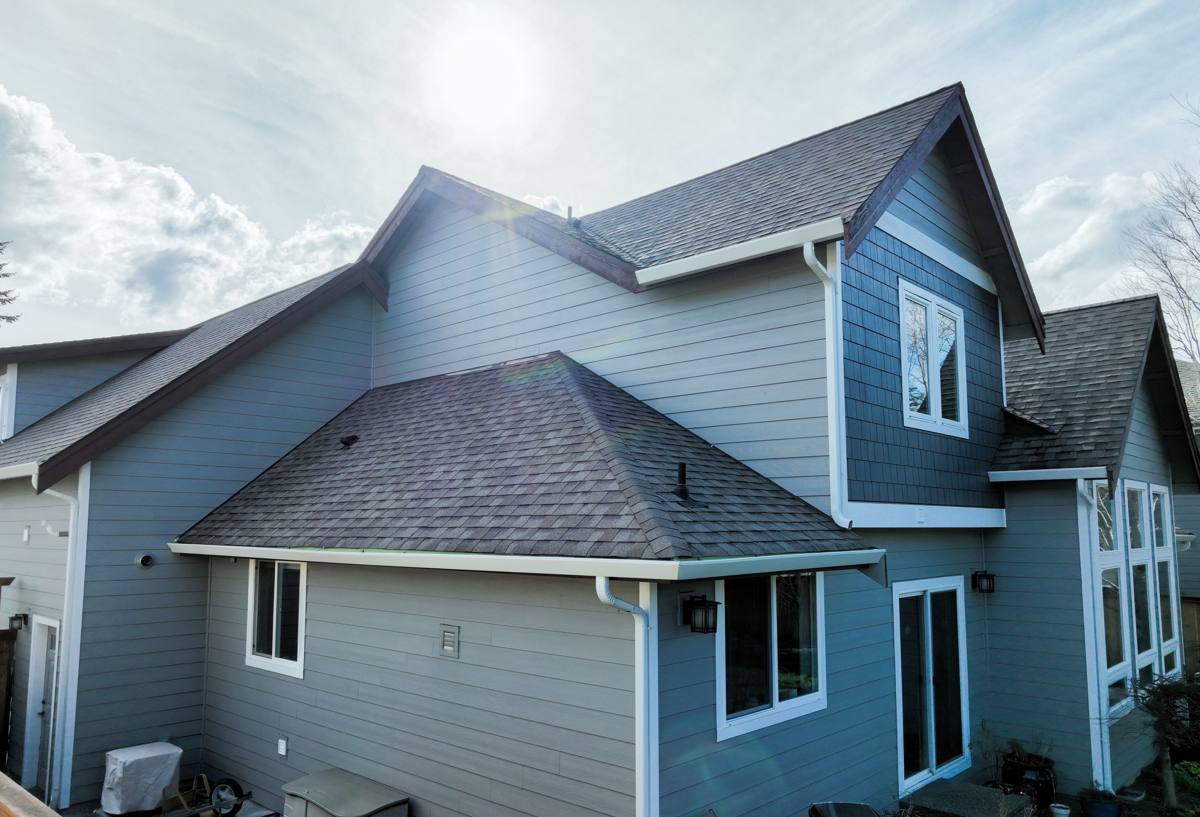
What Bradenton's Climate Does to Siding Over Time
Manatee County sits close enough to the Gulf that homes deal with a combination of stressors most inland markets never see at the same intensity. Understanding these is the first step in choosing a replacement product that will actually last.
Hurricane-Force Winds
Every siding product sold in Florida carries a wind rating, but not every product holds that rating once it's been in the sun and rain for a few years. Fasteners loosen, panels warp, and what tested well in a lab can behave very differently on a real wall after a decade of Florida seasons. Rosedale homes need siding — and installation details like fastener spacing and panel overlap — that stay reliable through storm season, not just on the spec sheet.
Intense, Year-Round UV
Florida's UV exposure is stronger and more constant than in most of the country. Cheaper coatings and certain composite materials chalk, fade, or become brittle from sun exposure alone, long before wind or water ever touch them. A siding replacement that looks great for two years and dull by year five isn't a good use of your money.
Wind-Driven Rain
Rain in Bradenton rarely falls straight down. Gulf storms push rain sideways into walls, seams, and window trim under pressure — which is a very different challenge than the vertical rain most siding products are designed around. Correct flashing and a properly installed water-resistive barrier behind the siding matter more here than in drier, calmer climates.
Salt Air
Even communities not directly on the water, like much of Rosedale, get a steady dose of salt-laden air carried inland from the Gulf. Salt accelerates corrosion of fasteners and trim, and it degrades some finishes faster than plain moisture would on its own.
Individually, any one of these factors is manageable. Combined, and repeated every year, they're why siding that's marketed as "low maintenance" in a showroom sometimes underperforms badly on an actual Bradenton exterior.
Signs Your Rosedale Home Needs Siding Replaced, Not Just Repaired
Not every siding problem calls for a full tear-off. But certain signs mean patching will only delay a bigger, more expensive repair later. Walk your home's exterior and look for:
- Panels that are cracked, splitting, or visibly warped, especially on the sides of the house that take the most sun and wind
- Soft or spongy spots when you press on the siding, which usually means moisture has already gotten behind it
- Paint or finish that's peeling, bubbling, or chalking heavily when you run a hand across it
- Visible gaps at seams, corners, or around window and door trim
- Rot, staining, or a musty smell near the base of exterior walls
- Rising cooling bills with no other clear cause, which can point to compromised insulation behind failing siding
- Siding that's original to the home and at or past the age where the manufacturer's coverage has run out
If you're seeing two or more of these, it's worth having the siding evaluated before another storm season rather than after.
What a Correct Siding Replacement Actually Involves
A siding replacement is only as good as what happens underneath it. The visible panels get all the attention, but the layers behind them are what actually determine whether the job holds up through hurricane season after hurricane season.
Full Tear-Off and Substrate Inspection
We remove the old siding down to the sheathing and inspect for hidden rot, soft wood, or prior water damage. Skipping this step and installing new siding over compromised substrate just hides a problem that will resurface, usually somewhere it's harder to reach.
Water-Resistive Barrier
A correctly installed weather barrier behind the siding is what actually keeps wind-driven rain from reaching your wall sheathing. This layer, properly lapped and sealed, matters as much to long-term performance as the siding itself.
Flashing at Every Penetration
Windows, doors, vents, and any other wall penetration need flashing detailed to shed water outward, not trap it behind the siding. This is one of the most common places corners get cut on lower-quality installs, and it's one of the most common sources of hidden rot down the line.
Fastening to Manufacturer Spec
Fastener type, spacing, and placement all affect wind performance. In a wind-exposed market like Bradenton, following the manufacturer's fastening schedule exactly — not "close enough" — is what keeps siding attached in a real storm.
Factory-Applied Finish
We install James Hardie siding with the factory ColorPlus finish, which is baked on under controlled conditions rather than field-painted. That matters directly for UV and salt exposure: a factory finish holds color and resists fading far longer than paint applied on site after installation.
Why We Install Only James Hardie Fiber Cement
We made a deliberate decision to install one siding system — James Hardie fiber cement — rather than offering vinyl, LP SmartSide, or other wood-composite products alongside it. That's not a marketing position; it's a standard we hold because of what we've seen fiber cement do in Florida conditions that other materials struggle with.
Fiber cement is non-combustible, which matters for insurance and safety alike. It doesn't rely on paint or an engineered wood core to resist moisture, so it holds up better under sustained humidity and wind-driven rain. James Hardie's HZ10 product line is specifically engineered for hot, humid climates like Florida's, and the ColorPlus factory finish is built to resist the fading that intense year-round UV causes in field-applied paint. James Hardie also backs its siding with a strong, transferable limited warranty — an important detail if you ever sell the home.
None of that means other products are without merit for other climates or budgets. It means that for a Rosedale home dealing with hurricane wind, constant sun, and salt air, fiber cement is the material we're willing to put our name behind.
Comparing Siding Materials for a Coastal Climate
| Factor | Vinyl Siding | Wood-Composite (e.g. LP SmartSide) | James Hardie Fiber Cement |
|---|---|---|---|
| Wind performance | Can deform or detach in sustained high wind | Rated well when new; performance depends heavily on installation and moisture exposure | Engineered and rated for high-wind regions |
| Moisture behavior | Resists water itself but seams can trap moisture | Wood-based core is vulnerable if moisture reaches it | Cement-based composition resists moisture damage |
| UV / fade resistance | Can fade and become brittle over time in strong sun | Field-applied or factory paint can fade with heavy UV exposure | Factory-baked ColorPlus finish holds color under intense sun |
| Fire resistance | Can melt or deform under heat | Combustible wood-based core | Non-combustible |
| Maintenance | Low, but damage often means full panel replacement | Requires attentive upkeep of paint and seams | Minimal upkeep when properly installed and finished |
| Typical lifespan | 20-30 years, often less in coastal exposure | Varies widely with maintenance and climate exposure | Multiple decades with proper installation and care |
Every material on this table has a legitimate place somewhere in the country. This comparison reflects why, specifically for Bradenton's combination of wind, sun, and salt air, we standardized on fiber cement rather than offering all three.
What Cost Factors Actually Drive Your Estimate
There's no honest flat rate for siding replacement — every home is different. But the same handful of factors drive most estimates in Rosedale, and knowing them helps you understand your quote:
| Factor | Why It Matters |
|---|---|
| Home size and wall square footage | Directly drives material and labor quantity |
| Number of stories and roof lines | Complex rooflines and second-story work require more time and equipment |
| Substrate condition | Hidden rot or water damage found during tear-off adds repair work before new siding goes on |
| Siding profile chosen | Lap width, texture, and trim details vary in material cost |
| Trim and detail work | Windows, corners, and architectural features add labor time |
| Access and site conditions | Landscaping, fencing, or tight lot lines can affect setup and staging |
We walk every Rosedale home in person before quoting, because estimating from a photo or a phone call almost always misses something that changes the real cost.
Our Process, From Estimate to Finished Job
1. On-Site Inspection
We walk the exterior, check for hidden moisture or substrate damage, and talk through what your home actually needs — not a generic package.
2. Clear, Written Estimate
You get a detailed scope and price before any work starts, with no vague allowances hiding behind it.
3. Tear-Off and Substrate Repair
Old siding comes off completely, and any rot or damage found underneath gets addressed before anything new goes up.
4. Weather Barrier and Flashing
This is the step that determines how the house performs in a storm five years from now, and we don't rush it.
5. James Hardie Installation to Spec
Fastening, spacing, and clearances follow manufacturer requirements for our wind zone, not shortcuts.
6. Final Walkthrough
We go over the finished work with you directly before calling the job complete.
Why a Crew That Already Works in Rosedale Makes a Real Difference
Siding installation isn't identical everywhere. A crew that regularly works Bradenton and the surrounding Manatee County communities already understands local wind requirements, knows how HOA architectural guidelines typically function in planned communities like Rosedale, and has a feel for how homes in this specific area age under Gulf-coast conditions. That familiarity shows up in small decisions — flashing details, product selection, scheduling around storm season — that a crew unfamiliar with the region might not think twice about.
It also matters for accountability. A contractor with an ongoing presence in your community isn't going anywhere after the invoice is paid, which is worth something when you're trusting them with the material that protects your home from hurricanes, sun, and salt air for the next several decades.
If your Rosedale home's siding is showing its age, we're happy to take a look and give you a straightforward, no-pressure estimate — no obligation, just an honest read on what your home actually needs. Use the form below to get started.