 Bradenton Siding
 Why Siding Repair Looks Different in Bayshore Gardens
Bayshore Gardens sits close to Sarasota Bay, and that proximity to open water shapes how siding ages here compared to homes further inland in Manatee County. Salt-laden air corrodes fasteners and trim hardware faster, wind off the water drives rain sideways into joints and laps, and the same intense Gulf Coast sun that makes Florida living great also bakes exterior surfaces day after day, year-round. None of that means siding fails constantly — it means small problems don't stay small for long, and repairs that would be minor cosmetic fixes in a drier, shadier climate can turn into moisture intrusion issues here if they sit too long.
We repair siding all over the Bradenton area, but a repair call in Bayshore Gardens gets evaluated with that coastal exposure in mind from the first walk-around. A crack near a window that's purely cosmetic on an inland home might already be letting wind-driven rain behind the cladding on a home closer to the water.
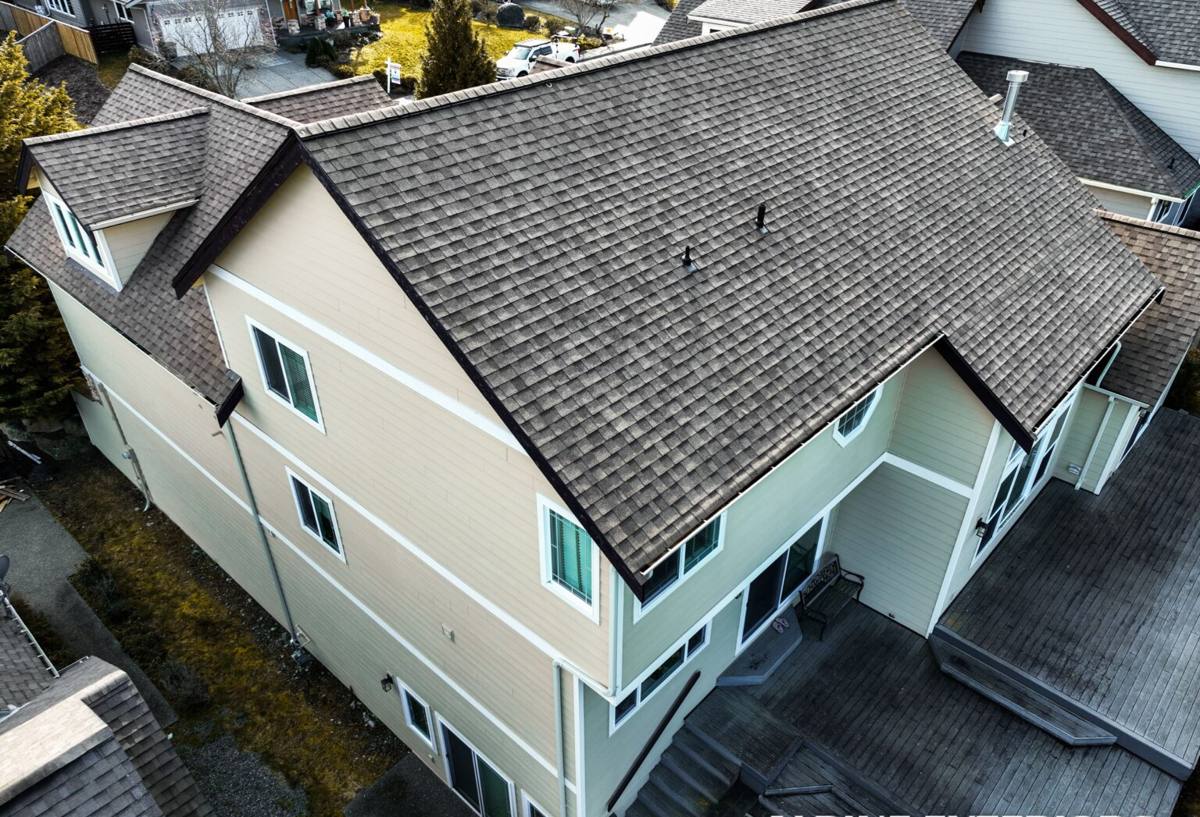
Common Siding Repair Issues We See in Bayshore Gardens
Wind and Storm Damage
Hurricane-force gusts and the tropical systems that move through this part of Florida put direct mechanical stress on siding — cracked or dislodged panels, popped fasteners, damaged corner boards, and trim pulled loose from soffits and fascia. Even storms that don't make landfall directly on Manatee County can send enough wind and rain through the area to loosen panels that were already marginally fastened.
Moisture and Rot at Joints, Trim, and Butt Seams
Water finds the weak points: unsealed or poorly caulked butt joints, trim-to-siding transitions, and areas around windows and doors. On wood-based or improperly maintained siding, this shows up as soft spots, swelling, or visible rot. On fiber cement, the concern is usually a failed joint or flashing detail letting water reach the wall assembly behind the panel, not the panel material itself absorbing moisture.
Sun-Faded and Chalking Panels
Constant UV exposure breaks down paint film and lower-grade coatings over time, leading to fading, chalking (a powdery residue on the surface), and an uneven, patchy look — especially on south- and west-facing walls that take the most direct sun through a Bradenton afternoon.
Fastener and Hardware Corrosion
Salt air accelerates corrosion on any exposed metal — nail heads, trim screws, hose bib covers, light fixture mounts. Corroding fasteners can work loose or stain the siding around them, which is a common, fixable repair rather than a sign the whole wall needs replacing.
Repair or Replace? How We Decide
Not every siding problem in Bayshore Gardens means a full re-side. Most of what we're called out for is legitimately repairable. The table below is a general guide — every home gets an actual inspection before we recommend either path.
| Signs pointing to repair | Signs pointing to replacement |
|---|---|
| Isolated cracked or dented panels in one or two areas | Damage spread across multiple walls or elevations |
| Failed caulking or trim seals letting in wind-driven rain | Soft, spongy wall sheathing found once siding is opened up |
| Loose or corroded fasteners with siding otherwise sound | Widespread rot or moisture damage behind the cladding |
| Storm damage to a specific section after a recent event | Siding material at or past its practical service life |
| Fading or chalking that's cosmetic, not structural | Recurring repairs in the same areas year after year |
What a Correct Siding Repair Actually Involves
Matching the Existing Coursing and Reveal
Fiber cement siding is installed with a consistent reveal (the visible height of each course). A repair that doesn't match that reveal, or that uses a slightly different plank profile, stands out immediately — even from the street. Getting this right takes more care than it sounds like, especially on older installations where the original spacing may not be perfectly uniform.
Checking for Hidden Moisture Before Closing It Back Up
Any time we pull damaged panels, we check what's behind them — the water-resistive barrier, flashing at penetrations, and the sheathing itself — before repairing anything. Patching over a section that has hidden moisture damage just hides the problem for a while; it doesn't fix it.
Fastening and Flashing to Spec
Correct fastener type, placement, and penetration depth matter as much on a repair as they do on a full installation, and coastal exposure makes corrosion-resistant fasteners worth the small extra cost. Flashing at joints and trim transitions has to shed water outward, not channel it behind the panel.
Color and Finish Matching
James Hardie's factory ColorPlus finish is baked on and color-matched to a specific formulation, which makes replacing a damaged plank with the same ColorPlus color a clean match in most cases. Field-painted siding is harder to match exactly, since sun exposure fades existing panels unevenly over time — we're upfront with homeowners about that reality rather than promising an invisible seam where one may not be achievable.
Our Repair Process
- Inspection: We walk the exterior, identify every area of concern (not just the spot you called about), and check for signs of hidden moisture.
- Diagnosis: We explain what's actually wrong — storm damage, a failed seal, corrosion, coating failure — and why, in plain language.
- Scope and estimate: You get a clear, written scope of what needs to happen and an honest cost range before any work starts.
- Repair: Damaged sections are removed, the substrate is checked and corrected if needed, and new material is installed to match existing coursing, fastening, and finish.
- Final check: We walk the repair with you, confirm sealing and finish work, and clean up the site.
Why We Only Repair With James Hardie Fiber Cement
We install and repair exclusively with James Hardie products — we don't work in vinyl, LP SmartSide, Cemplank, Allura, or wood siding. That's a deliberate standard, not a limitation we apologize for. When we're patching a section of siding on a Bayshore Gardens home, we want confidence that the material going in will hold up to the same salt air, UV, and wind-driven rain as the material already on the wall, without introducing a weak point.
Fiber cement is non-combustible and dimensionally stable in a way that matters in Florida's heat-and-humidity cycle — it doesn't swell and shrink with moisture the way wood-based products can, which is one of the more common causes of the joint failures and trim gaps we get called to repair in the first place. Hardie's HZ5 product line is engineered for high-humidity, hot climates like ours, and the ColorPlus finish carries its own warranty coverage against fading and chipping when properly maintained. If your existing siding is Hardie, a Hardie repair is a true like-for-like match. If your existing siding is a different material, we'll be honest with you about what we can and can't match, and whether a full re-side to Hardie makes more long-term sense than chasing repairs on a product with a shorter service life.
Why Hiring a Crew That Already Works Bayshore Gardens Matters
Siding repair is one of those jobs where local experience shows up in small decisions: knowing which corner-of-the-house details tend to fail first on homes near the water, having a realistic sense of how fast salt air will corrode a given fastener type, and understanding Manatee County permitting requirements for exterior repair work when it's needed. A crew that's already doing this work in Bayshore Gardens and the surrounding Bradenton area isn't learning the neighborhood on your dime — we show up knowing what coastal exposure typically does to a home in this specific area, and we scope the repair accordingly instead of guessing.
It also means faster response after a storm. When wind damage hits a cluster of homes in the same area, a local crew can get to inspections and temporary protection sooner than a company driving in from outside the county.
Homeowner Checklist: Is It Time to Call for a Siding Repair Inspection?
- Cracked, dented, or missing sections of siding, especially after a storm
- Visible gaps or separation at trim, corners, or butt joints
- Soft or spongy areas when you press on the siding near the bottom edge
- Rust streaks or corrosion stains running down from fastener heads
- Peeling, bubbling, or heavily chalking paint or finish
- Water stains on interior walls near exterior corners, which can point to siding intrusion
- Siding that's noticeably faded or discolored compared to when it was installed
- Any repair that was patched before and has started failing again
If you're seeing any of that on a Bayshore Gardens home, it's worth having someone look before the next round of wind-driven rain finds the gap. We offer free, no-pressure estimates — use the form below and we'll set up a time to take a look.