 Bradenton Siding
 Why Bradenton Beach Is a Harder Environment for Siding Than Most of Florida
Bradenton Beach sits on the barrier island side of Manatee County, which means every exterior surface on a home here deals with a combination of stresses that inland neighborhoods simply don't see to the same degree. Salt-laden air moves off the Gulf and works into seams, fasteners, and any exposed edge of a wall system, accelerating corrosion and breaking down materials that aren't built to resist it. Add in intense, near-constant Florida UV exposure that fades pigments and dries out organic materials, wind-driven rain that gets pushed sideways into every gap and lap joint, and the real possibility of hurricane-force wind loading during storm season, and you have a climate that punishes shortcuts faster than almost anywhere else in the state.
None of this means siding on a barrier island home is doomed to fail early. It means the material choice and the installation details matter more here than they would on a house forty miles inland. A product and a crew that would get away with minor errors in a milder climate will get exposed quickly in Bradenton Beach.
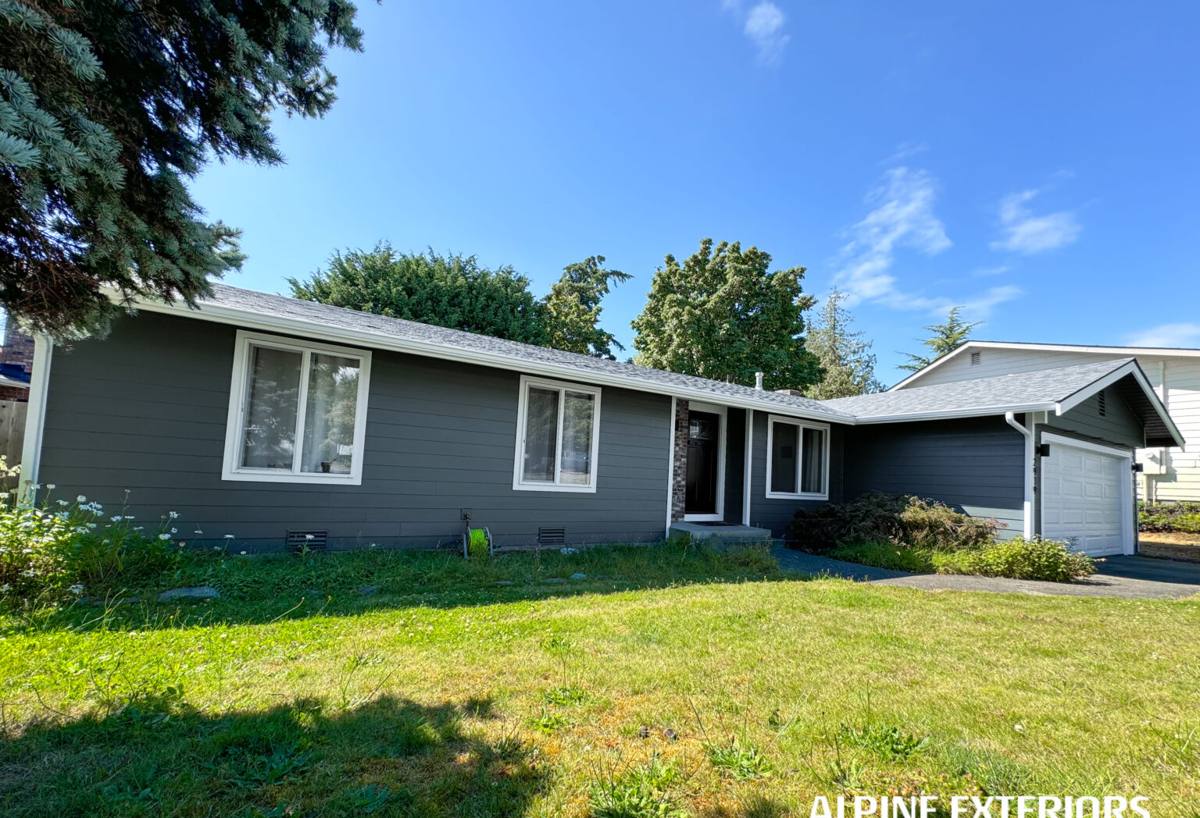
What "Correct" Siding Replacement Actually Involves
Siding replacement is not just pulling off old panels and nailing up new ones. Done right, it's a systems job — the visible siding is only one layer of a wall assembly that has to work together to keep water out and structure intact.
Full Tear-Off, Not Overlay
We remove the existing siding down to the sheathing rather than installing over it. Covering old siding hides problems instead of solving them, and on a coastal home that's a bet against moisture that usually loses.
Sheathing and Framing Inspection
Once the wall is exposed, we check for soft spots, rot, or corrosion around window and door openings, at wall penetrations, and near the base of the wall where wind-driven rain collects. Any compromised sheathing gets replaced before anything new goes up — new siding over damaged sheathing just buys a few years before the same problem resurfaces, worse.
Weather-Resistive Barrier and Flashing
A properly lapped weather-resistive barrier, correctly integrated flashing at windows, doors, and roof-to-wall transitions, and sealed penetrations for utilities and fixtures are what actually keep water out of the wall cavity. The siding sheds the bulk of the water; the barrier and flashing handle what gets past it.
Fastening for Wind
Coastal Florida construction has to account for real wind-load requirements under the Florida Building Code. That means using the fastener type, spacing, and embedment the manufacturer specifies for the local wind exposure — not a generic pattern that happens to look finished.
How Our Process Works, Start to Finish
We keep the process straightforward and predictable, which matters on a job that's happening around a family's daily life.
- On-site assessment — we walk the exterior, check for moisture intrusion, and identify problem areas before anything is quoted.
- Written estimate — scope, product line, and color are agreed on up front, with no surprise change orders for work that was visible from the start.
- Tear-off and inspection — old siding and any compromised trim or sheathing come off and get evaluated.
- Repair and prep — damaged framing or sheathing is repaired, and the weather-resistive barrier and flashing are installed correctly.
- Installation — James Hardie panels or planks go up to manufacturer spec, with the fastening schedule appropriate for this wind exposure.
- Finish work — caulking, trim, and touch-up painting where field-cut edges need it.
- Final walkthrough — we go over the finished job with the homeowner before calling it done.
Why We Only Install James Hardie Fiber Cement
We made a decision as a company to install James Hardie fiber cement siding exclusively — not LP SmartSide, not vinyl, not Cemplank or Allura, not primed spruce or cedar. That's not a marketing position; it's the product line we're willing to put our name behind after weighing how each option holds up in a climate like this one.
Fiber cement is non-combustible, which matters in a state where wind-driven embers from wildfires and electrical fires are a real, if uncommon, risk. It doesn't absorb water and swell the way wood-based products can, and it doesn't become brittle and prone to cracking under UV and heat cycling the way some vinyl products do over a decade or two of Gulf Coast sun. James Hardie's ColorPlus factory finish is baked on and warranted separately from the substrate, which means the color coat is engineered to hold up to UV rather than relying on a field-applied paint job to do that work.
James Hardie also engineers specific product lines by climate zone through what it calls the HardieZone system. Florida falls into the HZ10 zone — the hot, humid classification — and the HZ10 formulation is built to resist the moisture and humidity load specific to this part of the country, rather than using a one-size-fits-all mix. That distinction is easy to miss when comparing fiber cement products, but it's part of why we standardized on Hardie rather than a generic fiber cement alternative.
None of this means other products are unusable everywhere — vinyl and engineered wood sidings have real strengths and legitimate uses. But for a barrier island home in Manatee County facing salt air, UV, and storm exposure year after year, we don't think they're the right long-term bet, and we'd rather turn down work than install something we don't believe will hold up here.
How Siding Options Compare in This Climate
| Factor | Vinyl Siding | Wood / Engineered Wood | James Hardie Fiber Cement |
|---|---|---|---|
| Salt air / corrosion resistance | Moderate; can become brittle over time | Poor without diligent maintenance | Strong; cement-based, doesn't corrode |
| UV / color fade resistance | Fades and chalks over years | Depends entirely on paint upkeep | ColorPlus finish engineered for UV, separately warranted |
| Moisture / water absorption | Doesn't absorb, but seams can trap water behind it | Absorbs water; prone to swelling and rot | Does not absorb water like wood-based products |
| Wind performance | Can crack or blow off in high wind if underrated | Depends on fastening and product rating | Rated systems engineered for high-wind installation |
| Combustibility | Combustible | Combustible | Non-combustible |
| Typical maintenance | Occasional cleaning; limited repair options | Regular repainting and moisture checks | Occasional cleaning; factory finish reduces repainting |
Signs Your Bradenton Beach Home Needs Replacement, Not Repair
Repair makes sense when damage is isolated. Replacement makes sense when the underlying material or wall system has broken down broadly enough that patching just moves the problem around. Signs it's time to talk about full replacement include:
- Soft, spongy, or visibly warped siding panels, especially near the base of walls or below windows
- Paint that keeps failing in the same spots no matter how often it's redone
- Visible cracking, buckling, or gaps that have widened after storm seasons
- Rot or staining on interior walls near exterior corners, which often points to water getting behind the siding
- Siding that's original to a home built decades ago and has never been fully replaced
- Persistent mold or mildew growth on siding that cleaning doesn't resolve for long
- Visible corrosion on fasteners or trim, common on older coastal installations
Why a Crew That Already Works Bradenton Beach Matters
Siding installation on a barrier island isn't identical to siding installation ten or twenty miles inland, and the difference shows up in details a crew either already accounts for or learns the hard way, on your house.
Permitting and Code Familiarity
Work in Manatee County, including on Anna Maria Island communities like Bradenton Beach, has to meet Florida Building Code wind and fastening requirements for coastal construction. A crew that regularly pulls permits and passes inspection in this jurisdiction moves through that process without it becoming a delay on your project.
Real Familiarity With Salt-Air Wear Patterns
A crew that has actually pulled old siding off homes near the Gulf knows where corrosion and moisture damage tend to concentrate — around window heads, at the base of walls, and at any point where two materials meet. That experience shows up in faster, more accurate assessments and fewer surprises mid-project.
Logistics
Barrier island access, parking, staging, and disposal all work a little differently than they do on the mainland. A local crew plans around that instead of losing days to it.
What Affects the Cost of a Siding Replacement
| Cost Factor | Why It Matters |
|---|---|
| Home size and wall complexity | More square footage, more corners, dormers, and cutouts mean more material and labor |
| Extent of sheathing/framing repair | Hidden rot or moisture damage found during tear-off adds material and labor |
| Product profile and finish | Lap width, textures, and ColorPlus color selections vary in material cost |
| Trim and accessory scope | Corner boards, fascia, soffit, and other trim work add to the overall project |
| Access and site conditions | Island logistics, staging space, and disposal access affect labor time |
We don't quote a job until we've actually looked at the house, because guessing at scope from a phone call tends to produce numbers that don't hold up once tear-off starts.
Caring for New Siding in a Salt-Air Environment
Fiber cement siding is low-maintenance, not no-maintenance, and a little upkeep goes a long way toward getting the full life out of the material in this climate. Rinsing salt residue and airborne grime off the exterior periodically, especially after storms, keeps it from building up in seams and around trim. Keeping gutters clear and downspouts directed away from the wall reduces water load on the siding and the ground around the foundation. It's also worth doing a quick visual check after major storms for any cracked panels, lifted trim, or exposed fasteners, since catching a small issue early is a lot cheaper than letting it sit through another hurricane season.
If you're weighing a siding replacement for a home in Bradenton Beach, we're happy to take a look and walk you through what we'd actually recommend for your house — no pressure, no obligation. Use the form below to request a free estimate.