 Bradenton Siding
 Why Roofs in Tara Take a Different Kind of Beating
Tara sits inland enough from the coast to avoid the worst of direct salt spray, but close enough that salt-laden air still moves through on prevailing winds off Tampa Bay and the Gulf. Combine that with Manatee County's subtropical sun load, seasonal downpours, and the real possibility of hurricane-force gusts, and you get a roofing environment that punishes shortcuts fast. A shingle roof that would last two or three decades in a milder climate can start failing in half that time here if it wasn't installed with this specific weather pattern in mind.
The damage shows up in a few predictable ways. UV exposure bakes the asphalt in shingles, driving off the oils that keep them flexible and accelerating granule loss — the granules are what protect the asphalt mat underneath from the sun in the first place. Wind-driven rain finds any gap in flashing or underlayment and pushes water sideways and upward, not just straight down, which is why roofs that leak in Bradenton often leak in places a simple gravity-fed system would never predict. And high wind events test every nail, every seal strip, and every piece of edge metal on the roof at once. A roof built to a generic standard will show its weak points during the first serious storm. A roof built for this specific area is designed so those weak points don't exist.
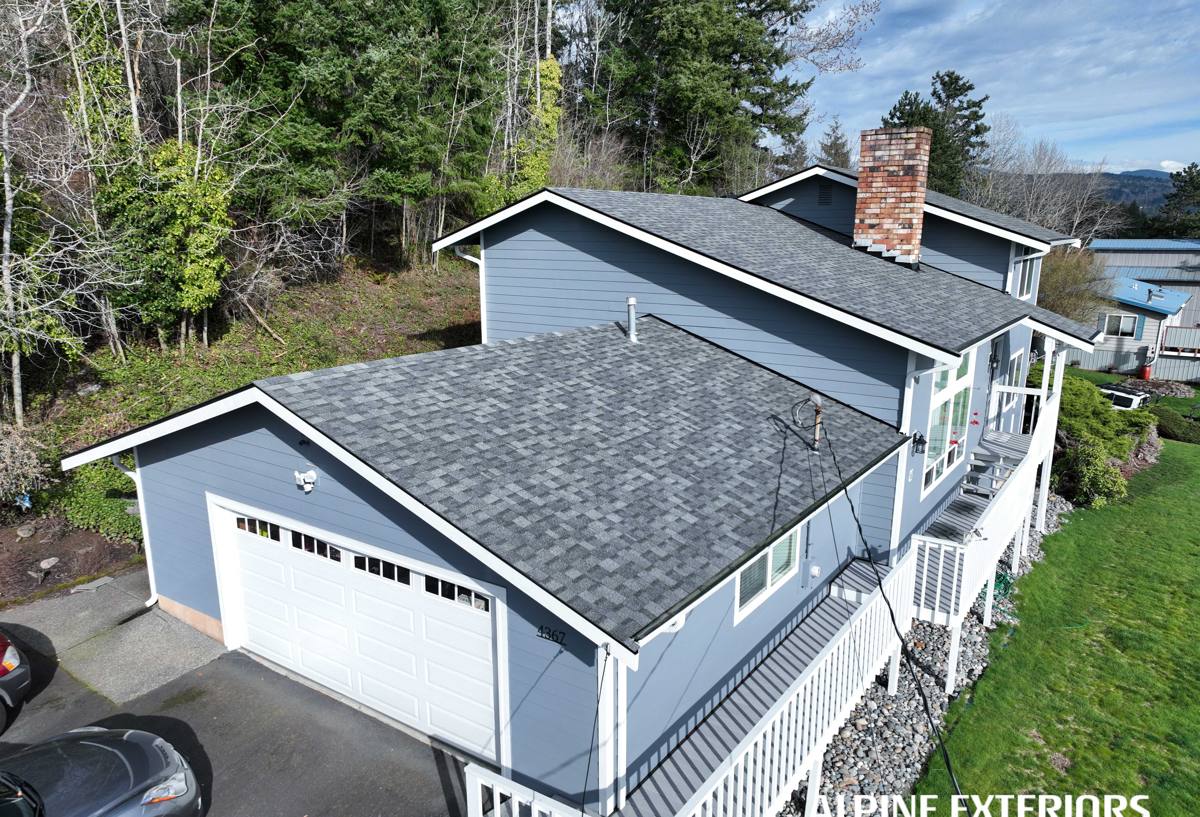
What a Correctly Installed Shingle Roof Actually Involves
"Correct" isn't a marketing word — it's a specific set of decisions made at every layer of the roof system, not just the shingles you see from the street. For a home in Tara, that means:
Underlayment That Handles Wind-Driven Water
A synthetic underlayment with good tear resistance, properly lapped and sealed at every seam, is the backup system that keeps water out if wind ever gets under a shingle tab. In vulnerable zones — valleys, eaves, and around penetrations — we use self-adhered underlayment rather than relying on the field material alone.
Nailing Pattern and Fastener Count
Wind resistance in an asphalt shingle roof comes down to how well each shingle is fastened, not just what the shingle is rated for on paper. Six-nail patterns, placed in the manufacturer's specified nail zone rather than wherever is fastest, make a measurable difference in how a roof performs when gusts hit 60, 80, or 100+ mph. This is one of the most common places corners get cut, because it slows the crew down and the difference isn't visible once the roof is finished.
Flashing at Every Transition
Chimneys, skylights, wall-to-roof intersections, and vent penetrations are where the vast majority of leaks originate — not the open field of shingles. Step flashing, counter-flashing, and properly sealed pipe boots have to be installed correctly the first time, because they're expensive to diagnose and fix after the fact once they're covered.
Starter Strips and Edge Detail
The first row of shingles at the eaves and rakes is a specific starter product, not a cut-down field shingle. Skipping this is a common shortcut that weakens exactly the edges that take the first hit in a windstorm.
Choosing the Right Shingle for a Tara Home
Not every asphalt shingle sold is built for this climate. The difference usually comes down to wind rating, algae resistance, and how the shingle is engineered to stay sealed.
| Shingle Type | Typical Wind Rating | Best Fit For |
|---|---|---|
| 3-Tab (standard) | Up to ~60-70 mph | Budget re-roofs on lower-exposure homes; least resistant to uplift |
| Architectural / Laminate | Up to ~110-130 mph (with proper install) | Most Tara homes — better mat weight, better uplift resistance, longer warranty life |
| Impact-Resistant Architectural | Up to ~130 mph, Class 4 impact rated | Homes seeking possible insurance premium credit and extra hail/debris resistance |
We generally steer Tara homeowners toward architectural shingles rather than 3-tab, not because 3-tab is a bad product, but because the extra mat weight and adhesive sealant pattern on architectural shingles simply hold up better to sustained coastal-adjacent wind over the life of the roof. It's a trade-off worth discussing honestly rather than defaulting to whatever costs least up front.
Our Process, Start to Finish
- On-site inspection. We walk the roof (not just the ground), check the decking condition where accessible, look at existing ventilation, and photograph problem areas.
- Honest scope and estimate. You get a written breakdown of what's being replaced, what shingle and underlayment system is proposed, and why — no vague line items.
- Permitting. Manatee County requires permits for roof replacement, and we handle that paperwork rather than leaving it to you.
- Tear-off and deck inspection. Old material comes off down to the deck so any soft spots, rot, or prior water damage get addressed before anything new goes down — not covered up.
- Underlayment, flashing, and shingle installation per the standards above, with attention to nailing pattern and edge detail.
- Cleanup and magnetic nail sweep of the property.
- Final walkthrough so you can see the finished work and ask questions before we consider the job done.
Ventilation: The Part Homeowners Rarely Ask About
A shingle roof doesn't fail in isolation from the attic underneath it. Poor attic ventilation traps heat and moisture, which shortens shingle life from the underside at the same time UV is working on it from above. In a climate like Bradenton's, where attic temperatures can climb well past 130°F in summer, proper intake and exhaust airflow isn't a luxury upgrade — it's part of what makes the warranty on your shingles meaningful. We check existing ridge vents, soffit intake, and any gable or powered ventilation as part of every roofing job, and we'll tell you plainly if your current setup is undersized rather than just leaving it alone.
Signs a Tara Roof Needs Attention
Most roofing problems give warning signs well before a full leak shows up inside the house. Worth checking for periodically, especially after a named storm passes through the area:
- Granules collecting in gutters or at downspout outlets
- Shingles that look curled, cupped, or lifted at the edges
- Bald or shiny patches where granule loss has exposed the asphalt mat
- Soft or spongy spots when walking the roof (a sign of deck damage underneath)
- Visible daylight or staining in the attic around penetrations or the ridge
- Missing shingles or exposed nail heads after a windstorm
- Streaking or dark discoloration from algae growth, which holds moisture against the shingle
- Cracked or displaced flashing around chimneys, skylights, or vent stacks
Catching these early is almost always cheaper than waiting for an interior ceiling stain to force the issue.
Repair or Full Replacement? What Actually Drives That Decision
| Factor | Leans Toward Repair | Leans Toward Replacement |
|---|---|---|
| Age of roof | Under 10-12 years | Approaching or past shingle's rated lifespan |
| Extent of damage | Isolated to one area (a valley, a vent boot) | Spread across multiple slopes |
| Granule loss | Minor, localized | Widespread, exposed mat visible |
| Deck condition | Sound, no soft spots found | Rot or soft decking found during inspection |
| Storm history | No recent major wind event | Recent hurricane-force winds affected the roof |
| Insurance factor | Repair covered, no rate benefit to full replace | New roof may qualify for wind-mitigation credits |
We won't push a full replacement when a targeted repair genuinely solves the problem, and we won't recommend patching a roof that's structurally past the point where repair makes financial sense. That call gets made based on what we actually find during inspection, explained in terms you can evaluate yourself.
Why a Crew That Already Works Tara Matters
Roofing knowledge that's specific to a neighborhood isn't just marketing language — it affects real decisions on the job. A crew that regularly works in and around Tara already understands the general wind exposure patterns for the area, knows what Manatee County's permitting and inspection process requires, and has a working relationship with suppliers who can get the right shingle and underlayment on-site without delay. That familiarity shows up in fewer surprises during the job and a scope that's realistic from the first estimate, rather than a lowball number that grows once tear-off reveals problems a more generic contractor didn't anticipate.
It also matters for accountability. A local crew has a reputation in the community to maintain and isn't disappearing after the invoice clears — that's a meaningfully different incentive structure than an out-of-town storm-chasing outfit working a single hurricane season before moving on.
Maintenance That Extends the Life of Your Investment
Even a correctly installed roof benefits from basic upkeep in this climate. Keeping gutters clear so water doesn't back up under the shingle edge, trimming back overhanging branches that hold moisture and drop debris, and having the roof looked at after any major wind event are simple habits that catch small issues before they become expensive ones. We're happy to point out what to watch for on your specific roof during any visit, whether or not it turns into billable work that day.
If your Tara home is due for a roof inspection, showing early wear, or you're simply planning ahead for a replacement, we're glad to take a look and walk you through exactly what we find — no pressure, no obligation. Fill out the form below and we'll get in touch to schedule a free estimate.