 Bradenton Siding
 Building New in Tara? Your Windows Are Doing More Work Than You Think
If you're building a new home in the Tara area of Bradenton, the windows going into those rough openings aren't just there for light and views. In Manatee County, windows are one of the first things a hurricane tests and one of the first things constant Florida sun degrades. Get the product or the installation wrong at the framing stage, and you're looking at leaks, fogged glass, or failed inspections years down the road — problems that are far more expensive to fix after drywall, trim, and landscaping are in than they would have been to prevent during the build.
New-construction window work is a different job than swapping out an old window in an existing wall. It happens before the exterior finish goes on, it has to coordinate with the framer, the stucco or siding crew, and the weather-resistant barrier, and it has one shot to get flashing and water management right. We do this work specifically for new builds in Tara and the surrounding Bradenton area, which means we already understand how local plan reviewers, inspectors, and builders expect this scope to be sequenced.
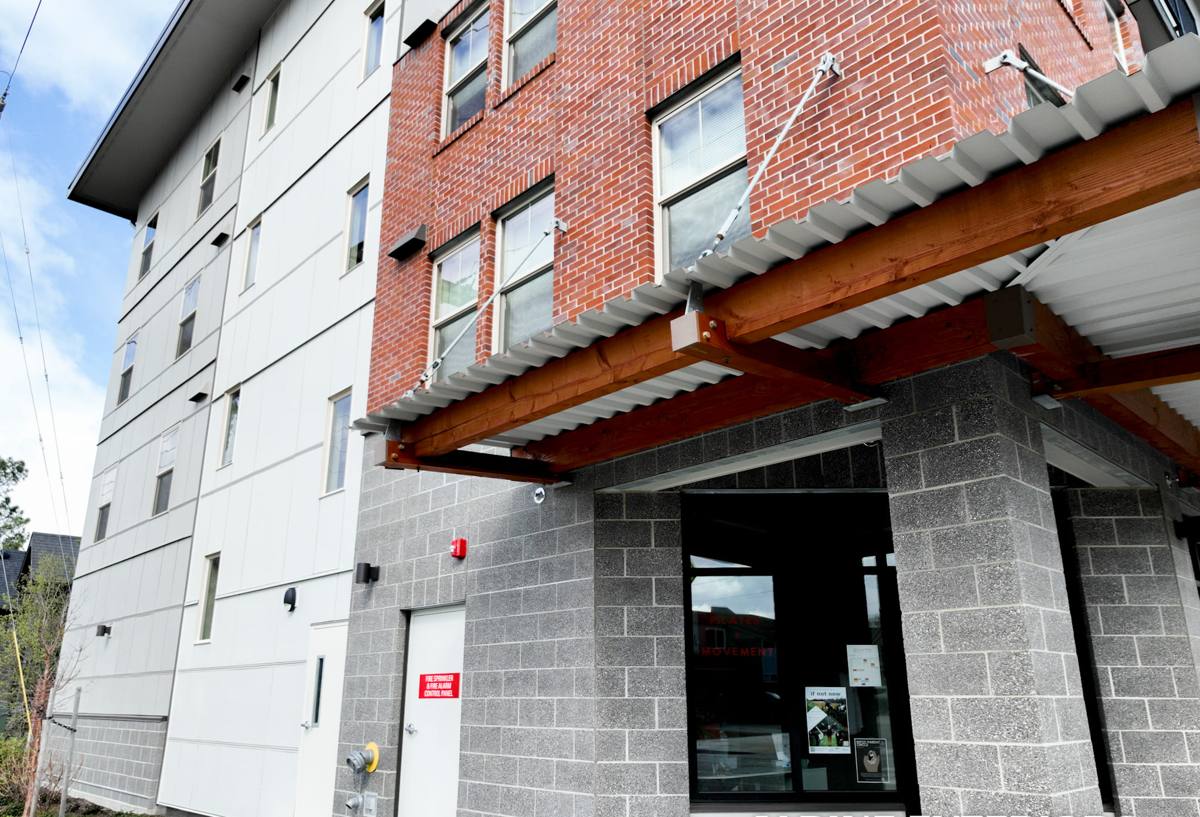
New-Construction vs. Replacement: Why the Distinction Matters
A lot of homeowners assume "installing a window" is the same job everywhere. It isn't. New-construction windows have a nailing fin (sometimes called a flange) that gets fastened directly to the sheathing and integrated with the weather-resistant barrier and flashing before the exterior cladding is applied. Replacement windows, by contrast, are built to fit into an existing finished opening without disturbing the exterior wall covering.
On a new build, we get to do it the right way from the start — proper flashing sequence, correct fastening pattern, and full integration with the house wrap or building paper before stucco, siding, or brick veneer covers it up. That's a real advantage over retrofit work, but it also means there's no room for shortcuts, because everything gets sealed behind finish materials for the next several decades.
What "Correct" Actually Means Here
In practice, a correct new-construction window installation in this climate means:
- Rough openings framed square, plumb, and sized to the manufacturer's specified tolerances — not "close enough."
- A sill pan flashing detail that directs any water that gets past the window back out of the wall, not into the framing.
- Flashing tape and weather-resistant barrier lapped in the correct shingle-style order (bottom to top, sides over the sill pan, header over the sides) so water always sheds downward and outward.
- Fasteners installed at the spacing and location the window's product approval requires — this is what the wind-load rating is actually based on.
- Sealant used as backup water management, not as the primary defense — caulk should never be asked to do a flashing detail's job.
What Manatee County's Climate Demands From New Windows
Tara sits inland of the Gulf, but "inland" in this part of Florida still means hurricane-force wind exposure, intense year-round UV, and wind-driven rain that gets pushed sideways into walls during storms. Salt-laden air moves further inland than most people expect, especially in the aftermath of tropical systems, so hardware and fasteners that aren't corrosion-resistant will show it over time even a few miles from the water.
That combination shapes what we look for in a new-construction window:
- Wind performance — the window and its installation method need documented approval for the wind loads required in this part of Manatee County, not just a generic rating.
- Water management — wind-driven rain during a tropical storm behaves differently than a normal rain shower; it gets forced sideways and upward, which is exactly what sill pan flashing and correct lap sequencing are designed to handle.
- UV stability — frame materials, seals, and glazing need to hold up under sun exposure that's more intense and more constant than most of the country sees, without excessive fading, chalking, or seal failure.
- Corrosion resistance — fasteners, hinges, and hardware should be rated for coastal-adjacent exposure, since salt air doesn't stop at the shoreline.
Florida Building Code and What It Means for Your New Build
Every new-construction window installed in Manatee County has to meet Florida Building Code wind-load and water-infiltration requirements, and the local building department reviews and inspects for it. In practice, that means the window itself needs a valid Florida Product Approval (or Miami-Dade Notice of Acceptance) matching the wind zone and exposure category of your specific lot, and the installation has to follow the manufacturer's approved installation instructions to the letter — fastener type, spacing, and flashing detail included.
This isn't paperwork for its own sake. The product approval is only valid if the window is installed the way it was tested. A window with an excellent wind rating, installed with the wrong fastener spacing or without the specified flashing, doesn't actually perform to that rating — and it may not pass inspection or hold up in an actual storm. We pull the approvals and installation documentation for every window package before it goes in, so what's on paper matches what's in the wall.
Choosing Window Products for a Tara New Build
There's no single "best" window for every new-construction project — the right choice depends on your builder's plans, your budget, and how much of the home's exterior wall is glazing versus solid wall. Here's how the common options compare for this climate:
| Frame Material | Wind/Impact Performance | UV & Heat Behavior | Maintenance |
|---|---|---|---|
| Vinyl (impact-rated) | Strong when paired with laminated impact glass; widely used and code-compliant | Good with UV-stabilized formulations; lower-quality vinyl can chalk or warp over time | Low — no painting, minimal upkeep |
| Aluminum | Strong structural performance, common for larger openings | Handles heat and sun well; can conduct more heat into the frame without a thermal break | Low, but coastal-area units need corrosion-resistant hardware and finish |
| Fiberglass | Very strong, dimensionally stable under wind load | Excellent UV and heat stability | Low, though it carries a higher upfront cost |
| Wood/wood-clad | Can be engineered for wind performance, but assembly is more sensitive to correct installation | Interior wood is attractive but sensitive to humidity and UV without regular upkeep | Higher — periodic refinishing or sealing needed in this climate |
We'll talk through this with you and your builder based on the actual window schedule for your home — glazing sizes, elevations facing prevailing wind and sun, and your budget — rather than pushing one product line regardless of fit. Our standard is that whatever we install carries valid Florida product approval for the wind zone and gets installed exactly to that approval's terms.
How We Handle New-Construction Window Installs in Tara
Before the Windows Arrive
We review the window schedule and rough opening dimensions against the approved plans, confirm product approvals match the project's wind and exposure requirements, and coordinate timing with the framer and weather-resistant barrier installer so windows go in at the right point in the build sequence — not too early, not after the barrier's already closed up wrong.
During Installation
Each opening gets sill pan flashing, correctly lapped flashing tape integrated with the house wrap, and fastening at the exact spacing the product approval specifies. We check every unit for square, plumb, and level before final fastening — a window that's slightly racked in the opening will bind, leak, or perform below its rating no matter how good the product is.
After Installation
We document the install for the builder's records and for your own file — useful if a warranty question ever comes up — and make sure everything is ready for the building department's inspection without rework or delays holding up the rest of the build schedule.
What New-Construction Windows Typically Cost
Costs vary by opening size, glazing type, frame material, and how many openings are on the plan, so any number should be treated as a broad range until we've looked at your actual window schedule. Generally, the biggest cost drivers are:
| Factor | Why It Matters |
|---|---|
| Frame material | Vinyl is typically the most budget-friendly; fiberglass and wood-clad cost more upfront |
| Impact vs. non-impact glazing | Impact-rated laminated glass costs more than standard glass paired with separate storm protection |
| Opening size and quantity | Larger openings and higher window counts scale cost directly |
| Special shapes or large sliding/multi-panel units | Custom shapes and oversized units require more engineering and cost more to install correctly |
| Site access and build phase timing | Coordinating install around other trades affects labor efficiency |
We give straightforward, itemized estimates based on your actual plans — not a rough per-window number pulled out of the air.
Why It Matters That We Already Work in Tara
A crew that regularly works new construction in Tara and the greater Bradenton area already knows the local building department's inspection expectations, has relationships with area builders and framers, and understands how this specific stretch of Manatee County's wind exposure and weather patterns should shape product choice. That familiarity shows up in fewer inspection surprises, better-coordinated scheduling with your other trades, and installation decisions grounded in what actually holds up here — not generic national guidance.
Before your windows go in, it's worth confirming a few things with whoever is doing the work:
- Do the windows have Florida Product Approval (or Miami-Dade NOA) matching this project's wind zone?
- Will the installation follow the manufacturer's approved instructions exactly — fastener spacing and flashing detail included?
- Is sill pan flashing part of the standard install, not an upcharge or an afterthought?
- Who is coordinating timing with the framer and weather-resistant barrier installer?
- What documentation will you receive for warranty and resale purposes?
If you're building in Tara and want windows that are installed right the first time — matched to this area's wind, sun, and rain — we're happy to walk your plans with you and put together a free, no-pressure estimate. There's a form below to get started whenever you're ready.