 Bradenton Siding
 Siding Replacement Built for Tara, Not Just Bradenton in General
Tara sits inland from the Gulf but still well within reach of everything Manatee County weather throws at a home's exterior over the course of a year. It's a mature, established community, which means a large share of its homes are now old enough that original siding — whatever it was installed with decades ago — is reaching or past the point where patching stops making sense. We work in Tara regularly, and the siding replacement jobs we do here follow a consistent pattern: homeowners who've been dealing with fading, soft spots, or recurring caulk repairs finally decide to replace the whole wall system rather than keep chasing the same problem every year or two.
This page is about that one job — full siding replacement for a Tara home — not a general overview of every service we offer. We'll cover what the local climate actually does to siding here, what a correct replacement involves, how we run the job from first visit to final walk-through, and why hiring a crew that already works this specific community matters more than it might seem.
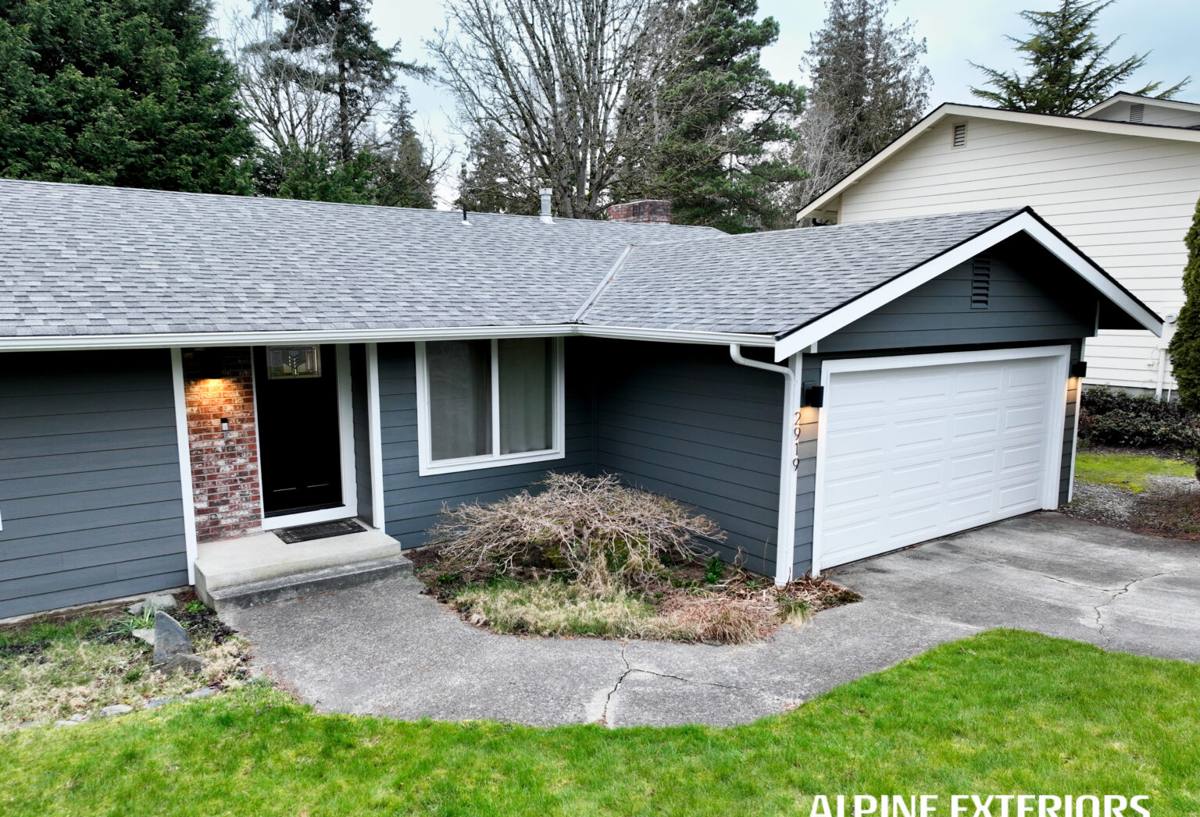
What Bradenton's Climate Does to Siding on a Tara Home
Intense, Nearly Year-Round UV
Florida's sun load is among the heaviest in the country, and it doesn't take a break for most of the year. Siding facing south and west exposure absorbs that UV directly, day after day, and over time it breaks down unstabilized paints and lower-grade siding substrates from the outside in. The most common visible sign is chalking or fading that shows up unevenly across a wall, worse on the sun-facing sides than the shaded ones — a clue that the finish, not just the color, is failing.
Wind-Driven Rain
Manatee County doesn't just get rain — it gets rain pushed sideways by wind, especially during summer storm season and any tropical system that tracks through the region. Siding and trim that are only detailed to shed water falling straight down will let moisture drive up and under laps, around window trim, and into seams that look fine from the ground. On a Tara home, that kind of water intrusion tends to show up first at corners, around window and door casings, and anywhere flashing was installed as an afterthought rather than a planned part of the wall assembly.
Hurricane-Force Wind Events
Hurricane season is a real design condition for this area, not a rare event to plan around loosely. Siding, fastening patterns, and trim details all need to hold up under wind loads that a calmer inland climate elsewhere in the country simply doesn't require. A wall system that's marginal in ordinary weather is the one that fails first when a named storm brings sustained wind and debris impact, and repairing storm-damaged siding piecemeal after every season adds up faster than most homeowners expect.
Salt Air, Even This Far Inland
Tara isn't beachfront, but Bradenton's proximity to Tampa Bay and the Gulf means salt-laden air still reaches inland communities on prevailing winds, more than most homeowners realize until they see what it does to exposed metal. Fasteners, hose bibs, light fixtures, and any unprotected hardware on a home's exterior corrode faster here than they would well away from the coast, and that corrosion around fastener points can quietly compromise how well siding is actually holding onto the wall.
Signs a Tara Home Is Due for Siding Replacement
Not every siding problem calls for a full tear-off, but certain signs point toward replacement rather than another round of patching:
- Soft, spongy, or crumbling siding when pressed, especially near the bottom courses or around window sills
- Paint that's failing across large sections rather than one isolated spot, or that needs repainting more often than every few years
- Visible warping, buckling, or cupping in the siding panels or boards themselves
- Gaps opening up at seams, corners, or where siding meets trim, window casing, or the roofline
- A musty smell or visible staining on interior walls that back up to exterior siding
- Rising cooling bills that can't be explained by anything else, suggesting the wall assembly isn't sealing the way it should
- Siding that's original to a home now several decades old, even if it looks acceptable from the street
Why We Install Only James Hardie Fiber Cement
We used to consider a wider range of siding products before standardizing on one system. That decision came from watching, job after job across this part of Florida, which materials actually held up to sustained UV, wind-driven rain, and hurricane-season wind loads — and which ones turned into repeat maintenance calls a few years after installation. For a Tara home dealing with all of that at once, the case for fiber cement isn't close.
- Non-combustible core: Fiber cement doesn't feed a fire the way wood-based or wood-derived siding can, which matters for household safety and can matter for insurance underwriting as well.
- Factory-applied ColorPlus finish: The color is baked on under controlled factory conditions rather than brushed on in the field, so it resists the fading and chalking that Florida's UV load causes far longer than site-applied paint.
- Climate-engineered HZ product lines: Hardie builds different formulations for different climate zones, including HZ5 versions engineered for high-moisture, high-humidity regions like the Gulf Coast — a real match for a Bradenton property, not a generic one.
- Dimensional stability: Fiber cement doesn't swell, cup, or warp the way engineered wood siding can after repeated humidity and wet-season cycling, which matters given how long Florida's humid season actually runs.
- Strong transferable warranty: Hardie backs its products with a solid warranty structure when installed to spec, giving a homeowner real protection instead of a marketing claim.
We don't install LP SmartSide, vinyl siding, Cemplank, Allura, primed spruce, or cedar. Each has its place in the broader market, and plenty of homeowners elsewhere are satisfied with them. But we made a professional call that standing behind one system we trust completely, installed correctly, serves a Tara homeowner better than offering a cheaper option that quietly shifts maintenance risk back onto them a few years down the road — especially in a climate that punishes shortcuts as fast as this one does.
Comparing Siding Materials for a Manatee County Home
| Material | UV / Sun Resistance | Wind-Driven Rain Behavior | Long-Term Maintenance |
|---|---|---|---|
| James Hardie fiber cement | ColorPlus factory finish resists fading and chalking | Dense, stable material with engineered lap and flashing details | Low — occasional wash, no repainting cycle on ColorPlus finishes |
| Vinyl siding | Can fade, chalk, or become brittle under sustained Florida UV | Prone to warping and gaps opening at seams under wind load | Low upfront, but replacement rather than repair once it fails |
| LP SmartSide / engineered wood | Finish holds reasonably well but substrate is moisture-sensitive | Wood-based substrate can swell or delaminate if water gets behind it | Moderate — coating maintenance and edge sealing over time |
| Cedar or primed wood siding | Requires ongoing refinishing to resist sun damage | Absorbs moisture at joints and end grain if not maintained | High — regular repainting, sealing, and rot inspection |
Cost comparisons matter less than which material is actually still doing its job in ten or fifteen years. That's the real number to weigh, and it's the reason we standardized on one system instead of matching whatever a homeowner asks for.
What a Correct Siding Replacement Job Actually Involves
Tear-Off and Substrate Inspection
A full re-side starts with removing the old siding down to the sheathing, not covering over it. That step matters because it's the only point in the job where hidden rot, trapped moisture, or compromised sheathing actually becomes visible. On older Tara homes, this is often where we find the real story behind years of high cooling bills or a musty smell that never had an obvious source.
House Wrap and Flashing
The siding itself is the visible layer, but the water-resistive barrier and flashing underneath it are what actually keep a wall dry. Window and door openings, corners, and any wall penetration need flashing that's lapped correctly to shed water downward and outward — not caulk asked to do a job it was never designed for. This detail matters more here than in a milder climate, because wind-driven rain finds every gap a straight-down rain would never reach.
Fastening to Hardie Specification
James Hardie publishes specific fastening requirements by climate zone and wind exposure, and following that spec — rather than a generic fastening pattern — is what actually gives the wall system its wind resistance. Fastener type matters too, given how corrosive salt-influenced air can be on unprotected metal even this far inland.
Trim, Joints, and Finish Details
Joints get lapped and sealed rather than simply butted together, corners get proper trim rather than exposed cut edges, and factory-finished ColorPlus boards get handled and cut in ways that protect that finish through installation. These are the details that separate a job that looks right on day one from one that's still performing correctly five hurricane seasons later.
Our Process for a Tara Siding Replacement
- Walk-through and assessment: We inspect the current siding, look for signs of moisture intrusion, and give an honest read on whether the home needs a full replacement or a targeted repair.
- Written estimate: A clear scope of work and price, with no pressure to sign on the spot.
- Product selection: We walk through Hardie's plank, panel, and shingle profiles along with ColorPlus color options so the finished look fits the home and the neighborhood.
- Tear-off and inspection: Old siding comes off, sheathing gets checked, and any rot or damage gets addressed before anything new goes on.
- Installation to spec: House wrap, flashing, fastening, and trim work follow Hardie's climate-zone specifications, not a generic shortcut version.
- Final walk-through: We go over the finished job with the homeowner before calling it done.
Siding Replacement Readiness Checklist
- Walls checked for soft spots, staining, or gaps at seams and corners
- Trim and flashing around windows and doors inspected for cracking or separation
- South- and west-facing walls checked for excess fading or chalking compared to shaded sides
- Exterior fasteners and hardware checked for corrosion
- Interior walls backing exterior siding checked for staining or musty odor
- Age of current siding confirmed against typical service life for the material installed
Why a Crew That Already Works Tara Matters
A contractor who works this community regularly has a feel for how these homes actually behave through a full Florida year — which wall orientations fade or fail first, how older homes in the area were originally built and flashed, and what wind exposure looks like on a given lot versus a more sheltered one nearby. That familiarity shows up in practical decisions on install day: where to spend extra time on flashing, which fastening details are worth the added labor, and how to sequence a job around Florida's summer storm pattern instead of getting caught mid-tear-off when a system rolls through. It's the difference between a crew applying a one-size-fits-all approach and one that's actually seen how Tara homes hold up over time.
Get a Free, No-Pressure Estimate
If your Tara home has siding that's fading, softening, or just old enough that you're wondering whether it's time, we're glad to take a look and give you an honest answer — repair, partial replacement, or full re-side. Use the form below to schedule a free estimate, with no pressure to commit on the spot.