 Bradenton Siding
 Building Decks for the Village of the Arts — Where Character Meets Coastal Weather
The Village of the Arts is one of the most distinctive residential pockets in Bradenton. Small lots, older bungalow-style homes set close together, and a strong neighborhood identity mean a new deck here has to do two jobs at once: hold up under real Gulf Coast weather, and look like it belongs on the house it's attached to. A deck that would work fine on a newer home in a subdivision east of town often looks out of place — or gets built wrong for the lot — when it's dropped onto a smaller, older property in this neighborhood without adjustment.
We build and repair decks throughout Manatee County, and the jobs we do in the Village of the Arts get planned differently from the start. Tighter setbacks, older framing and foundations under the main house, mature landscaping, and narrow side-yard access all change how a deck gets designed and built here. This page covers what actually matters for a deck project in this specific neighborhood — not a generic overview of decking.
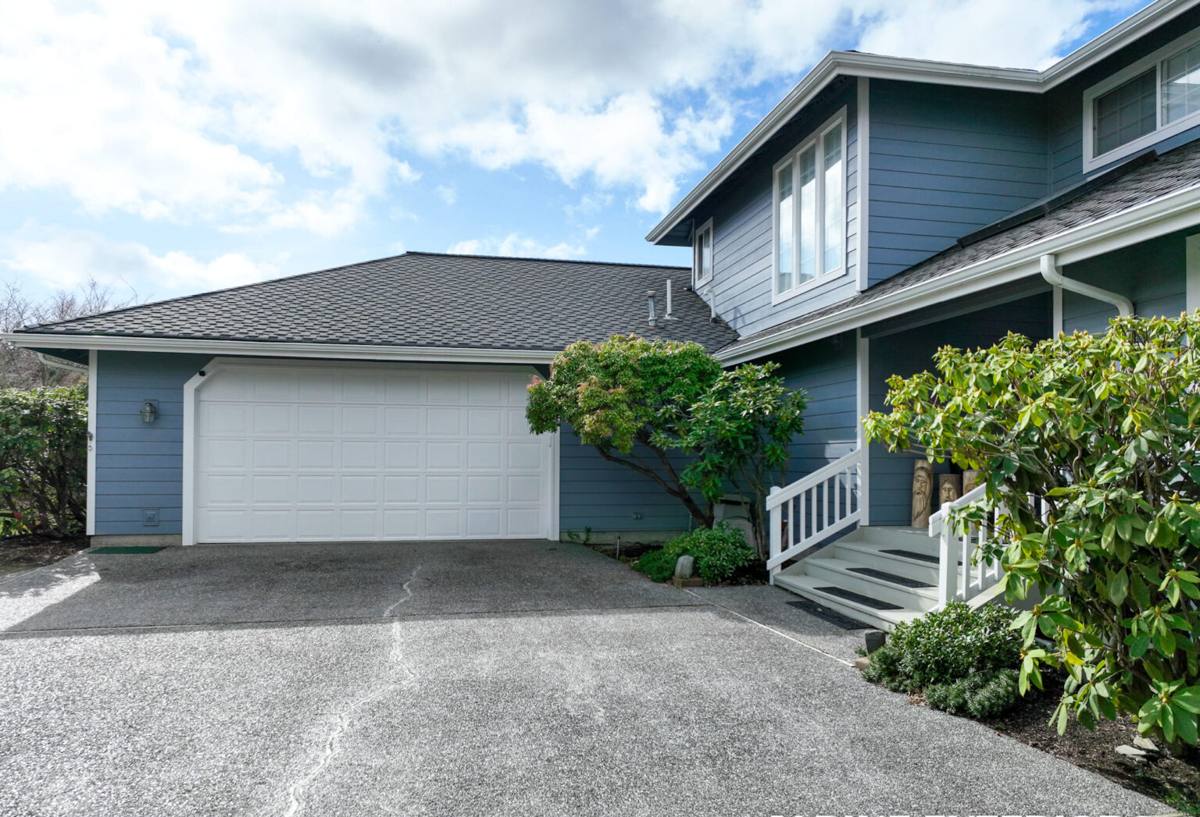
What Bradenton's Climate Does to an Unprotected Deck
Manatee County sits in a hurricane-exposed part of the Gulf Coast, and a deck is one of the more exposed structures on most properties. A few things work against it year-round:
- Hurricane-force wind: Uplift and racking forces during tropical storms and hurricanes put real stress on ledger connections, post bases, and railing systems — especially on older homes where the ledger attaches to framing that wasn't built with today's wind loads in mind.
- Intense, near-constant UV: Florida sun breaks down unsealed wood fibers, fades stains and paints, and degrades lower-grade composite decking faster than in most of the country.
- Wind-driven rain: Storms here don't just drop rain straight down — it drives sideways into ledger boards, fascia, and any gap where water can get behind a fastener or under a board.
- Salt air: Even set back from the water, Bradenton properties see salt-laden air that accelerates corrosion on standard fasteners, hardware, and connectors.
None of this is unique to the Village of the Arts, but it matters more here because so many of the homes are older. A deck built without accounting for these forces might look fine for a season or two before ledger rot, corroded hardware, or a failed railing connection shows up.
Choosing the Right Decking Material for This Climate
There's no single "best" decking material — the right choice depends on your budget, how much upkeep you want to do, and how the deck needs to read against your house. Here's how the common options actually compare in a Gulf Coast climate like Bradenton's:
| Material | Upfront Cost | Maintenance | How It Holds Up Here |
|---|---|---|---|
| Pressure-treated pine | Lowest | Annual cleaning and re-sealing recommended | Good if sealed regularly; UV and humidity will gray and check unsealed boards within a year or two |
| Composite decking | Mid to upper-mid | Occasional washing, no staining or sealing | Handles UV and moisture well; quality varies a lot by product line, so the specific brand and grade matters |
| PVC/capped polymer | Highest of the three | Lowest — mostly rinsing | Best resistance to moisture and UV fading; a common choice for exposed, sun-heavy decks |
| Tropical hardwoods (e.g., ipe) | High | Periodic oiling to maintain color | Naturally dense and rot-resistant, but requires disciplined maintenance and specific fastening methods |
For a lot of Village of the Arts homes, the deciding factor ends up being appearance as much as performance — a composite or hardwood deck reads differently against a painted historic bungalow than it would against a stucco modern build. We'll walk through the honest trade-offs for your specific house rather than pushing one product line.
Getting the Structure Right — Not Just the Surface
The decking boards are the part everyone sees, but the framing underneath is what determines whether the deck survives its first real storm season. This is where a lot of quick, budget deck jobs fall short.
Ledger attachment
The ledger board — where the deck ties into the house — is the single most important connection on most decks. On older homes, we check what the ledger is actually being lashed to before we assume it can carry the load. Flashing behind the ledger is non-negotiable in a climate with this much wind-driven rain; skipping it is how you get hidden rot behind the rim joist years down the road.
Fasteners and hardware
Standard hardware corrodes faster near the Gulf. We use fastener and connector hardware rated for coastal or exterior exposure — hot-dip galvanized or stainless, depending on the application — rather than whatever is cheapest at the box store. It costs a little more up front and saves you from rust streaks and weakened joints in a few years.
Wind-load framing
Post-to-beam and beam-to-joist connections get hurricane ties and proper structural connectors sized for local wind-load requirements, not just toe-nailed lumber. Footings get sized to the actual soil and load conditions on your lot rather than a one-size-fits-all depth.
Designing a Deck That Fits an Older Bungalow Streetscape
Village of the Arts homes tend to be smaller-footprint bungalows on narrow lots, often with neighbors close by on either side. A few design realities come up on almost every project here:
- Scale: A deck sized for a big suburban backyard usually overwhelms a smaller lot. We design to the actual yard, not a standard template.
- Access: Narrow side yards and mature landscaping mean equipment and material staging has to be planned before the first post hole is dug, not figured out on the fly.
- Railing and trim style: Matching or complementing the trim details, colors, and porch lines of an older home makes a deck look built-in rather than bolted-on.
- Setbacks and permitting: Smaller, older lots sometimes have less margin for setback rules than newer subdivisions. We confirm what your specific lot allows before finalizing a design, rather than assuming.
None of this is guesswork we do after signing a contract — it's part of the initial site visit and design conversation, before we ever price the job.
Our Process, Start to Finish
- On-site assessment: We walk the property, look at the existing structure (if there's an old deck to replace), check ledger and foundation conditions, and talk through how you'll actually use the space.
- Design and material selection: We put together a plan sized to your lot and budget, with honest pros and cons for each decking material.
- Permitting: Deck construction in Manatee County and the City of Bradenton requires a permit in most cases. We handle the permit application and inspections as part of the job.
- Construction: Footings, framing, ledger flashing, decking, and railing — built in that order, with each stage set up to survive the next thirty years of Gulf Coast weather, not just pass a same-week inspection.
- Final walkthrough: We go over the finished deck with you, including basic care for whatever material you chose.
Maintaining Your Deck in Bradenton's Climate
Every decking material needs some upkeep here — the difference is how much and how often. A short seasonal checklist that applies to most decks in this area:
- Rinse off salt residue, pollen, and debris every few weeks, more often after storms
- Check railing posts and connections for movement after any major wind event
- Look at the ledger flashing area yearly for signs of trapped moisture or discoloration
- Re-seal or re-stain wood decking on the schedule the product calls for — don't wait until it's visibly gray
- Keep gaps between boards clear of leaves and organic debris that trap moisture
- Inspect fastener heads periodically for early rust or popping
A deck that gets this level of basic attention will outlast one that's ignored between problems, regardless of which material you chose.
Why a Crew That Already Works in the Village of the Arts Makes a Difference
A contractor who mostly builds decks on newer homes in open subdivisions will approach a Village of the Arts project the same way — and that's exactly how you end up with equipment that can't get through a side yard, a deck that dwarfs the lot, or a ledger connection that assumes framing conditions the house doesn't actually have. Working this neighborhood regularly means we already know the permitting process with the City of Bradenton and Manatee County, we've planned around tight-lot access before, and we understand how to size a deck so it complements a smaller historic home instead of overwhelming it.
If you're considering a new deck or need an old one evaluated for storm damage or rot, we'll come out, look at your specific property, and give you a straight assessment — no pressure, no generic sales pitch. Reach out using the form below for a free estimate.