 Bradenton Siding
 New Construction in an Established Arts District
Village of the Arts isn't a typical new-construction setting. It's a compact, walkable pocket of Bradenton where older cottages and bungalows — many doubling as galleries, studios, or live-work spaces — sit close together on narrow lots. New builds, additions, and full rebuilds happen here regularly, but they happen inside a neighborhood with a strong, established visual character. A window package that would look fine in a subdivision can look out of place on a street where the whole point is the mix of color, texture, and older Florida cottage lines.
That means new-construction windows in this part of Bradenton have to do two jobs at once: meet the same structural and wind requirements as any new opening in Manatee County, and fit into a streetscape where neighbors, visitors, and other artists notice details. Getting both right takes more than picking a product off a spec sheet.
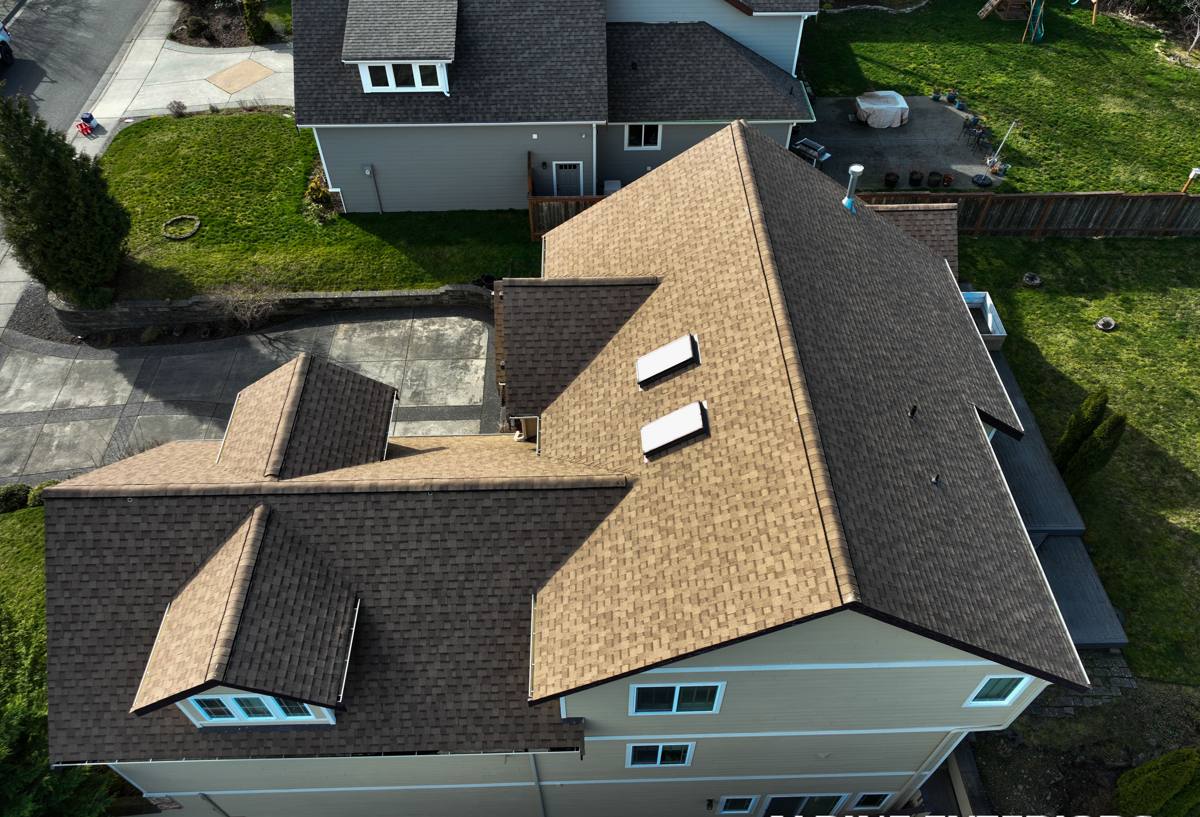
What This Coastal Location Demands From a New-Construction Window
Bradenton sits on the Gulf Coast, and Manatee County construction has to answer to that location on every new opening, not just the finish work. A handful of conditions drive the decisions on a new-construction window here:
- Hurricane-force wind — every new window opening is engineered load, not just an aesthetic choice, and has to be rated for the wind pressures that apply to its specific location on the structure.
- Intense, year-round UV — Florida sun breaks down lesser-grade vinyl, seals, and glazing coatings faster than in most of the country, so frame material and glass coatings matter for long-term appearance and performance, not just day-one looks.
- Wind-driven rain — squalls off the Gulf push rain sideways and test flashing, sill pans, and drainage details far harder than a straight-down rainstorm ever would.
- Salt air — even a few miles inland, salt in the air corrodes hardware, fasteners, and lower-grade aluminum components over time if they aren't specified for coastal exposure.
None of this is unique to Village of the Arts specifically, but it's the baseline every new-construction window in this part of Bradenton has to be built and installed against.
New-Construction vs. Replacement: Why It's a Different Job
A lot of homeowners searching for window work are really thinking about replacement — swapping an old window for a new one inside an existing opening. New construction is a different scope entirely. Instead of retrofitting into a finished wall, the window is set into a framed rough opening before exterior finish goes on, with its nailing flange integrated directly into the weather-resistive barrier and flashing system. Done correctly, water is directed out and away from the wall assembly before stucco, siding, or trim ever covers the opening. Done poorly, you get a leak that doesn't show up for a year or two, buried behind finished walls.
Where Windows Fit in the Build Sequence
On a new build or addition, window installation is tied tightly to the schedule of other trades. The general order looks like this:
- Framing is completed and rough openings are checked against the approved window schedule.
- House wrap or the weather-resistive barrier is installed around the openings.
- A sill pan is set at the base of each opening to direct any intrusion back outside.
- The window is set, leveled, and its flange is integrated with the WRB using flashing tape — not just caulk.
- Shims and fasteners secure the frame without distorting it.
- Exterior finish (stucco, siding, or trim) is applied over the properly flashed flange.
- Interior trim and sealant complete the install once the exterior is closed up.
Skipping or rushing any one of those steps is where new-construction window problems actually come from — not from the product itself.
Wind & Impact Requirements for This Stretch of the Gulf Coast
Manatee County isn't in Florida's High-Velocity Hurricane Zone, but it is within the wind-borne debris region under the Florida Building Code, which means new window openings generally need either impact-rated glazing or an approved shutter system, along with a design pressure (DP) rating appropriate to the building's height and location. The exact wind speed line and DP requirement can vary depending on where a lot sits relative to the coast and the structure's height, so the right move is always to confirm the specific requirement for that address with the Manatee County building department or through the engineer of record on the project — not to assume one house's requirement matches the next one over.
For most new-construction projects in Village of the Arts, impact-rated glass is the practical choice over shutters. It protects the opening permanently, doesn't require anyone to deploy anything before a storm, and avoids covering up the window's appearance — which matters more here than in a lot of neighborhoods.
Matching the Product to the Neighborhood's Character
Impact-rated new-construction windows come in enough frame, color, and glazing options that meeting code and fitting a bungalow or cottage aesthetic aren't in conflict — but it does take some deliberate choices instead of defaulting to whatever's in stock.
Frame Color and Profile
Slim sightlines and colors that read closer to painted wood or a period-appropriate white, cream, or bronze tend to sit better on older-style cottage architecture than a heavy, dark contemporary frame — though a bolder frame color can work well on a home that's leaning into a more modern or gallery-style look. The right call depends on the specific structure and what the rest of the block is doing.
Grille Patterns and Glass
Simulated divided-lite grille patterns can echo the multi-pane look common on older Florida cottages without giving up the thermal and structural performance of a single sealed impact unit. For homes going for a cleaner, more open look, an unbroken pane with no grille is just as valid a choice — this is really about matching the specific house, not applying one rule to every project in the neighborhood.
Frame Material: Cost and Performance Factors
Frame material is one of the biggest drivers of both upfront cost and long-term performance in a salt-air, high-UV environment. Costs vary by project size, DP rating, and finish options, so treat the ranges below as relative positioning, not fixed pricing — a written, itemized quote for the specific job is the only reliable number.
| Material | Typical Cost Position | Salt-Air & Corrosion Resistance | Maintenance | Best Fit |
|---|---|---|---|---|
| Vinyl (impact-rated) | Lower to mid | Good — won't corrode, but color and finish can fade with sustained UV over many years | Low | Budget-conscious new construction, additions |
| Aluminum (coastal-grade) | Mid to upper | Very good when properly finished and hardware-rated for coastal use; lesser-grade aluminum corrodes faster near the coast | Low to moderate | Slimmer sightlines, larger openings |
| Fiberglass | Upper | Excellent — dimensionally stable, resists UV degradation and corrosion well | Low | Long-term owners prioritizing durability |
Beyond frame material, the number of openings, custom shapes (transoms, arched tops, and other details common on cottage-style architecture), and the specific DP rating required for the lot all move the total cost up or down.
Our New-Construction Window Process
For a new build or addition in Village of the Arts, our process starts before a single window ships:
- Review the approved plans and window schedule with the homeowner or builder, and confirm DP rating requirements for the specific address.
- Verify rough openings on-site against the approved schedule before ordering anything.
- Order the correct impact-rated product in the frame material, color, and grille pattern selected for the project.
- Coordinate install timing with the framing and stucco or siding crews so windows go in at the right point in the sequence.
- Install with sill pan flashing and flange integration into the WRB — not caulk alone.
- Prep documentation and access for the county inspection before exterior finish covers the work.
- Walk the finished openings with the homeowner before calling the job complete.
That inspection step matters as much as the install itself. Flashing and flange integration have to be visible and verifiable before stucco or siding closes them up — it's the one point in the whole process where a mistake is still cheap to catch.
Why a Crew That Already Works Here Matters
A neighborhood like this one has its own set of practical wrinkles that don't show up on a spec sheet: narrow lots and tight setbacks that limit staging and equipment access, close-set neighboring structures, and a streetscape where an out-of-place window package is noticeable in a way it wouldn't be elsewhere in Bradenton. A crew that has already worked Village of the Arts knows how to stage materials without blocking a neighbor's driveway or crowding a studio's outdoor space, and has a working relationship with the Manatee County building department's inspection process from having gone through it here before.
That familiarity doesn't replace doing the technical work correctly — flashing, DP ratings, and code compliance are the same regardless of who's on the job — but it does mean fewer surprises during scheduling, staging, and inspection, and a better read on what fits the block.
If you're planning a new build or addition in Village of the Arts and need new-construction windows done right the first time, we're happy to walk the site and talk through options. Request a free, no-pressure estimate using the form below.