 Bradenton Siding
 Roofing in Village of the Arts: A Neighborhood With Its Own Roofing Needs
Village of the Arts sits close to downtown Bradenton and has a housing stock unlike most newer subdivisions in Manatee County. Many of the homes here are older bungalows, cottages, and mid-century houses on narrow lots, often shaded by mature oak canopy. That combination — older roof decking, a mix of roof ages and styles, and trees close to the house — changes how a roof replacement should be planned and executed compared to a roof job on a new-construction home in a bare subdivision.
A roof replacement in this neighborhood isn't a one-size-fits-all job. It has to account for the age and condition of the structure underneath the shingles, tight access for equipment and dumpsters, tree debris and shade that affect material choice, and in some cases neighborhood character considerations that homeowners want respected even when the roofing material itself is upgraded to something more storm-resistant.
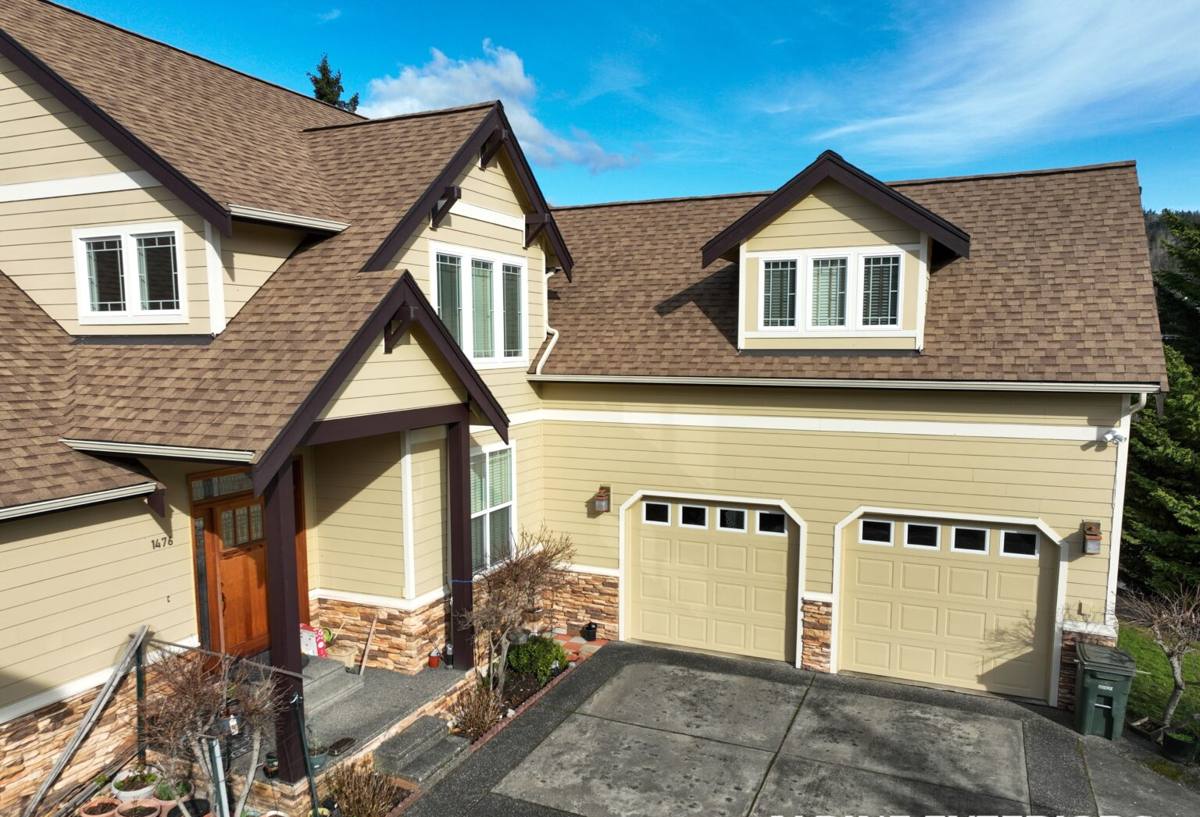
What Bradenton's Climate Does to a Roof
Every roof in Manatee County is working against the same set of conditions, and Village of the Arts is no exception. Hurricane-force winds can lift shingles, tear off ridge caps, and drive rain sideways under flashing that isn't properly sealed. Intense, near-year-round UV breaks down asphalt shingle mats and dries out sealant strips faster than in milder climates, which shortens the effective lifespan of a roof even when it looks fine from the ground. Salt air carried in off the Gulf accelerates corrosion on exposed fasteners, flashing, and metal roofing components, especially on homes closer to the coast.
Wind-driven rain is the one that causes the most hidden damage. It doesn't need a hole in your roof to get inside — it just needs a lifted shingle edge, an old pipe boot, or flashing that was never properly integrated with the underlayment. That's why a roof that "looks okay" from the street can still be letting water into the attic during every heavy summer storm.
Signs Your Roof Is Due for Replacement, Not Another Repair
Older homes in this part of Bradenton often have roofs that have already been patched once or twice. At some point, repair stops being the economical choice. Signs it's time to talk about full replacement instead of another patch:
- Shingles that are cracked, curling at the edges, or missing granules in patches (not just at one spot)
- Multiple soft spots or visible sagging when you walk the roof or view it from a ladder
- Repeated leaks in different locations after storms, rather than one recurring spot
- Roof is 18-20+ years old and has never been fully replaced, only patched
- Visible daylight, water staining, or a musty smell in the attic
- Granules collecting in gutters or at downspouts after every rain
- Flashing around chimneys, skylights, or roof-wall intersections that's rusted, lifted, or gapped
If you're seeing two or more of these, it's worth having someone look at the whole roof system rather than chasing one leak at a time.
Choosing the Right Roofing Material for an Older Bradenton Home
There's no single "best" roofing material — the right choice depends on your roof's pitch, your budget, how long you plan to stay in the home, and how much wind and UV performance you want to pay for up front. Here's how the common options compare for a home in this neighborhood:
| Material | Typical Lifespan | Wind Performance | Considerations for Village of the Arts |
|---|---|---|---|
| Architectural (dimensional) asphalt shingles | 20-30 years | Good, with proper nailing and high-wind rated products | Most common choice; wide color range fits older home aesthetics; moderate cost |
| 3-tab asphalt shingles | 15-20 years | Lower wind rating than architectural | Lower upfront cost but shorter service life in this climate; we generally steer homeowners toward architectural shingles instead |
| Standing seam metal | 40-50+ years | Excellent when properly installed | Higher upfront cost; performs well under tree canopy and salt air if coated fasteners and proper coatings are used |
| Tile (concrete or clay) | 40-50+ years | Very good, but individual tiles can crack from falling limbs | Heavier — requires structural check on older decking; common on some Bradenton homes but less common in this neighborhood's older bungalow stock |
For most Village of the Arts homes, architectural shingles rated for high wind hit the best balance of cost, appearance, and durability. Metal is worth a serious look for homeowners planning to stay long-term, since the higher upfront cost is offset by decades of additional service life and better performance under falling leaves and branch debris from the neighborhood's tree canopy.
A Note on Product Warranties
Manufacturer warranties on shingles are often marketed around their maximum wind rating, but that rating only applies if the installation matches the manufacturer's specifications exactly — nailing pattern, starter strip, ridge cap, and underlayment. A roof installed off-spec can void the warranty even if the shingles themselves are top quality. This is one of the most overlooked parts of a roof replacement, and it's a big reason installation quality matters as much as the material you pick.
What a Correct Roof Replacement Actually Involves
A roof replacement is more than swapping old shingles for new ones. Done right, it's a full system replacement:
Tear-Off and Deck Inspection
Full tear-off to the decking lets us actually see the condition of the wood underneath — something that's especially important on older Village of the Arts homes where decking may be original or from a prior repair job. Soft, water-damaged, or delaminated decking gets replaced before anything new goes down. Skipping this step and roofing over questionable decking is one of the most common shortcuts that leads to problems years later.
Underlayment and Water Barrier
The underlayment is your roof's real waterproofing layer — shingles shed most of the water, but underlayment is what protects the deck when wind drives rain underneath them. Given how much wind-driven rain this area sees, we don't treat this as an afterthought.
Flashing Details
Chimneys, skylights, pipe boots, and roof-to-wall intersections are where the majority of leaks originate — not in the open field of shingles. Proper step flashing, counter-flashing, and sealed penetrations are what actually keep water out during a sideways summer storm.
Ventilation
Older homes in this neighborhood sometimes have inadequate attic ventilation for the roof system installed. Proper intake and exhaust ventilation reduces attic heat buildup (which shortens shingle life under Florida sun) and helps manage moisture that can otherwise rot decking from the inside.
Permits, Wind Mitigation, and Manatee County Code
Roof replacements in Bradenton require a permit through the City of Bradenton or Manatee County, depending on the property, and the work has to meet current Florida Building Code wind-resistance requirements — which are stricter than what many of these older roofs were originally built to. A licensed contractor pulls the permit, schedules the required inspections, and makes sure the finished roof meets code, not just the way it looks.
Once the new roof is in, it's worth getting a wind mitigation inspection done. This documents the roof's actual construction (deck attachment, roof shape, secondary water barrier, and more) and can lower your homeowners insurance premium — sometimes significantly, since older roofs in this area often qualify for little to none of these credits before replacement.
If your property falls within any neighborhood overlay or design-review guidelines, it's worth a quick check with the city before finalizing material or color choices — most roofing materials are approved without issue, but it costs nothing to confirm ahead of time.
Our Roof Replacement Process
We keep the process straightforward and communicate at each stage so there are no surprises:
- On-site inspection and honest assessment of whether repair or replacement makes sense
- Written estimate covering material options, scope, and timeline
- Permit pulled and scheduled with the city or county
- Property protection — landscaping, driveway, and outdoor living areas covered before work starts
- Full tear-off and deck inspection, with any rot or damage addressed before new material goes down
- Underlayment, flashing, and new roofing material installed to code and manufacturer spec
- Full cleanup, including magnetic sweep for nails and debris removal
- Final walkthrough and city inspection sign-off
What to expect on install day:
- A clear start and estimated completion window communicated in advance
- Coordination around narrow driveways, on-street parking, and close-set neighboring homes
- Protection for gardens, AC units, and anything under the eaves
- Daily cleanup, not just a single cleanup at the end of the job
- A final walk-through where we point out what was done, not just hand you an invoice
Cost Factors for a Village of the Arts Roof Replacement
Costs vary based on several factors specific to older, close-set neighborhoods like this one, not just square footage:
| Factor | Why It Matters |
|---|---|
| Roof size and pitch | Steeper roofs and more complex rooflines take more labor and material |
| Number of existing layers | Tear-off of multiple old layers adds time and disposal cost |
| Decking condition | Rotted or delaminated plywood found during tear-off requires replacement |
| Material selected | Architectural shingles, metal, and tile carry different material and labor costs |
| Site access | Narrow lots, tree canopy, and tight driveways can affect equipment staging and cleanup time |
| Permit and code upgrades | Bringing older roofs up to current wind-resistance code may require additional bracing or attachment work |
Because of these variables, we don't quote roof replacements over the phone. A roughly $400-$600 mid-size roof repair and a full replacement running into the low-to-mid five figures are very different scopes of work, and the only way to give an honest number is to actually get on the roof and look at the decking.
Why Local Experience in Village of the Arts Matters
A crew that's already worked in this neighborhood knows what to expect: the age range of the housing stock, the tight lot access, the tree cover that affects both material choice and daily cleanup, and the local permitting process through the city and county. That familiarity means fewer surprises mid-project and a roof that's built for the specific conditions of this part of Bradenton — not a generic install that happens to be located here.
If your roof is showing its age, or you just want a straight answer on whether it needs replacing or can hold on with a repair, we're happy to take a look. Reach out below for a free, no-pressure estimate — no obligation, just an honest assessment of where your roof actually stands.