 Bradenton Siding
 Composite Decking Built for Whitfield Estates' Conditions
Whitfield Estates sits in one of Manatee County's older, more established residential pockets, close enough to Sarasota Bay that salt air, humidity, and afternoon storms are simply part of daily life. Homes here tend to have mature landscaping and a mix of original and renovated outdoor living spaces, which means a lot of decks in this neighborhood are either aging out of their original lumber or were never designed for the way people actually use their backyards today. Composite decking has become the default recommendation for homeowners in this part of Bradenton for a simple reason: it's built to shrug off the specific abuse that Gulf Coast weather delivers, rather than just tolerate it for a season or two.
This page is about that one job — composite decking, installed correctly, for homes in Whitfield Estates. Not a general decking overview, not a sales pitch for one brand over another. Just what actually matters when you're deciding on material, structure, and who puts it together.
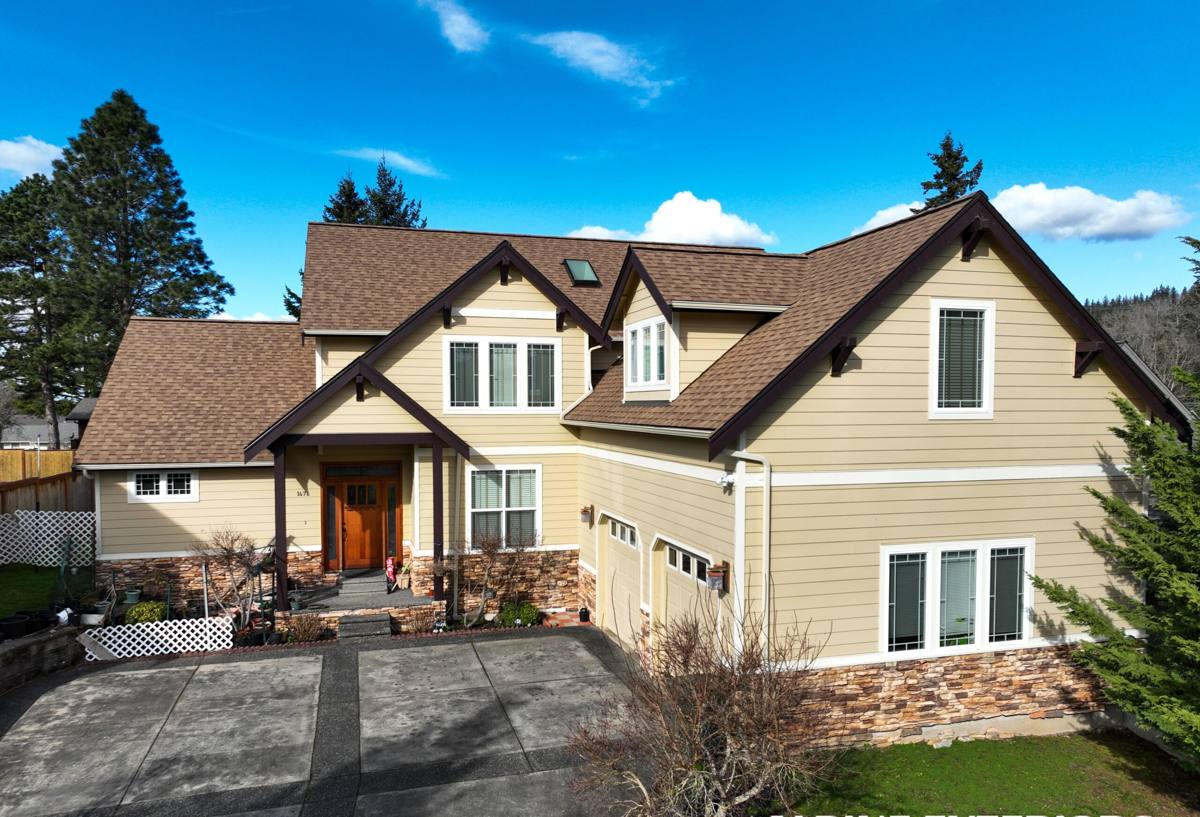
What Bradenton's Climate Actually Does to a Deck
It helps to be specific about what a deck in this area is up against, because it explains almost every decision that follows.
UV and Heat
Florida sun is relentless and year-round, not seasonal. Untreated or poorly finished wood grays, cracks, and splinters faster here than almost anywhere else in the country. UV also breaks down the resins and pigments in lower-grade composite boards over time, which is why board quality and cap technology matter more here than in a milder climate.
Wind-Driven Rain and Humidity
Afternoon storms don't just wet the surface of a deck — wind-driven rain gets pushed sideways and up under boards, into fastener holes, and against ledger connections. Combined with Bradenton's humidity, any framing member that can't drain and dry quickly becomes a rot or corrosion risk, whether it's wood or metal.
Salt Air
Being close to Sarasota Bay means airborne salt is a constant, low-level presence even away from the immediate waterfront. Salt accelerates corrosion in fasteners, brackets, and any exposed metal hardware, and it degrades certain finishes and coatings faster than inland exposure would.
Hurricane-Force Wind Loads
Manatee County decks need to be built to hold together under real wind events, not just everyday weather. That's a structural question as much as a material one — ledger attachment, post connections, and joist hangers all have to be rated and installed correctly, because a deck that fails structurally in a storm is a much bigger problem than one that just needs a new board.
Composite vs. Wood vs. PVC in a Coastal Climate
Every material has trade-offs. Here's how they compare for a Whitfield Estates backyard specifically, not in the abstract.
| Factor | Pressure-Treated Wood | Composite | Cellular PVC |
|---|---|---|---|
| Upfront cost | Lowest | Mid-range | Highest |
| Maintenance | Annual sealing/staining recommended | Occasional soap-and-water cleaning | Minimal |
| UV fading/graying | Fast without upkeep | Slow, cap-protected on quality boards | Slow |
| Salt air/humidity tolerance | Moderate; fasteners and end grain are weak points | Good; engineered for moisture exposure | Very good; doesn't absorb moisture |
| Heat underfoot | Moderate | Can run warm on darker colors | Runs cooler on lighter colors |
| Warranty structure | Typically none from the material itself | 25–50 year limited, brand-dependent | Often lifetime, brand-dependent |
For most Whitfield Estates homeowners, composite lands in the sweet spot: meaningfully lower maintenance than wood, a real warranty behind the material, and a cost that doesn't jump all the way to PVC pricing. We'll walk you through where PVC might make more sense for your specific project — it's a legitimate option, just usually not the first one we recommend for a typical backyard deck.
What a Correct Composite Deck Installation Actually Involves
Composite boards are only as good as what's underneath them. Most of the problems we get called out to fix on other contractors' work trace back to the substructure, not the decking material itself.
Framing and Ledger Attachment
The ledger board — where the deck attaches to the house — has to be flashed and fastened correctly to keep wind-driven rain from getting behind it and rotting the rim joist. This is the single most common failure point we see on older decks in this area.
Joist Spacing
Composite boards generally need tighter joist spacing than solid wood decking, especially at angles or on stair treads. Manufacturers publish specific span tables, and skipping them is how boards end up with a spongy feel or long-term sagging.
Fastener Selection
Coastal air corrodes the wrong hardware fast. Stainless steel or coated, corrosion-rated fasteners and hidden fastening systems matched to the board manufacturer's specs are non-negotiable here — not an upsell.
Ventilation and Drainage
Composite boards don't rot, but the framing underneath them still can if moisture has nowhere to go. Proper gapping between boards and airflow underneath the deck are part of a correct install, not an afterthought.
Our installation process, start to finish:
- On-site assessment of the existing structure, drainage, and how the space is actually used
- Material and color selection based on sun exposure and household preference
- Permit pull and structural plan review through Manatee County where required
- Framing repair or replacement, built to current wind-load requirements
- Board installation with manufacturer-specified fasteners and spacing
- Railing, fascia, and stair finishing
- Final walkthrough and cleanup
Board Selection and Our Standards
We install composite decking from established manufacturers with capped board technology — meaning the board has a protective outer layer bonded to the core — because uncapped or lower-tier composite boards absorb more moisture at cut edges and fade faster under constant Florida UV. That's a maintenance and longevity call, not a brand loyalty one. We'll go over specific product lines, colors, and warranty terms during your estimate, and we're upfront about the trade-offs of every option rather than steering you toward whatever has the best margin.
One thing we don't do is cut corners on fastening systems or substructure to hit a lower price point on a bid. A composite deck is only worth the investment if the frame underneath it is built to last as long as the boards are warrantied for.
Maintenance in a Salt-Air, High-UV Environment
Composite decking is low-maintenance, not no-maintenance. In Whitfield Estates, a little seasonal attention goes a long way toward hitting the full lifespan of the material.
- Rinse or sweep off salt residue and pollen buildup every few weeks, more often near the bay-facing side of the property
- Clean spills and organic debris (leaves, pollen, tree sap) promptly to prevent surface staining
- Wash the full deck surface with soap and water, or a manufacturer-approved cleaner, a couple of times a year
- Check railing posts and stair connections annually for looseness after storm season
- Keep gutters and downspouts clear so runoff isn't dumping directly onto the deck surface
- Inspect fastener heads and hidden clips periodically for corrosion, especially in the first few years
Permitting and Local Building Considerations
Deck work in unincorporated Manatee County, which covers Whitfield Estates, generally requires a permit and inspection when it involves structural changes, new footings, or attachment to the home. Wind-load requirements here are not optional extras — they're baked into the code because storm exposure is a real, recurring risk for this part of the coast. We handle the permitting process as part of the job, including making sure footings, ledger attachment, and railing height meet current code rather than whatever standard was in place when an older deck was originally built.
Why a Local Whitfield Estates Crew Matters
A crew that regularly works in this neighborhood already knows the practical realities: typical lot layouts, how close homes sit to mature trees and landscaping, what county inspectors look for, and how exposed a given yard is to bay breeze versus more sheltered interior lots. That translates into fewer surprises mid-project — right-sized material orders, framing built for the wind exposure your specific property actually sees, and a permit process that doesn't stall the job.
It also means accountability. We're not a crew passing through the area for one job; we're working houses near yours on a regular basis, and our reputation in Bradenton depends on decks that hold up through hurricane season, not just look good at handoff.
Getting Started
If you're weighing a new composite deck, a full tear-out and rebuild, or just want an honest read on whether your current deck's frame is salvageable, we're happy to take a look. Estimates are free, there's no pressure attached, and you'll get a straight answer about what your project actually needs — use the form below to get started.