 Bradenton Siding
 New-Construction Windows in Whitfield Estates: Built for the Coast, Not Just Installed
Whitfield Estates sits close enough to the water that salt air, wind-driven rain, and storm exposure are part of daily life for the homes here, whether they're older Florida ranch-style houses or newer builds going up on infill lots. When we talk about "new-construction windows," we mean windows installed into a framed opening as part of new construction or a full-tear-out replacement, not an insert window dropped into an existing frame. That distinction matters more here than in most parts of the country, because Manatee County's building code and the realities of Gulf Coast weather both push hard toward doing this job correctly the first time.
A new-construction window installation gives us access to the rough opening, the sheathing, the weather-resistive barrier, and the framing itself. That access is what lets us build a window system that actually holds up to hurricane-force wind loads and wind-driven rain intrusion, instead of just looking right from the curb. On a coastal-adjacent property like the ones in Whitfield Estates, that difference shows up the first time a named storm pushes rain sideways against the house.
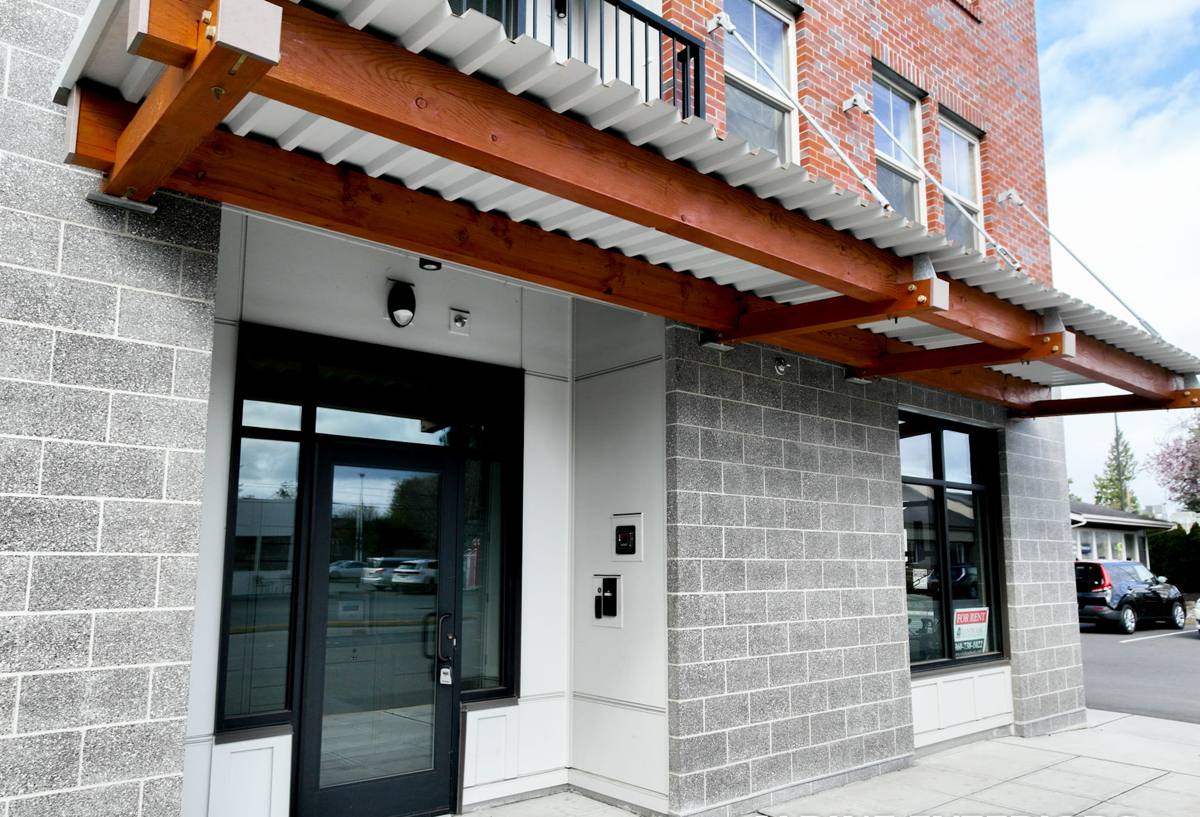
What Whitfield Estates Homes Actually Need From Their Windows
This is a neighborhood with a real mix of housing stock — established homes from past decades sitting near newer construction and remodels. New-construction window jobs here fall into a few common categories:
- Ground-up new builds on infill or waterfront-adjacent lots, where windows go in as part of the original framing
- Full renovations where exterior walls are opened up to studs, giving us a true new-construction opportunity even on an older house
- Additions or bump-outs that need to match the wind-load and impact performance of the rest of the home
In all three cases, the products need to handle the same regional stresses: sustained high winds and gusts during tropical systems, UV exposure that runs nearly year-round in this part of Florida, wind-driven rain that tests every seal and flashing detail, and salt-laden air that accelerates corrosion on hardware and fasteners that aren't rated for it. A window that's a great fit in a drier, cooler climate can underperform quickly here if it wasn't specified with these conditions in mind.
Wind and Impact Requirements
Manatee County follows the Florida Building Code's wind-borne debris and pressure requirements, which vary by wind zone and building location. For most of the Bradenton area, that means windows need to carry a documented design pressure rating and either be impact-rated or paired with code-compliant shutter protection. We pull the specific requirement for each address rather than assuming — lot exposure, house height, and roofline all factor into what a permit will require.
Moisture and Flashing Details
Wind-driven rain doesn't fail windows through the glass — it fails them at the edges, where flashing, sealant, and the weather-resistive barrier meet the window frame. On a new-construction install, we integrate the window flashing into the wall's drainage plane in the correct shingle-lap sequence, so water that gets behind the cladding has a path back out instead of a place to collect. This is the single most common thing we find done wrong on other people's work when we're called in for a repair.
Salt Air and Hardware Corrosion
Whitfield Estates' proximity to the water means airborne salt is a real factor, even on homes that aren't waterfront. Standard steel fasteners and low-grade hardware corrode faster here than they would inland. We spec corrosion-resistant fasteners and hardware rated for coastal exposure as standard practice, not an upgrade — cutting corners here means callbacks and premature failure that cost more than doing it right the first time.
What a Correct New-Construction Window Install Involves
The window unit itself is only one piece of the job. A correct installation is really a sequence of steps that each depend on the one before it:
- Rough opening verification — confirming the framed opening is square, plumb, and sized correctly before the window ever arrives on site
- Weather-resistive barrier integration — lapping the housewrap or building paper correctly around the opening so it ties into the flashing system
- Flashing installation — sill pan, jamb flashing, and head flashing installed in the correct order so water sheds outward at every layer
- Window setting and fastening — shimming for square and level, then fastening per the manufacturer's tested installation instructions (this is what preserves the design pressure rating)
- Sealant and backer rod — sealing the exterior perimeter with a product compatible with both the window frame and the cladding, not just whatever caulk is on the truck
- Interior air sealing and trim — closing up the interior side for energy performance and finish
- Final inspection — checking operation, drainage, and seal integrity before we call the job done
Skipping or rushing any one of these steps is how a window that looks fine on installation day ends up leaking, sticking, or failing a wind event two years later.
Our Process for Whitfield Estates Projects
Because we already work regularly in and around this part of Bradenton, we know the general permitting expectations for Manatee County and what inspectors here are looking for on a window rough-in and final. Our process on a typical project:
- On-site assessment of the opening(s), current wall assembly, and wind exposure for the specific lot
- Honest product recommendation based on the home's design pressure requirement, budget, and appearance goals — not a one-size-fits-all pitch
- Permit pulled and coordinated with Manatee County before any work starts
- Rough opening prep, flashing, and window setting done to manufacturer specs so the tested wind and water ratings actually apply
- Final walkthrough covering operation, warranty paperwork, and care
Working the same neighborhoods repeatedly means we're not learning the local wind zone requirements or common house construction on the client's dime — we already know what a Whitfield Estates opening typically looks like and what it takes to get it right.
Product Options: What We Install and Why
We install impact-rated and non-impact-rated aluminum and vinyl window systems depending on the home's requirements and the owner's priorities. Impact glass (laminated glass with an interlayer) is the most common path to meeting wind-borne debris requirements without relying on separate shutters, and it has the advantage of providing protection even when nobody's home to deploy shutters ahead of a storm. Shutter systems paired with standard glass are a valid, sometimes more economical alternative, but they require someone to actually put them up before a storm arrives.
We don't push a single brand as the answer for every house. Frame material, glazing package, and hardware grade all get chosen based on the specific exposure, budget, and how the home is used.
| Factor | What to Weigh |
|---|---|
| Frame material | Vinyl resists corrosion well and needs little maintenance; aluminum offers narrower sightlines and higher strength for large openings but needs a quality finish to resist coastal corrosion |
| Impact vs. shutters | Impact glass protects the opening at all times; shutters cost less upfront but require action before every storm |
| Glazing package | Low-E coatings and appropriate tint cut UV-driven fading and heat gain, which matters given the near-constant sun exposure here |
| Hardware grade | Coastal-rated hardware and fasteners resist salt air corrosion; standard-grade hardware may corrode and bind within a few years near the water |
| Warranty structure | Manufacturer warranties often distinguish between the glass unit and the frame/hardware, and can be affected by how the window was installed |
Maintenance That Actually Extends Window Life Here
New-construction windows are a long-term investment, and the maintenance that matters most in a salt-air, high-UV climate is different from what a homeowner further inland needs to think about:
- Rinse frames and tracks periodically to clear salt residue before it attacks hardware and finishes
- Inspect exterior sealant annually for cracking or separation, especially after storm season
- Keep weep holes clear so water draining out of the frame has somewhere to go
- Check operating hardware for stiffness or corrosion and address it early rather than letting it seize
- Have shutters (if used) inspected and tested well before hurricane season, not the week a storm is forecast
Why Local Experience in Whitfield Estates Matters
Window installation isn't a generic task you can do identically anywhere in the country. The correct wind rating, the flashing approach, and the hardware grade all depend on the specific climate and code environment the house sits in. A crew that already works in and around Bradenton and Manatee County isn't guessing at wind zone requirements or relearning coastal best practices on your project — that knowledge gets built in from the first site visit.
If you're planning new-construction windows for a build, renovation, or addition in Whitfield Estates, we're happy to walk the site, look at the openings, and give you a straightforward assessment of what the home needs. Reach out for a free, no-pressure estimate using the form below.