 Bradenton Siding
 Roofing in Whitfield Estates: A Different Kind of Wear
Whitfield Estates sits close enough to Sarasota Bay and the Gulf that roofs here deal with a combination of stresses that inland Manatee County homes simply don't see as often. It's not one big problem — it's several smaller ones working on your roof at the same time, year after year, until they add up to a failure.
The four big factors are hurricane-force wind gusts during storm season, intense year-round UV exposure that most of the country never experiences, wind-driven rain that gets forced sideways and upward under loose or aging materials, and salt-laden air that accelerates corrosion on anything metal — nails, flashing, drip edge, vents. On their own, any one of these is manageable. Together, over a 15-to-20-year roof life, they're why a roof that would last three decades in a drier, cooler climate often needs replacement sooner here.
Why This Matters More in an Established Neighborhood
Whitfield Estates has a lot of mature tree canopy and a mix of home ages, which is part of what makes it a desirable place to live — but it also means roof decks and ventilation systems are frequently older than the shingles currently on top of them. A roof that "looks fine" from the street can be hiding decking that's lost its structural stiffness or a ventilation setup that's been trapping heat and moisture in the attic for years.
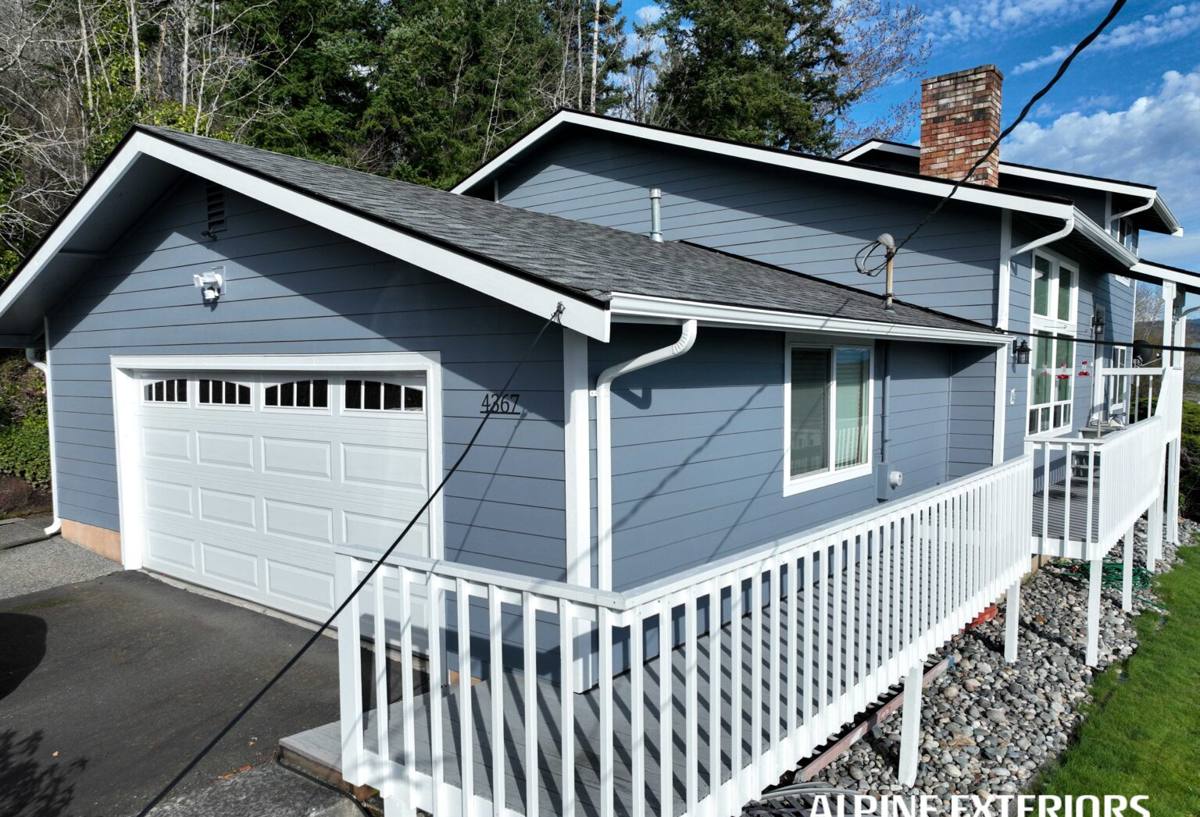
Signs a Whitfield Estates Roof Needs Full Replacement, Not a Patch
Not every roof problem calls for a full tear-off. But there's a point where patching becomes a waste of money because the underlying system — deck, underlayment, and flashing — is compromised, not just the top layer. Here's what tends to push a roof from "repair" into "replace" territory in this area:
- Granule loss heavy enough that you can see bare asphalt on multiple shingles, especially on south- and west-facing slopes that take the most UV
- Curling, cracking, or cupping shingles across a large section rather than a few isolated spots
- Soft or spongy decking found during a repair, which usually means water has been getting in for a while
- Repeated leaks in different locations after storms, rather than one recurring spot
- Rusted or lifting flashing around chimneys, skylights, and roof-wall intersections
- A roof that's already been patched more than once or twice in the last few years
- Visible sagging along the roofline, which points to structural, not cosmetic, wear
If your roof is showing two or more of these, it's worth getting a straight answer on whether repair still makes sense or whether you're better off putting that money toward a new system with a fresh warranty.
What a Correct New Roof Installation Actually Involves
A roof replacement is more than pulling off old shingles and nailing down new ones. In a coastal-influenced area like Bradenton, the steps that happen underneath the visible shingle layer are what determine whether the new roof holds up through the next decade of storms — or fails early in ways that are hard to spot until it's too late.
Tear-Off and Deck Inspection
Every old layer comes off down to the decking. This is the only point in the process where the crew can actually see the plywood or OSB underneath, check for soft spots, delamination, or nail pull-through, and replace any bad sections before anything new goes down. Skipping a full tear-off — or "roofing over" an existing layer — hides problems instead of fixing them.
Underlayment and Water Barrier
A synthetic or self-adhering underlayment goes down over the deck as the roof's real waterproofing layer. In wind-driven rain, water can travel sideways under the shingle tabs, so this layer — plus proper ice-and-water-shield-style membrane at eaves, valleys, and penetrations — is what actually keeps the house dry, not the shingles alone.
Flashing and Penetrations
Chimneys, skylights, plumbing vents, and roof-to-wall transitions are where most leaks originate, not the open field of shingles. New step flashing, counter-flashing, and pipe boots — rated for coastal exposure rather than bargain-grade metal that corrodes fast in salt air — belong at every one of these points.
Fastening for Wind
How and where shingles are nailed matters as much as the shingle itself. Proper nail placement, count, and pattern is what determines whether a roof meets its rated wind resistance in practice, not just on the product label. This is one of the most common places corners get cut on a rushed job.
Ventilation
Manatee County attics get hot. A balanced intake-and-exhaust ventilation system keeps attic temperatures and moisture in check, which extends shingle life and helps prevent the kind of trapped humidity that leads to deck rot from the inside out — often before you'd ever see it from a leak.
Choosing a Roofing System for This Climate
There's no single "best" roofing material for every home — it depends on your budget, your roof's slope and shape, and how long you plan to stay in the house. Here's an honest comparison of the systems most commonly installed in the Bradenton area:
| Material | Typical Lifespan | Wind Performance | Maintenance | Relative Cost |
|---|---|---|---|---|
| Architectural (dimensional) asphalt shingle | 18–25 years | Good, with proper fastening and rated products | Low | $ |
| 3-tab asphalt shingle | 12–18 years | Lower wind rating than architectural | Low | $ |
| Standing seam metal | 40–50+ years | Excellent | Very low | $$$ |
| Concrete or clay tile | 40–50+ years | Excellent when properly fastened | Moderate (occasional tile replacement) | $$$ |
Architectural shingles are the most common choice for a reason: a good mid-to-upper-tier product, installed correctly with the right nailing pattern and a quality underlayment, holds up well against Gulf Coast wind and UV without the upfront cost of metal or tile. Metal and tile cost more initially but spread that cost over a much longer service life, which can make sense if you're planning to stay in the home long-term. We'll walk through the honest trade-offs for your specific roof rather than pushing whatever has the best margin.
Permits, Codes, and Inspections in Manatee County
Roof replacements in Manatee County require a building permit and are subject to Florida's building code wind-load and product-approval requirements — not a suggestion, an inspected requirement. Materials used need current Florida product approval or Miami-Dade NOA listing appropriate for the wind zone, and the finished installation is checked by a county inspector before it's considered complete.
This isn't paperwork for its own sake. It's the mechanism that keeps a roof from being a liability the next time a named storm comes through — for your safety, your insurance claim if you ever need one, and your home's resale value. A contractor who treats permitting as optional is telling you something about how they'll treat the rest of the job.
Our Process, Start to Finish
- On-site inspection and estimate — we look at the actual condition of your roof, not just its age, and give you a straight assessment of repair vs. replacement.
- Material selection — we go over the realistic options for your roof's slope, structure, and budget, including the trade-offs in the table above.
- Permitting — we pull the required Manatee County permit before work begins.
- Tear-off and deck inspection — old materials removed, decking checked and repaired as needed.
- Underlayment, flashing, and new roofing installed — following manufacturer specs and code-required fastening for wind resistance.
- Cleanup and magnetic sweep — job site and yard cleared of debris and nails.
- Final walk-through and county inspection — signed off before we consider the job done.
Why a Crew That Already Works Whitfield Estates Matters
Roofing this neighborhood isn't the same as roofing a brand-new subdivision inland. Older tree canopy means more debris and organic buildup to plan around during tear-off. A mix of home ages means more variation in deck condition and roof framing than you'd find in a uniform newer development. And being close to the water means every metal component — flashing, fasteners, vents — needs to be spec'd for salt exposure, or it corrodes years before it should.
A crew that regularly works this area already knows the local permitting process at the Manatee County building department, has a feel for how these homes were originally built, and isn't guessing at material choices for the first time on your roof. That familiarity translates into fewer surprises mid-project and a system that's actually built for where it sits, not a generic installation dropped in without regard to the coastal environment.
After Installation: Keeping a New Roof Performing
A correctly installed roof still benefits from basic upkeep, especially in a climate that doesn't let up. A short annual routine goes a long way:
- Have the roof visually checked after any major storm for lifted shingles, damaged flashing, or debris buildup in valleys
- Keep gutters clear so water isn't backing up under the eaves
- Trim back tree limbs that overhang the roofline to reduce abrasion and debris
- Check attic ventilation isn't blocked by insulation or storage that's crept over vent openings
- Watch for granule buildup in gutters, which signals accelerating shingle wear
- Keep your roofing invoice and warranty paperwork together in case you ever need to file an insurance or warranty claim
None of this requires a professional visit every time — most of it is a five-minute check after a bad storm — but it's the difference between a roof that reaches its full expected lifespan and one that fails early because small issues went unnoticed.
Get a Straight Answer on Your Roof
If your roof in Whitfield Estates is showing its age, took a hit in the last storm, or you just want an honest read on how much life it has left, we're happy to take a look. The estimate is free, there's no pressure to sign anything on the spot, and you'll get a clear explanation of what we find and what your realistic options are. Fill out the form below to get started.