 Bradenton Siding
 Roof Replacement Built for Whitfield Estates' Coastal Conditions
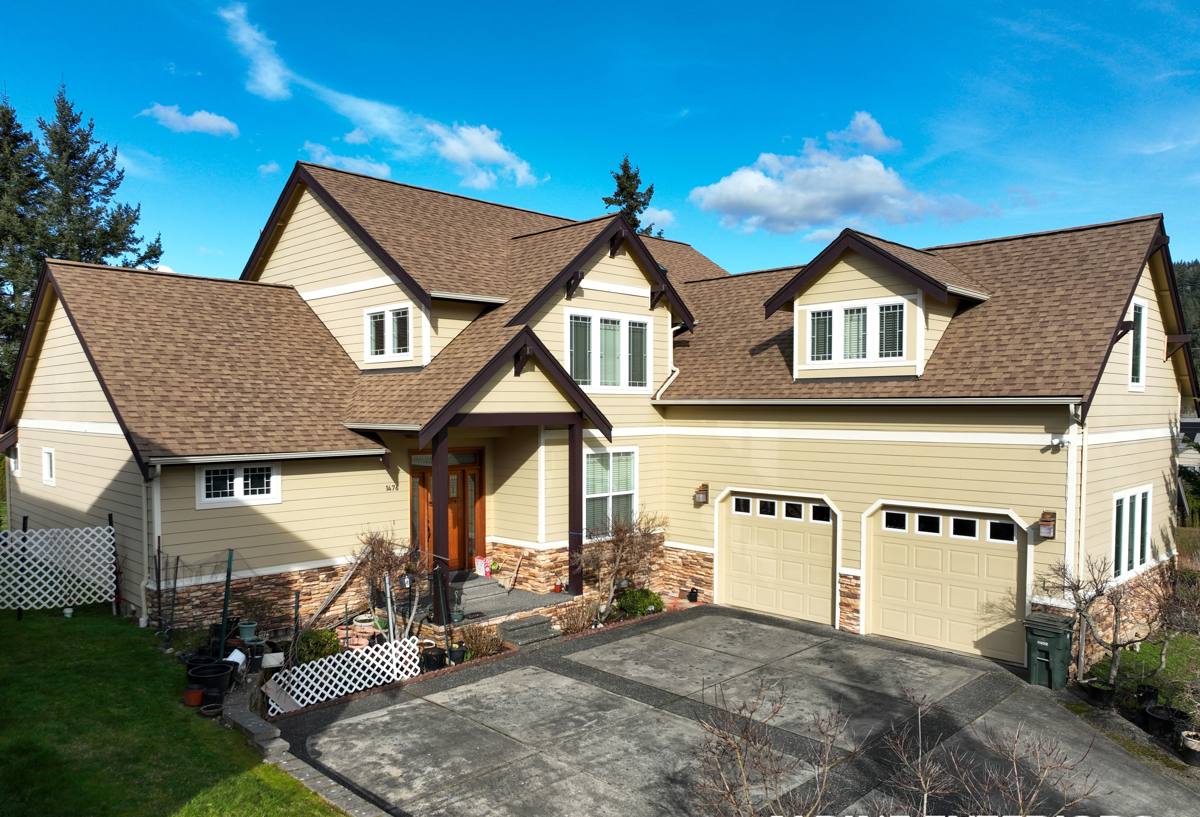
Whitfield Estates sits close enough to the water and to open Gulf exposure that its roofs work harder than roofs a few miles inland. This is one of the area's older, established neighborhoods, with mature tree canopy in many yards and a mix of homes ranging from decades-old ranch-style construction to newer builds. That mix matters for roofing, because an original roof deck from the 1970s or 1980s behaves very differently under a new roof system than a deck built to current Florida Building Code. A roof replacement here isn't just about swapping old shingles for new ones — it's about matching the system to the house, the tree cover, and the exposure.
We work in Bradenton and throughout Manatee County regularly, and Whitfield Estates comes with its own set of considerations: salt-laden air moving off the water, wind-driven rain that finds every gap in flashing and underlayment, and a tree canopy that means more debris load and more shading (which affects how a roof dries out after a storm). A correct replacement accounts for all of that, not just the shingle color.
What Bradenton's Climate Actually Does to a Roof
Hurricane-Force Wind
Manatee County sits in a wind-borne debris region under the Florida Building Code, which means roofing materials, fastening patterns, and underlayment are all governed by wind-uplift requirements — not just manufacturer suggestions. A roof that was installed correctly for a 2005 wind map may not meet what's required today. When we replace a roof, we're not just matching what was there before; we're bringing the whole assembly up to current code.
Year-Round UV Exposure
Florida sun is relentless on roofing materials every month of the year, not just in summer. UV breaks down asphalt shingle granules and oils over time, which is why a shingle roof's real-world lifespan in this climate often runs shorter than the manufacturer's headline number suggests. Underlayment and sealants degrade too, which is part of why what's underneath the shingles matters as much as the shingles themselves.
Wind-Driven Rain
It's rarely straight-down rain that causes leaks here — it's rain pushed sideways and upward under wind pressure during storms. That's a flashing and underlayment problem more than a shingle problem. Valleys, roof-to-wall transitions, and penetrations (vents, chimneys, skylights) are where wind-driven rain gets in, and they're the details that get rushed on a low-bid job.
Salt Air
Even homes not directly on the water get salt air movement inland, and it accelerates corrosion on any exposed metal — fasteners, flashing, vent boots, drip edge. Standard galvanized fasteners can corrode faster near the coast than they would inland, which is why fastener and flashing material selection is part of a proper coastal-area roof spec, not an afterthought.
Signs a Whitfield Estates Roof Needs Replacement, Not Just Repair
Not every roofing problem calls for full replacement. But there's a point where repeated repairs cost more over time than doing the job right once. Here's what tells us a roof has crossed that line:
- Granule loss heavy enough that shingles look patchy or bald, especially on south- and west-facing slopes
- Multiple layers of shingles already on the roof (common on older homes), which limits repair options and can violate current code for re-roofing
- Soft spots or sagging in the deck when walked, which usually means water has reached the wood
- Leaks that show up in more than one location, rather than one isolated spot
- Curling, cracking, or missing shingles across a large portion of the roof rather than a single storm-damaged section
- The roof is old enough that insurance carriers are requiring an inspection or non-renewal notice — increasingly common in coastal Florida counties
- Visible rust streaking at fasteners or flashing, a sign that metal components are past their service life
If only one or two of these apply and the roof is otherwise sound, a targeted repair may be the honest answer. We'll tell you that directly — we'd rather earn a replacement job later than sell one you don't need yet.
Roofing Materials That Hold Up in This Environment
There's no single "best" roofing material for every Whitfield Estates home — it depends on the roof's slope, the home's structure, your budget, and how long you plan to own the house. Here's how the common options compare under Bradenton's conditions specifically:
| Material | Wind Performance | UV / Heat Behavior | Salt Air Durability | Typical Lifespan Here |
|---|---|---|---|---|
| Architectural (dimensional) asphalt shingle | Good, when installed with proper nailing pattern and rated underlayment | Fades and loses granules gradually under constant sun | Fine, but exposed metal accessories need coastal-grade fasteners | 15–22 years, often shorter than inland due to heat and storms |
| Standing seam metal | Excellent uplift resistance when properly fastened | Reflects heat well, minimal UV degradation to the panel itself | Needs correct alloy/coating; done right, handles salt air well | 40–60 years |
| Concrete or clay tile | Very good, but individual tiles can be dislodged by extreme wind if fastening is substandard | Essentially unaffected by UV | Excellent — tile itself doesn't corrode | 30–50 years (underlayment usually fails before the tile does) |
One point worth understanding on tile roofs specifically: it's almost always the underlayment beneath the tile that fails first, not the tile itself. A tile "re-roof" often means removing and resetting the existing tile over new underlayment rather than buying new tile — that's a very different, more affordable scope than most homeowners expect, and worth discussing before assuming a full tile replacement is needed.
What a Correct Roof Replacement Actually Involves
A roof replacement is more than the visible layer. Skipping steps below is exactly how a roof that looks fine on install day ends up leaking within a couple of hurricane seasons.
Full Tear-Off and Deck Inspection
We remove the existing roofing down to the deck rather than layering over it. This lets us inspect the actual wood underneath for rot, soft spots, or storm damage that's invisible from above — problems that are common on older Whitfield Estates homes where the original deck may be decades old.
Underlayment Rated for Wind and Water
Given the wind-driven rain this area sees, we use underlayment systems built for that exposure, not the minimum builder-grade option. This is the layer that protects your home if a shingle or tile ever does lift in a storm.
Flashing at Every Transition
Valleys, chimneys, skylights, roof-to-wall junctions, and any roof penetration get new flashing, not reused flashing. Reusing old flashing to save time is one of the most common shortcuts on a rushed re-roof, and it's where the majority of post-storm leaks originate.
Ventilation That Actually Works
Proper intake and exhaust ventilation keeps attic temperatures and moisture in check, which extends shingle life and helps prevent wood rot in a humid climate. Tree-shaded homes in Whitfield Estates especially benefit from good ventilation since shade can trap moisture longer after rain.
Wind-Rated Fastening and Accessories
Nailing patterns, fastener type, and accessory materials (drip edge, vent boots, pipe flashing) are selected to meet current wind-uplift code and to resist salt-air corrosion, not just to pass a quick visual inspection.
Our Process, Start to Finish
- On-site inspection and estimate — We walk the roof and attic (not just a ground-level look) and give you a written, itemized estimate with no pressure to sign on the spot.
- Material selection — We go over the honest trade-offs between shingle, metal, and tile for your specific roof and budget, including realistic lifespan expectations for this climate.
- Permitting — We pull the required Manatee County permit and handle inspections; a re-roof without a permit can create real problems at resale or with insurance claims later.
- Tear-off and deck repair — Full removal of the old roofing, with any damaged decking replaced before anything new goes down.
- Installation — Underlayment, flashing, ventilation components, and the finish material installed to current wind-uplift and building code standards.
- Final inspection and cleanup — County inspection sign-off, thorough site cleanup including magnetic sweep for stray nails, and a final walkthrough with you.
Permitting, Wind Mitigation, and Insurance in Manatee County
A roof replacement in Manatee County requires a permit, and the finished roof has to meet the wind-uplift and installation standards in the current Florida Building Code. Beyond code compliance, a new roof installed to current standards can qualify your home for wind mitigation credits on your homeowners insurance — the kind of discount that's become increasingly relevant as coastal Florida insurers tighten underwriting on older roofs. We provide the documentation needed for a wind mitigation inspection after the job is done, since that paperwork is what your insurance carrier will actually want to see.
Why Hiring a Crew That Already Works Whitfield Estates Matters
Roofing crews that work this specific stretch of Manatee County regularly understand things a crew from outside the area has to learn on your job: how tree canopy in older neighborhoods affects debris and drainage, what deck conditions are common in homes of a given age here, what Manatee County's permitting office actually expects on submittals, and how salt air exposure should shape material and fastener choices even for homes that aren't directly waterfront. That local pattern recognition shows up in fewer surprises mid-project and a roof that's actually specified for the conditions it will face, not a generic install.
It also matters for accountability. A contractor with an ongoing local presence in Bradenton has a reason to stand behind the work years down the road — through the next hurricane season, not just through the punch-list walkthrough.
Questions Worth Asking Before You Hire
- Are you licensed to work in Florida, and can you provide proof of current insurance?
- Will you pull the permit yourselves, and is that included in the estimate?
- What underlayment and flashing will you use, specifically — not just the shingle brand?
- Will you inspect and repair the deck if needed, or is that a separate change order?
- Will I get documentation for a wind mitigation insurance inspection after the job?
- What's the workmanship warranty, separate from the manufacturer's material warranty?
- Do you have references or completed work in this immediate area?
If a contractor can't answer these clearly and in writing, that's worth noticing before you sign anything.
Get a Straight Answer About Your Roof
Whether your Whitfield Estates roof is showing its age, took damage in a recent storm, or you just want an honest read on how many years it has left, we're happy to take a look. The estimate is free, there's no pressure to move forward, and if repair is genuinely the right call instead of replacement, we'll tell you that. Use the form below to request your free estimate.