 Bradenton Siding
 Why Metal Roofing Makes Sense for Bayshore Gardens Homes
Bayshore Gardens sits close to the water on the edge of Bradenton, and that location comes with a specific set of roofing problems. Homes here take on more than the average dose of sun, humidity, wind, and salt-laden air compared to inland Manatee County properties. A roof that would hold up fine forty miles inland can start failing early out here if it wasn't built for this environment in the first place.
Metal roofing has become a popular answer for homeowners in this part of Florida because it handles the specific stresses of a bayfront-adjacent climate better than most alternatives, provided it's installed correctly. That last part matters as much as the material itself. A quality panel installed poorly will still leak, still lift in a storm, and still corrode faster than it should. This page covers what a correct installation actually involves for a home in this neighborhood, not just why metal roofing is a good idea in general.
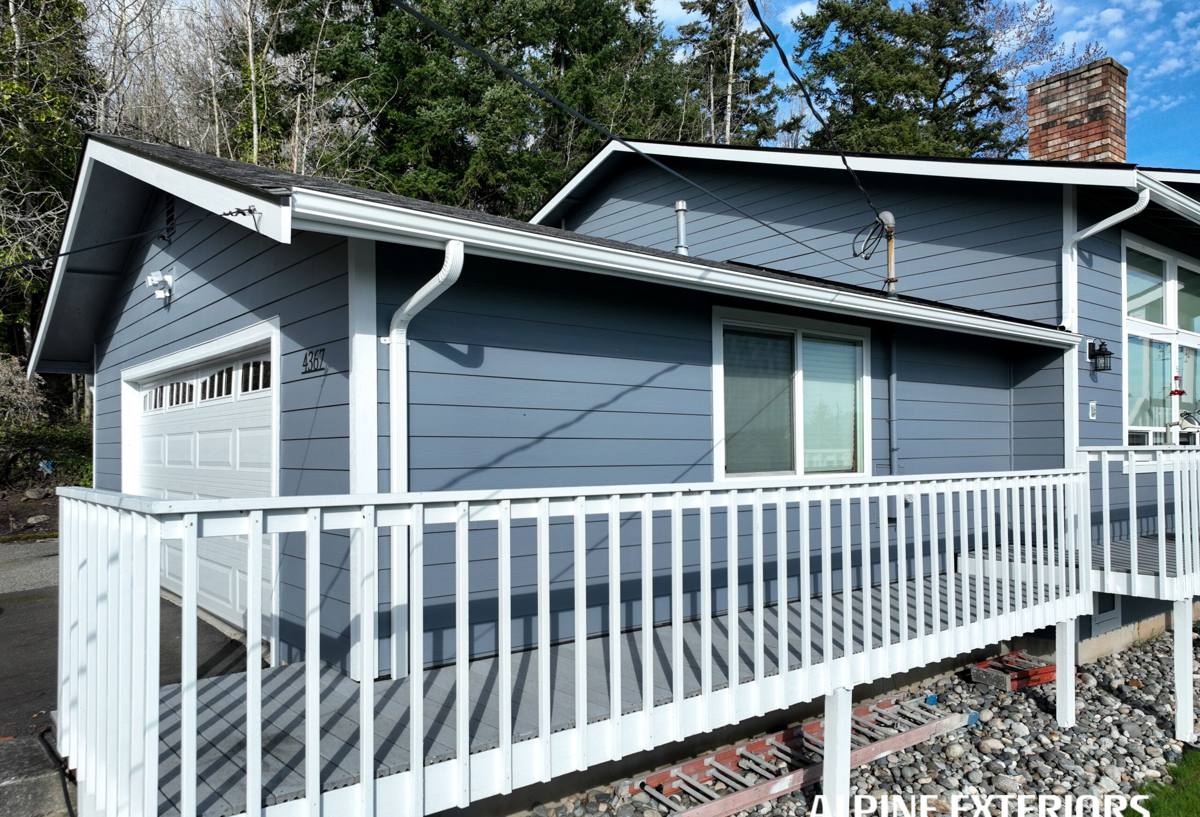
What Coastal Manatee County Weather Actually Does to a Roof
It helps to be specific about what a roof in this area is up against, because the failure points aren't the same everywhere in Florida.
Wind
Manatee County sits in a wind-borne debris region, and homes near open water can see stronger gusts than the county average during tropical systems. A roof covering is only as good as its fastening pattern and edge detailing — most metal roof failures in high wind start at the ridge, eaves, and rake edges where uplift pressure concentrates, not in the middle of the field.
UV Exposure
Florida's sun is intense and constant, year-round, not seasonal. UV breaks down sealants, gaskets, and paint finishes over time. A metal panel itself won't degrade from sun exposure the way asphalt shingles do, but every accessory attached to it — screws, boots, closures, sealant beads — will, if lower-grade components were used to save money.
Wind-Driven Rain
Wind and rain rarely arrive separately here. Wind-driven rain gets pushed sideways and upward under laps, around fasteners, and through any gap that a calm-weather rain would never find. This is why underlayment choice and lap details matter as much as the visible panel.
Salt Air
Proximity to Sarasota Bay means airborne salt is a real factor for homes in this area, more so than for roofs well inland. Salt accelerates corrosion at cut edges, exposed fasteners, and dissimilar-metal contact points. This is one of the biggest reasons material choice and fastener selection matter more here than in a landlocked neighborhood.
Choosing the Right Metal Roofing System for This Neighborhood
Not all metal roofing is the same product wearing different colors. The two broad categories homeowners in Bayshore Gardens usually compare are exposed-fastener panels and standing seam systems.
| Factor | Exposed-Fastener Panel | Standing Seam |
|---|---|---|
| Fasteners | Visible screws through the panel face | Concealed clips, no face penetrations |
| Upfront cost | Lower | Higher |
| Long-term maintenance | Fastener seals need periodic inspection and replacement | No exposed seals to fail over time |
| Coastal salt resistance | More vulnerable at each fastener point | Better, fewer penetration points |
| Wind performance | Good when properly installed | Generally stronger uplift resistance |
| Typical lifespan | Solid mid-range option | Longer service life when maintained |
We install both, because not every home or budget calls for the top-tier system. What we won't do is put an exposed-fastener panel on a home with a low-slope roof or heavy salt exposure and call it a like-for-like substitute for standing seam — the trade-offs are real, and we'd rather tell a homeowner that upfront than let them find out during the next named storm.
What a Correct Metal Roof Installation Actually Involves
The panel gets most of the attention, but the parts underneath and around it are what actually determine whether the roof performs in this climate.
Deck Inspection First
Metal goes over a solid, dry, sound deck. If there's rot, delamination, or old fastener damage under the existing roof covering, that gets addressed before a single panel goes down. Installing new metal over a compromised deck just hides the problem until it's more expensive to fix.
Underlayment and Moisture Barrier
A synthetic or self-adhered underlayment rated for high heat and wind-driven rain goes down before the panels. This layer is your backup if wind ever forces water past a lap or fastener — it's not optional in this climate, it's the difference between a nuisance leak and none at all.
Fastening and Wind Rating
Fastener spacing, type, and pattern need to match the wind uplift rating required for the home's location and roof geometry. Manatee County permitting ties directly to Florida Building Code wind requirements, and this isn't a place to eyeball it — the fastening schedule is engineered, not guessed at.
Flashing and Penetrations
Every pipe boot, vent, valley, and wall transition is a potential entry point for wind-driven rain. Correct flashing detail at these points — not just caulk over a gap — is where a lot of roofs quietly fail years down the road, long after the installer is gone.
Fastener and Hardware Material
Given the salt air near the bay, fastener and flashing material matters. We match hardware to the panel material to avoid galvanic corrosion between dissimilar metals, which is a slow but real problem for homes this close to the water.
Our Process, Start to Finish
Homeowners in Bayshore Gardens generally want to know what to expect before committing to a roof project, so here's the straightforward version.
- On-site inspection of the existing roof, deck condition, and any problem areas (valleys, penetrations, past leak history)
- A written estimate that spells out panel type, underlayment, fastening approach, and flashing details — not just a lump-sum number
- Permit pulled through Manatee County before work begins, matched to current wind-load requirements
- Deck repairs, if needed, done and documented before underlayment goes down
- Underlayment, flashing, and panel installation following the specified fastening schedule
- Final walkthrough where we go over the completed work and answer questions before we consider the job done
Cost Factors Homeowners Should Understand
Metal roofing typically costs more upfront than asphalt shingles — often somewhere in the range of two to three times the material and labor cost, depending on panel type and roof complexity. The trade-off is a longer service life and less frequent full replacement. Here's what actually moves the number for a given home:
| Factor | Why It Matters |
|---|---|
| Panel type | Exposed-fastener vs. standing seam is the single biggest cost driver |
| Roof pitch and complexity | More valleys, hips, and penetrations mean more flashing labor |
| Deck condition | Rot or damage found during tear-off adds repair cost before install |
| Wind-rating requirements | Higher required uplift resistance can mean heavier fastening schedules |
| Access and site conditions | Tight lots, steep pitches, or limited staging area affect labor time |
Any contractor who gives you a firm number without walking the roof and checking the deck first is guessing. We don't quote sight-unseen for that reason.
Maintenance: What Actually Needs Doing
Metal roofing is genuinely low-maintenance compared to shingles, but "low-maintenance" doesn't mean "no maintenance," especially this close to the bay. A short annual routine catches most problems while they're still cheap to fix.
- Walk the roofline visually after major storms for lifted panels, dented flashing, or debris buildup in valleys
- Check exposed fasteners (if applicable) once a year for backed-out screws or worn washers
- Clear leaves and debris from valleys and gutters so water doesn't pool against panel edges
- Rinse off salt buildup periodically if the home is close enough to the water to see visible residue
- Have a professional inspect sealant and flashing points every few years rather than waiting for a leak to show up inside
Why a Crew That Already Works This Neighborhood Matters
Roofing code requirements, permitting, and wind-load expectations in Manatee County are specific, and they get enforced. A crew that regularly works in and around Bradenton knows the permitting process, knows what inspectors are checking for, and has already seen how roofs in this exact climate — bay-adjacent, high UV, salt air — actually age over time. That's different from a crew that installs metal roofing occasionally as one product among many, in a dozen different climates, with no particular focus on what coastal Southwest Florida does to a roof over the following ten years.
We're not going to tell you every other roofer is unqualified — that's not true and it's not our place to say. What we can tell you is that we build our process around what this specific area demands, and we stand behind the work because we're not leaving town after the last panel goes on.
If you're weighing a metal roof for a home in Bayshore Gardens, we're happy to take a look and walk you through what it would actually involve for your roof, with no pressure to sign anything. Use the form below to request a free estimate.