 Bradenton Siding
 Siding Installation Built for Bayshore Gardens, Not Just "Florida"
Bayshore Gardens sits close to the water in Manatee County, which means the siding on these homes works harder than siding a few miles inland. Between Gulf storm systems, near-constant sun, and salty air drifting off the bay, exterior cladding here takes a different kind of beating than siding in a landlocked subdivision. A siding installation that looks fine on day one but wasn't built for this specific exposure usually starts showing problems within a few years, not a few decades.
We install siding for homeowners across the Bradenton area, and Bayshore Gardens comes with its own installation checklist because of its location: wind exposure off open water, humidity that never really lets up, and a mix of older homes with additions, enclosed porches, and updated rooflines that all need to be tied into the new siding correctly. Getting a siding installation right here isn't about using a fancier product — it's about installing the right product the right way for this exact environment.
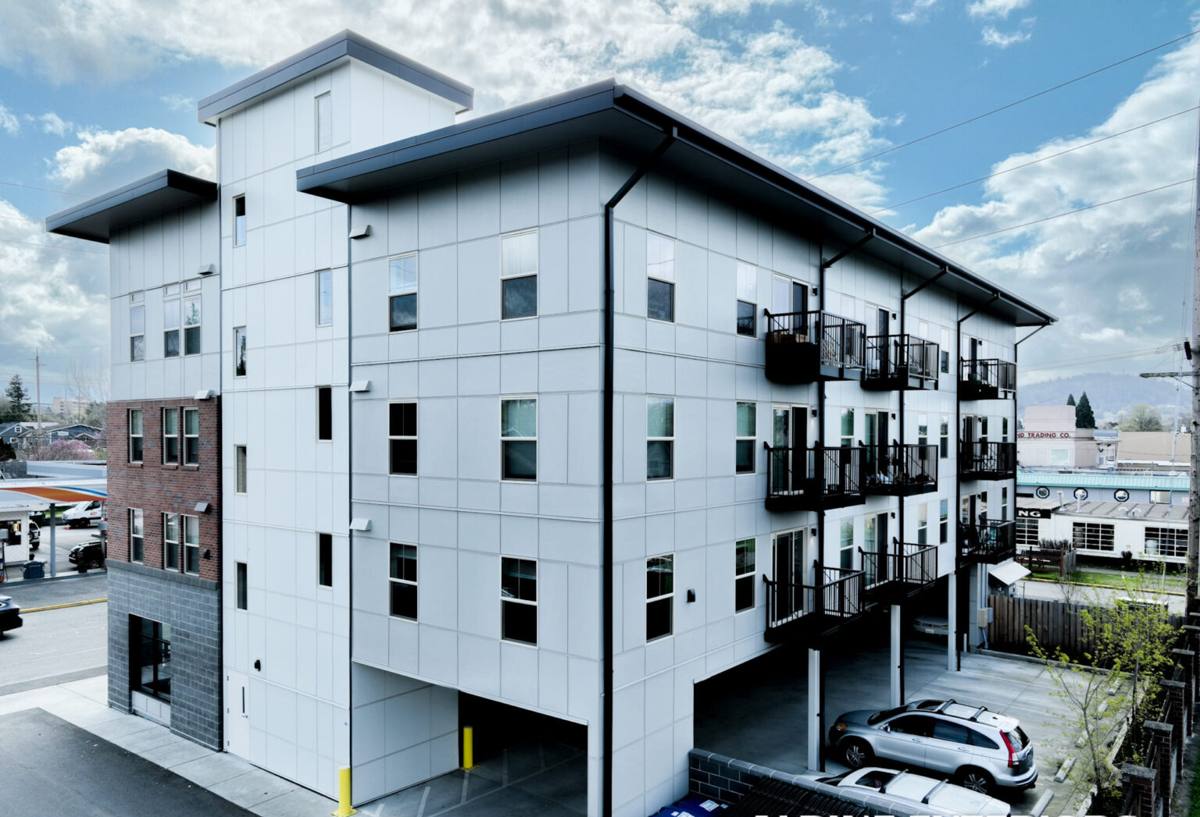
What Bayshore Gardens Homes Are Actually Up Against
Hurricane-Force Wind
Manatee County sits in a wind zone that requires siding to be rated and fastened for sustained high winds, not just gusts. Wind doesn't just push on a wall — it gets up under loose edges, corners, and butt joints and pries. A siding installation that skips proper fastening schedules or nailing patterns is the single most common reason siding fails in a storm, long before the wind ever reaches the speeds the product is rated for.
Intense, Year-Round UV
Bradenton doesn't get a real off-season for sun exposure. UV breaks down pigments and surface coatings steadily, all year, on every elevation of the house — not just the side that faces west. Siding finishes that aren't factory-baked for UV resistance tend to fade unevenly, which is often more noticeable than fading itself because it shows up as blotching rather than a uniform color shift.
Wind-Driven Rain
Rain that comes in sideways during a storm doesn't behave like rain falling straight down. It gets pushed up and under laps, into seams, and around window and door trim. Correct flashing and lap installation matter more here than in a climate where rain mostly falls straight.
Salt Air
Being near the bay means a steady, low-level exposure to salt in the air, even on days without a storm. Salt accelerates corrosion on fasteners and trim hardware and can degrade lower-quality coatings over time. It's a slow process, which is exactly why it gets overlooked during installation — the damage doesn't show up until years later, when it's expensive to fix.
What a Correct Siding Installation Actually Involves
"Correct" installation isn't a marketing word — it's a specific set of steps tied to the manufacturer's engineering and Florida's building code requirements. Skipping or shortcutting any of these is how a siding job that looked fine at completion ends up with problems in three to five years.
- Substrate inspection: checking the sheathing and any existing water barrier for rot or damage before anything new goes on — covering a problem doesn't fix it.
- Weather-resistive barrier: a continuous, properly lapped moisture barrier behind the siding, since wind-driven rain will find any gap.
- Correct fastener type, length, and spacing: matched to the wind zone and the specific product being installed, not a generic "close enough" pattern.
- Proper clearances: siding kept off the roofline, decks, and grade by the manufacturer's minimum gap, so water has somewhere to go instead of wicking into the bottom edge.
- Flashing at every penetration: windows, doors, hose bibs, light fixtures, and vents all need flashing detail, not just caulk.
- Factory-finished joints sealed correctly: using the manufacturer-approved sealant and joint treatment rather than whatever caulk is on the truck.
Why We Install Only James Hardie Fiber Cement Here
We made a decision a long time ago to install one siding system — James Hardie fiber cement — and nothing else. Not vinyl, not LP SmartSide, not Cemplank or Allura, not primed wood. That's not a brand loyalty thing. It's because fiber cement, installed correctly, holds up to exactly the four conditions Bayshore Gardens deals with: wind, UV, wind-driven rain, and salt air.
Non-Combustible Material
James Hardie siding is fiber cement, which is non-combustible. That matters for insurance conversations and for peace of mind, and it's a meaningful difference from wood-based or engineered-wood products.
ColorPlus Factory Finish
Rather than a job-site paint job, James Hardie's ColorPlus finish is baked on in a controlled factory process, which gives it more consistent UV and fade resistance than field-applied paint — directly relevant given how much sun this area gets year-round.
Climate-Engineered HZ Product Lines
James Hardie makes region-specific formulations (its "HZ" product lines) engineered for different climate zones, including the moisture and humidity profile of the Gulf Coast. That's not something every fiber cement or composite product does.
A Warranty Backed by the Manufacturer
James Hardie's transferable limited warranty is tied to installation by a qualified contractor following their specifications — which is part of why correct installation isn't optional. A great product installed wrong doesn't get the great product's track record.
Our Installation Process
- On-site assessment: we walk the home, check the existing siding and substrate, and note wind exposure, water barrier condition, and any rot or moisture issues.
- Written estimate: a clear scope covering tear-off or overlay, trim work, flashing details, and product line and color.
- Substrate prep: repairing or replacing damaged sheathing before anything new is installed — never siding over a known problem.
- Weather barrier and flashing installation: the part that never shows once the job is done, but determines how the house handles the next storm.
- Siding installation to manufacturer spec: correct fastening, clearances, and joint treatment for the specific James Hardie product and this wind zone.
- Trim, caulking, and final detail work: the finish work that determines how clean the house looks and how well seams resist wind-driven rain.
- Final walkthrough: we go over the completed work with the homeowner before calling the job done.
Cost Factors for a Bayshore Gardens Siding Installation
Every home is different, so we don't quote broad numbers without seeing the house — but these are the factors that actually move the price up or down on a real estimate.
| Factor | Why It Matters |
|---|---|
| Tear-off vs. installation over existing substrate | Removing old siding and repairing sheathing adds labor but is often necessary if there's hidden moisture damage |
| Home size and wall complexity | Additions, dormers, and multiple rooflines increase cutting, flashing, and trim work |
| Product line and profile | Lap siding, shingle-style, and panel systems have different material and labor costs |
| Trim and accent work | Fascia, soffit, and window/door trim detail add labor time but affect how well water is managed at penetrations |
| Substrate condition | Rot or water damage found during tear-off needs repair before new siding goes on |
| Access and site conditions | Landscaping, fencing, and building height can affect scaffolding or lift needs |
Why It Matters That We Already Work in Bayshore Gardens
A crew that's worked this specific area repeatedly knows things a first-time-in-the-neighborhood contractor has to learn on the job: how Manatee County permitting and inspections typically run, what wind-zone fastening requirements apply to this part of the county, and what the common construction styles and ages of homes in this area tend to need in terms of substrate repair. That familiarity shows up in fewer surprises mid-project and a smoother permitting and inspection process.
It also means we're not guessing about how this area's climate exposure should shape the installation. We know this is a bay-adjacent community, so we treat salt air and wind-driven rain as standard planning factors, not afterthoughts — because for a Bayshore Gardens home, they aren't optional considerations, they're the baseline.
Common Problems We See With Improperly Installed Siding
- Fastener patterns that don't match the wind zone, leaving siding vulnerable to pull-away in high wind
- Missing or incomplete flashing around windows and doors, leading to hidden water intrusion
- Siding installed too close to grade, decks, or rooflines, wicking moisture into the bottom edge
- Caulk used in place of proper flashing details at penetrations
- Joints and seams sealed with the wrong sealant, leading to premature cracking or gaps
- Siding installed directly over damaged or wet sheathing instead of repairing it first
After Installation: What Upkeep Actually Looks Like
One advantage of a correctly installed James Hardie system is that upkeep is genuinely low — periodic rinsing to clear salt residue and dust, a visual check of caulked joints and trim after major storms, and prompt attention if a fastener ever backs out or a panel gets damaged by debris. It's not a maintenance-free product, but for Bayshore Gardens' exposure, it's about as close as fiber cement gets when installed to spec.
If you're weighing a siding installation or replacement for a Bayshore Gardens home, we're happy to walk the property, look at what you're currently working with, and put together a straightforward, no-pressure estimate — no obligation, just an honest look at what your home actually needs.