 Bradenton Siding
 Board & Batten Siding on Anna Maria Island
Holmes Beach sits on a narrow barrier island, which means every exterior surface on every home here is doing double duty: it has to look right for a beach community that leans heavily on cottage-style architecture, and it has to survive conditions that are noticeably harsher than what you'd find a few miles inland in Bradenton or across the bay in Manatee County proper. Board and batten siding is a strong fit for that look, but only when it's built from a material that can actually take the exposure.
We install board and batten in Holmes Beach regularly, and we've built our process around what this specific stretch of coastline does to a home's exterior over time. That's a different set of priorities than a generic siding job inland.
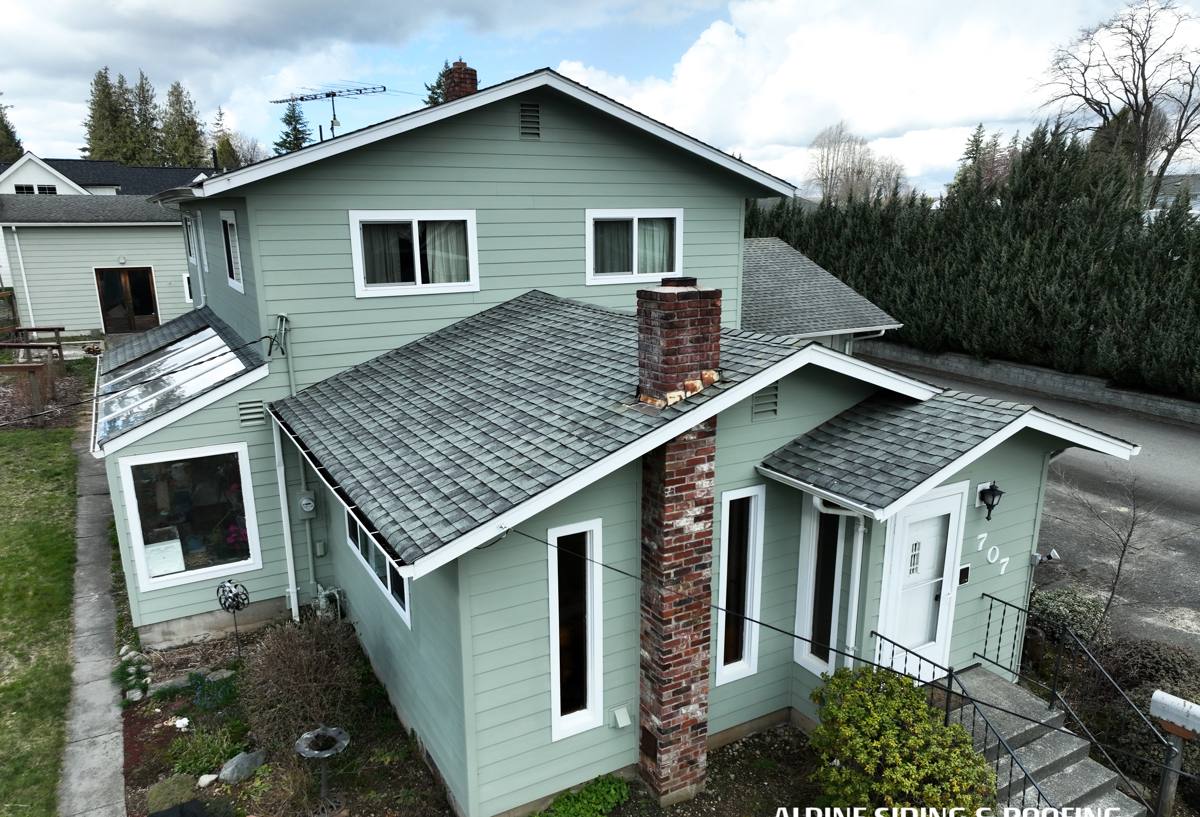
What Holmes Beach Homes Actually Deal With
A few miles of open water changes everything about how siding ages. Homes on Anna Maria Island face a combination of stresses that don't all show up at once — they compound over years.
Salt Air and Corrosion
Airborne salt settles on every exterior surface near the Gulf, and it doesn't just sit there — it actively accelerates corrosion of fasteners, trim edges, and any material that isn't built to resist it. Siding that looks fine for a season or two can start failing at the fastener level long before the panel itself gives out.
Wind-Driven Rain
Storms here rarely arrive as simple vertical rainfall. Wind pushes water sideways and upward into seams, laps, and joints that a standard installation never anticipated. Board and batten has more vertical seams than lap siding by design, which makes the water management detailing behind the battens more important, not less.
Year-Round UV
Florida sun is relentless on painted or coated surfaces. Factory-applied finishes hold color and resist fading far longer than anything topcoated on site, which matters a lot on a material that's going to sit in direct Gulf-side sun most of the year.
Hurricane-Force Wind Loads
Being on a barrier island means wind exposure categories here are typically more severe than mainland ratings a few miles east. Fastening schedules, panel engineering, and substrate condition all need to be matched to that reality — not to a generic spec sheet.
Why Board & Batten Fits This Neighborhood
Board and batten has deep roots in coastal and cottage architecture, and it reads naturally on the smaller-footprint, elevated homes common in Holmes Beach. The vertical lines break up a facade in a way that suits beach houses, and it pairs well with the mix of colors and trim details homeowners here tend to favor. It's also a practical choice for accent walls, gable ends, and mixing with lap siding on the same home — something we see requested often in this area.
That said, board and batten only holds its clean look if the batten spacing stays consistent and the boards stay straight over time. That's a material and installation issue as much as a design one — thin, unstable substrates cup, bow, and telegraph every imperfection, especially once summer humidity and salt exposure start working on them.
What a Correct Board & Batten Installation Involves
Board and batten is often installed poorly because it looks simple. It isn't. The vertical boards and battens create more seams and more fastening points than a lap siding job, and every one of those needs to be handled correctly for the assembly to shed water instead of trapping it.
- A weather-resistive barrier installed continuously behind the siding, lapped correctly at every seam
- Proper flashing at windows, doors, and any penetration before a single board goes up
- Correct fastener type, length, and spacing for coastal wind exposure — not a generic inland schedule
- Battens fastened into structural framing or furring, not just through the vertical boards
- Consistent reveal and batten spacing maintained across the full elevation
- Rainscreen or drainage gap detailing where the assembly calls for it, so incidental moisture can escape
- Sealed, factory-finished cut edges wherever boards are trimmed on site
Skip any one of these steps and the failure usually doesn't show up right away. It shows up two or three years later, after a few storm seasons, as staining, soft spots, or boards that no longer sit flat.
Why We Only Install James Hardie for This
We don't offer board and batten in vinyl, LP SmartSide, primed wood, or cedar. That's a deliberate standard, not a limitation of what we're capable of installing. On a barrier island exposed to salt air, wind-driven rain, and hurricane-force gusts, the material behind the look matters as much as the look itself.
James Hardie fiber cement is non-combustible, dimensionally stable in humidity, and doesn't feed the moisture problems that soften or delaminate wood-based or foam-backed products over time. Hardie's ColorPlus factory finish is baked on under controlled conditions, which holds up to constant Gulf-side UV far better than a field-applied coat. Hardie also engineers HZ product lines specifically for high-humidity, high-exposure climates like ours, which is exactly the environment Holmes Beach sits in every day of the year.
For board and batten specifically, we use Hardie panel and trim products designed to work together as a system — matched reveals, matched fastening requirements, and a finish warranty that only applies when the assembly is installed to Hardie's spec. That's the version of this siding style we're willing to put our name on.
Comparing Common Siding Approaches for Board & Batten
| Factor | James Hardie Fiber Cement | Wood / Engineered Wood | Vinyl |
|---|---|---|---|
| Salt air resistance | Strong — non-combustible, stable material | Vulnerable to moisture and rot over time | Resists rust but can become brittle |
| UV / color hold | Factory ColorPlus finish, long fade resistance | Field-applied finishes fade and need recoating | Color molded in but can chalk and fade |
| Wind performance | Engineered and rated for high-wind installation | Performance depends heavily on fastening quality | Can flex, crack, or blow off in high gusts |
| Moisture behavior | Does not absorb water or swell | Can swell, cup, or rot if moisture gets behind it | Doesn't absorb, but traps moisture behind it |
| Long-term maintenance | Low — no repainting cycle required | Higher — recoating and repair over time | Low, but repairs are visually mismatched |
What Drives the Cost of a Board & Batten Job
Every home is different, so we don't quote sight unseen, but these are the factors that typically move the price on a Holmes Beach board and batten project:
| Cost Factor | Why It Matters |
|---|---|
| Amount of tear-off required | Removing existing siding down to sheathing adds labor and disposal time |
| Substrate condition | Rotted or damaged sheathing found underneath needs repair before new siding goes on |
| Home height and access | Elevated coastal homes often need more scaffolding or lift equipment |
| Trim and detail complexity | Corners, gables, and window/door surrounds add cutting and fitting time |
| Full elevation vs. accent use | Board and batten as a full-home application costs more than an accent gable or wall |
Our Process for Holmes Beach Projects
Because we work regularly on Anna Maria Island, we've already accounted for the logistics that catch outside crews off guard — narrow lot access, elevated foundations, and the extra care needed working close to the water. Our process on every board and batten job runs the same way:
- On-site inspection of the existing exterior and substrate condition
- A written estimate that spells out material, labor, and any repair work needed underneath
- Substrate repair and correct weather barrier installation before any siding goes up
- Installation to James Hardie's fastening and spacing specifications for our wind exposure
- Final walkthrough so you can see the completed work and ask questions before we consider the job done
Why Hiring a Local, Experienced Crew Matters Here
Board and batten installed to a mainland-generic spec doesn't hold up the same way on a barrier island. A crew that already works Holmes Beach understands the wind exposure category, the salt load, and the storm patterns that hit this stretch of Manatee County — and builds the fastening schedule and moisture detailing around that reality instead of a one-size-fits-all approach. That familiarity is the difference between siding that still looks straight and tight after several hurricane seasons and siding that needs attention within a few years.
If you're weighing board and batten for a home in Holmes Beach, we're glad to walk the property, look at what's there now, and talk through what a correct installation looks like for your specific house. There's no pressure and no cost to get an estimate — just an honest look at what your home needs.