 Bradenton Siding
 Holmes Beach Sits Right in the Weather's Path
Homes in Holmes Beach take on a combination of stresses that inland Manatee County properties simply don't face to the same degree. Sitting on a barrier island puts these homes closer to salt-laden air moving in off the Gulf, which accelerates corrosion of fasteners, trim, and any siding product with a weak moisture defense. Add in Florida's punishing year-round UV exposure, wind-driven rain that gets forced sideways into seams and joints during storms, and the periodic threat of hurricane-force gusts, and you have a climate that finds every weakness in a siding system within a few years, not a few decades.
This is why siding repair on Holmes Beach isn't just a cosmetic fix. A section of damaged or failing siding is often a sign that water has already found a path behind the cladding, and in this climate, that problem doesn't stay small. Our crew is based in Bradenton and works this barrier island regularly, so we see the same failure patterns repeat: cracked or buckled panels near corners exposed to prevailing wind, staining and soft spots low on walls where wind-driven rain collects, and fastener corrosion around trim and window returns.
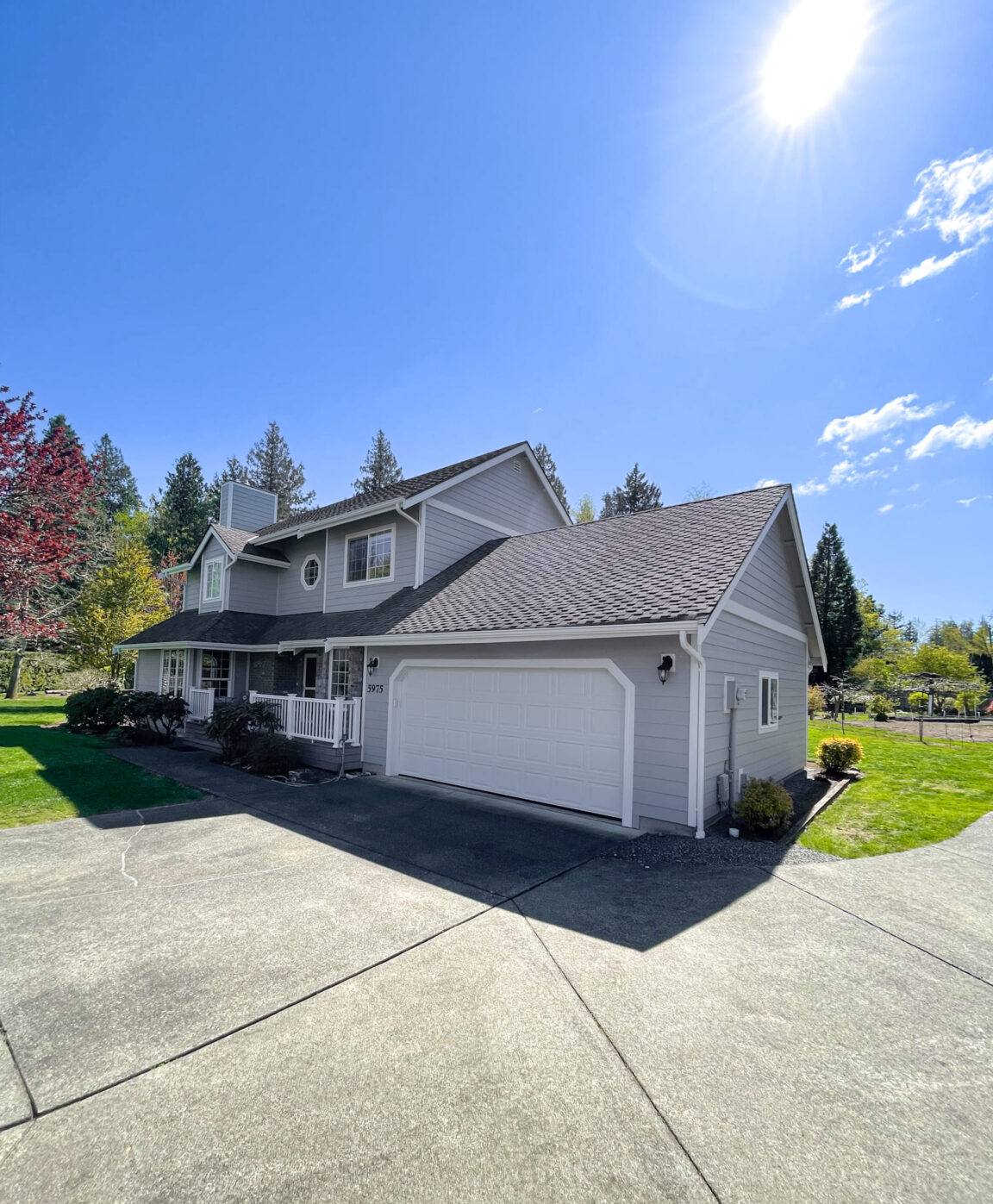
Signs Your Holmes Beach Home Needs Siding Repair
Salt air and sun exposure don't always announce themselves with an obvious crack. Some of the most damaging problems start subtle and get expensive fast if ignored. Walk your exterior periodically and look for the following:
- Panels that look warped, bowed, or no longer sit flat against the wall
- Soft or spongy spots when you press on siding near the bottom of walls or below windows
- Visible cracking, especially near corners, seams, or fastener points
- Peeling, bubbling, or chalky paint that keeps returning even after repainting
- Rust streaks bleeding from nail or screw heads
- Gaps opening up at butt joints or around trim where caulking has failed
- Interior signs — musty smells, discoloration on interior walls, or peeling interior paint on an exterior-facing wall
Any one of these can be an isolated, easy repair. Several at once, especially on the side of the house that takes the worst of the Gulf wind, usually means water has been working behind the siding for a while and the repair needs to include what's underneath, not just what's visible.
Why "Just Caulk It" Rarely Solves the Real Problem
A lot of siding damage in this area gets temporarily masked with caulk or paint by well-meaning homeowners or handymen. That can buy a little time, but it doesn't address the underlying moisture path, and it can actually trap water against the wall assembly instead of letting it drain and dry the way the system was designed to. A proper repair diagnoses where the water is actually getting in before deciding how to close it up.
What Correct Siding Repair Actually Requires
A repair that's done right on a Holmes Beach home involves more than swapping a damaged board for a new one. It requires:
Diagnosing the Water Path, Not Just the Symptom
Before any panel comes off, we trace where moisture is actually entering — a failed joint, a compromised flashing detail, a fastener hole that's wallowed out, or wind-driven rain finding a gap that wouldn't exist on a calmer inland site.
Checking What's Behind the Siding
Housewrap, sheathing, and framing near the damaged area need to be inspected. If moisture has reached the wood sheathing or framing, that has to be dried out and, if compromised, replaced before new siding goes back on. Covering up hidden rot is the single most common shortcut that leads to a repeat call two years later.
Matching Product, Profile, and Finish
Mismatched replacement panels stand out visually and can also create performance mismatches — different expansion behavior, different moisture resistance, different fastening requirements. We match the existing profile and, wherever possible, source factory-finished material so the color holds up rather than fading unevenly against the surrounding wall.
Fastening and Flashing to Spec
Corrosion-resistant fasteners, correct nailing patterns, and proper flashing and clearances at joints and penetrations matter far more here than in a drier, calmer climate. A repair that ignores manufacturer fastening specs is a repair that fails again in a Gulf-front environment.
Repair or Replace? A Practical Comparison
Not every siding problem on a Holmes Beach home calls for a full re-side. But there's a point where patch repairs stop making financial sense. This comparison reflects the general factors we walk homeowners through on-site — every home is different, so treat it as a starting framework, not a quote.
| Situation | Repair Usually Makes Sense | Replacement Should Be Considered |
|---|---|---|
| Extent of damage | Isolated to one or two wall sections | Recurring across multiple elevations |
| Underlying sheathing | Sound, dry, undamaged | Soft, rotted, or repeatedly wet |
| Age of existing siding | Well within expected service life | Near or past manufacturer-rated lifespan |
| Product currently installed | Same product still available and performing | Product prone to repeated moisture or UV failure in coastal exposure |
| Visual matching | Replacement panels will blend acceptably | Fading or discontinued profile makes matching impossible |
Where we're candid with homeowners: if a home is on its second or third round of repairs to the same wall within a few years, that's usually the material telling you it isn't suited to this exposure, not bad luck.
Why We Only Repair and Install James Hardie Fiber Cement
Our crew made a deliberate decision to work exclusively with James Hardie fiber cement siding rather than vinyl, LP SmartSide, or other fiber cement brands. That decision matters most in exactly the kind of environment Holmes Beach sits in.
Fiber cement is non-combustible, which is relevant in a state where wildfire and lightning-driven brush fires do happen, and it doesn't soften, sag, or melt in the sustained high-heat, high-UV exposure common on the Gulf coast the way some vinyl products can. James Hardie's HZ5 product line is specifically engineered for high-humidity, hot climates like Florida, with moisture and impact performance built in rather than added on. Its ColorPlus factory finish is baked on under controlled conditions, which holds color and resists the fading, chalking, and peeling that field-applied paint struggles with under year-round Florida sun.
That doesn't mean Hardie siding is maintenance-free or immune to damage — no exterior material is, especially on a barrier island. But when a repair is needed, we're working with a material system engineered for this exact climate, with a manufacturer warranty structure that's transferable and well documented, rather than patching a product that may have been undersized for the exposure it's facing.
Our Repair Process, Start to Finish
- On-site inspection: We assess visible damage and check for signs of hidden moisture intrusion behind the affected areas.
- Diagnosis: We identify the actual water path or failure cause, not just the surface symptom.
- Scope and estimate: We explain what needs to happen, why, and give you a clear, honest estimate before any work starts.
- Removal: Damaged panels and any compromised underlying material are carefully removed.
- Repair the substrate: Housewrap, flashing, and sheathing issues are corrected before new siding goes on.
- Reinstallation: Matching James Hardie panels are installed to manufacturer fastening and clearance specifications suited for coastal wind exposure.
- Final check: We walk the repair with you and confirm the finished work blends with the rest of the home.
Why Hiring a Crew That Already Works Holmes Beach Matters
Holmes Beach has its own practical realities that a crew unfamiliar with the barrier island can trip over: limited bridge access from the mainland, tighter lot conditions common to island communities, and, in some cases, homeowner association or local permitting expectations that differ from a typical mainland Bradenton neighborhood. A crew that already works this area on a regular basis isn't learning these logistics on your job.
Just as important is familiarity with how this specific exposure ages a home. A contractor who mostly works inland jobs may not immediately recognize how far salt air and wind-driven rain travel behind trim and corner boards on a Gulf-front property, or how much more aggressive the fastener corrosion is here compared to a few miles inland. Working Holmes Beach regularly means we've already seen how these homes fail and what a lasting repair actually requires here.
What to Expect When You Call a Local Crew
A contractor who knows the area should be able to speak specifically to your street's general exposure — waterfront-facing versus more sheltered — and explain their repair approach in plain terms, not vague reassurances. If a contractor can't explain why they're proposing a fix, that's worth asking about before work begins.
Cost Factors to Understand Before You Get a Quote
Siding repair pricing varies by scope, so we won't quote invented numbers here. What we can tell you is which factors most often move the price on a Holmes Beach repair:
| Factor | Why It Affects Cost |
|---|---|
| Hidden sheathing damage | Wet or rotted sheathing must be replaced before new siding can go back on |
| Extent of area affected | Repairs to a single section cost far less than multi-wall damage |
| Access and elevation | Second-story or hard-to-reach sections require additional equipment and time |
| Color and profile matching | Discontinued or heavily faded siding may require broader replacement to blend properly |
| Trim, flashing, and fastener condition | Corroded fasteners or failed flashing add scope beyond the siding panels themselves |
A written estimate should walk through each of these before you're asked to commit to a scope of work.
If you're seeing warning signs on your Holmes Beach home — cracking, soft spots, staining, or repairs that haven't held up — we're happy to come take a look. We offer a free, no-pressure estimate so you know exactly what's going on and what it will take to fix it right.