 Bradenton Siding
 Ellenton's Climate Puts Real Demands on a Roof
Ellenton sits in north Manatee County, close enough to the Manatee River and the Gulf that homes here take on weather most inland towns never see. In a normal year that means months of intense, direct sun that bakes shingles from above while attic heat works on them from below. It means afternoon thunderstorms that drive rain sideways under loose flashing, and it means a real chance of a hurricane or tropical system pushing sustained wind loads against every square foot of roof deck. Add in the salt-laden air that drifts inland from the coast and you have a combination that ages roofing materials faster than in most inland parts of the country.
None of that means a roof in Ellenton has to fail early. It means the roof has to be built and installed correctly for this climate, with materials, fasteners, and details chosen for wind and moisture, not just for looks. That's the standard we hold every new roof installation to, whether the home is a single-story house near the river or a two-story home further off US-301. A roof that's right for a dry, mild climate is often the wrong roof here, even if it carries the same shingle name on the wrapper.
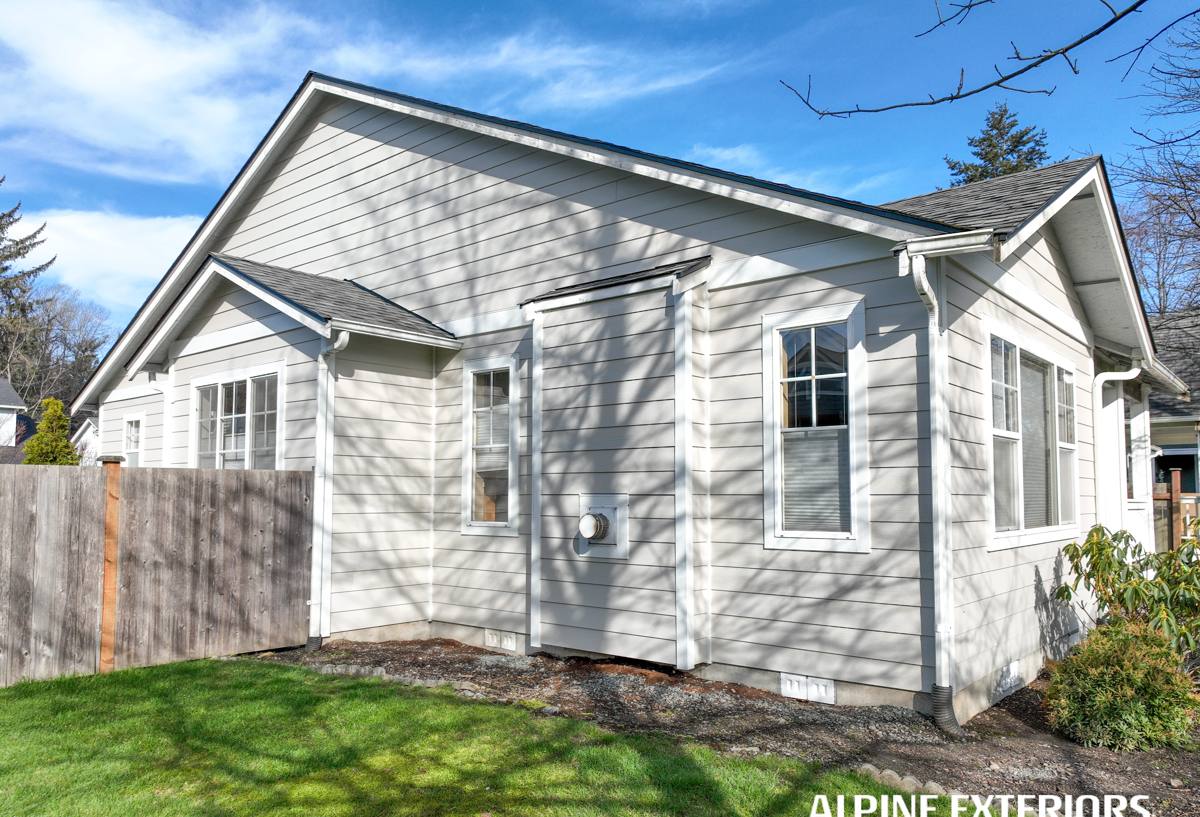
Signs an Ellenton Home Needs a New Roof, Not Another Repair
Roof repairs make sense for isolated damage, such as a few blown-off shingles after a storm, a cracked pipe boot, or a small area of flashing that's worked loose. A full new roof installation makes sense when the damage is spread out or the roof is simply at the end of its service life. Common signs we see on Ellenton homes include:
- Granule loss heavy enough that shingles look patchy or bald in sun-exposed areas
- Shingles that are curling, cupping, or losing their seal across multiple sections of the roof
- Soft spots, sagging, or visible deck movement when walked
- Repeated leaks in different spots after every heavy rain, rather than one recurring leak
- A roof that's 18-20+ years old (for asphalt shingle) with no major work done since installation
- Visible rust, exposed fasteners, or failing sealant on a metal roof's seams and penetrations
If you're only seeing one or two of these, a repair may still be the right call. We'll tell you that honestly during an inspection rather than pushing a full replacement a roof doesn't need yet.
Roofing Material Options for Manatee County Homes
There's no single right roofing material for Ellenton. The right choice depends on your home's structure, your budget, and how long you want to go before the next roof. Here's how the main options compare for this climate:
| Material | Typical Lifespan Here | Wind Performance | Key Trade-Offs |
|---|---|---|---|
| Architectural asphalt shingle | 18-25 years | Good, when rated and installed for high-wind zones | Lowest upfront cost; needs correct nailing and sealed edges to hit its rated wind performance |
| Standing seam metal | 40-50+ years | Excellent when properly fastened | Higher upfront cost; reflects heat well, but panel and clip quality matters as much as the metal itself |
| Concrete or clay tile | 30-50 years for the tile itself | Very good, but only as good as the underlayment beneath it | Heavy, requires the structure to support it; the underlayment, not the tile, is usually what fails first |
| 3-tab asphalt shingle | 12-18 years | Lower wind rating than architectural shingles | Least expensive option; we generally don't recommend it for this climate given how much shorter its service life runs |
We install shingle and metal roofing systems and will walk you through the honest pros and cons for your specific house, including where a cheaper option now could cost more over the life of the roof.
Underlayment: The Layer That Actually Determines Water Performance
Homeowners tend to focus on the visible surface material, but in Ellenton's climate the underlayment underneath it often decides how well a roof actually holds up. A synthetic or self-adhering underlayment rated for this region resists wind-driven rain that works its way under shingles or tiles during a tropical system, long before the surface material itself would ever fail. On tile roofs especially, the underlayment is doing most of the waterproofing work; the tile is mainly protecting the underlayment from sun and impact. We don't treat underlayment as a place to save money.
What a Correct New Roof Installation Actually Involves
The materials matter, but in a wind-and-rain climate like this one, the details underneath the materials matter just as much, arguably more. A roof that looks right from the driveway can still be installed wrong in ways that only show up during the next big storm. A correct installation should include:
- Full tear-off to the deck, not a layover, with the deck inspected board by board for rot or delamination
- Any damaged or soft decking replaced before new material goes down
- A full underlayment system rated for this climate, not just the minimum required to pass inspection
- Correct fastening pattern and fastener type for the wind zone, which is where a rushed crew cuts the most corners
- New flashing at every valley, wall intersection, and penetration, rather than reusing old flashing
- Proper attic ventilation, so heat and moisture aren't trapped against the new roof from underneath
- Sealed and reinforced roof-to-wall connections where accessible, since this is a major factor in wind performance
- A final walk-through and cleanup, including a magnetic sweep for stray nails in the yard and driveway
Skipping any one of these doesn't necessarily show up on day one. It can show up two years later as a slow leak, or during the next tropical storm as missing shingles or worse. That's the difference between a roof that looks new and a roof that's actually built for Ellenton's weather.
Permits, Codes, and Wind Mitigation in Manatee County
New roof installations in Manatee County require a building permit and inspection. This isn't optional paperwork; it's what confirms the finished work meets the Florida Building Code's wind and moisture requirements for our area. We handle the permit application, schedule the required inspections, and make sure the roof passes before we consider the job done.
What Wind Mitigation Credits Actually Cover
We complete a wind mitigation inspection form as part of the process wherever it applies. This form documents features like roof shape, the type of roof-deck attachment, the type of roof covering, and the presence of a secondary water barrier, details that can qualify a home for meaningful homeowners insurance discounts in a county where wind premiums are a real cost of ownership. A hip roof, for example, generally performs better in wind than a gable roof, and stronger roof-deck attachment methods can also improve the score. It costs nothing extra to have this documented correctly at the time of installation; it can cost you money every year afterward if it isn't.
Our New Roof Installation Process
We keep the process straightforward and communicate at each stage, because a roofing project on your house shouldn't feel like a mystery:
- Inspection and estimate: we get on the roof, not just a look from the ground, check the deck, flashing, and ventilation, and give you a written estimate with material options.
- Material selection: we go over the comparison that fits your budget, your home's structure, and how long you plan to stay in the house.
- Permitting: we pull the required Manatee County permit before work begins.
- Tear-off and deck inspection: the old roof comes off down to the deck, and any damaged sheathing is identified and replaced.
- Underlayment, flashing, and material installation: installed to the wind-rated specifications for this area, not the bare minimum.
- Final inspection and cleanup: the county inspection is scheduled, the site is cleaned and swept, and we walk the finished roof with you.
Timelines vary with roof size, material, and weather, but most single-family roof installations in this area are completed in one to a few days once the permit is in hand and material is on site.
Why Local Experience in Ellenton Matters
A roofing crew that already works this part of Manatee County knows things an out-of-area company has to learn on your job. That includes the local permitting office's specific requirements, the wind zone this area falls under for fastening and material ratings, and the practical reality of scheduling around Florida's rainy season so a tear-off doesn't leave a home exposed overnight. It also means we're not disappearing after the job. If a question comes up during the next storm season, we're still local and still reachable, and we already know which details in this area tend to cause problems down the road.
We treat every Ellenton roof the same way: correctly, with materials and details matched to what this climate actually does to a roof over time, not just what's fastest to install.
Maintaining Your New Roof After Installation
A correctly installed roof still benefits from basic upkeep in this climate:
- Have gutters cleaned regularly so water doesn't back up under the roof edge during heavy rain
- Trim back overhanging branches that drop debris or scrape shingles in wind
- Schedule a visual inspection after any major storm, even if you don't see obvious damage from the ground
- Address small issues, like a lifted shingle or a cracked pipe boot, quickly before they turn into a leak
- Keep an eye on attic ventilation and insulation, since trapped heat and humidity shorten a roof's life from underneath
If you're weighing a repair against a full new roof installation for your Ellenton home, we're glad to take a look and give you a straight answer, including telling you if a repair is genuinely the better move right now. Reach out for a free, no-pressure estimate using the form below.