 Bradenton Siding
 Windows Built for Where Palmetto Actually Sits
Palmetto homes take a beating that inland houses never see. The combination of hurricane-force wind events, relentless year-round UV, wind-driven rain during summer storms, and salt air drifting off the Manatee River and nearby Gulf coastline puts real, cumulative stress on window frames, seals, and glass. A window that would last decades in a drier, calmer climate can start failing here in a fraction of that time if it wasn't built or installed with these conditions in mind.
That's the difference between a generic window swap and a custom job done for this specific area. Custom windows for a Palmetto home aren't just about matching an opening size — they're about choosing frame materials, glass packages, and installation methods that hold up to what Manatee County weather actually throws at a house.
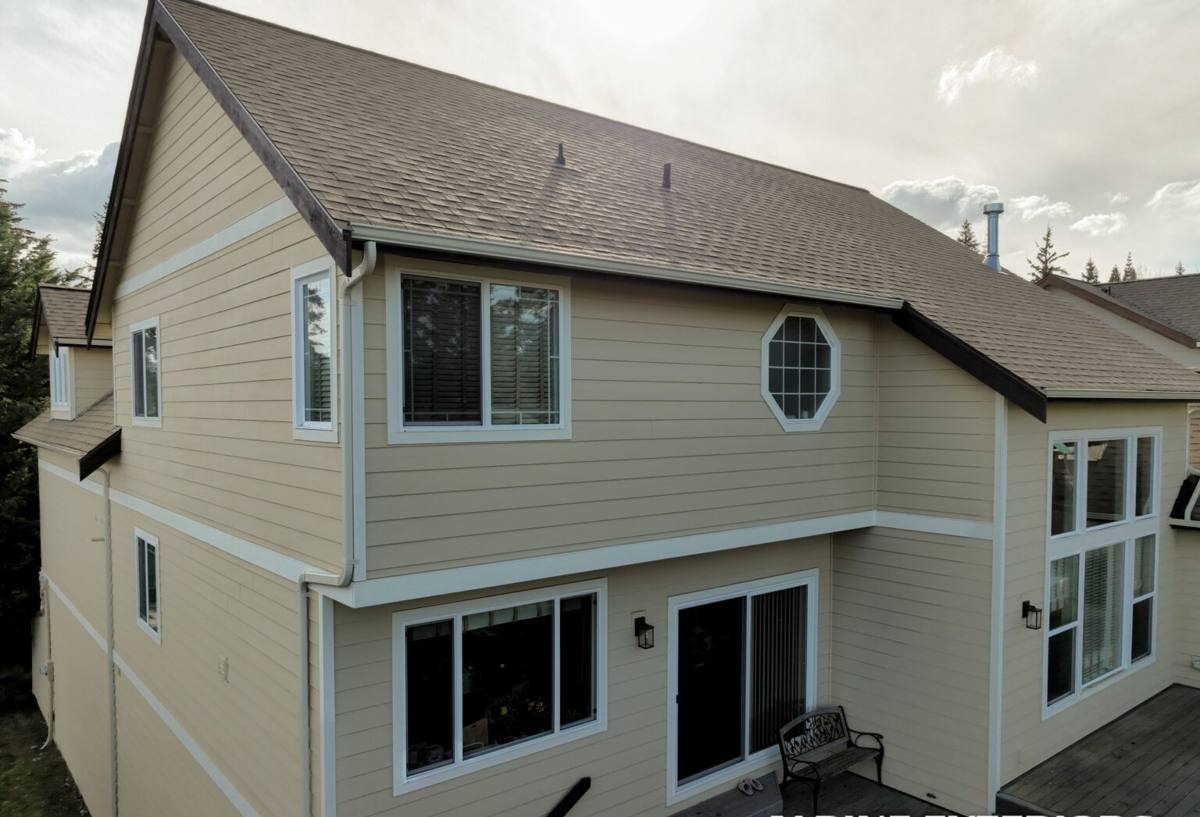
What "Custom" Really Means for Window Replacement
"Custom" gets used loosely in this industry, so it's worth being precise. For us, it means the window is specified and built to fit your home's actual openings, structure, and architectural style — not squeezed into a standard size with shims and extra caulk. That matters more in older Palmetto neighborhoods where original construction openings are often slightly out of square, or in additions where framing doesn't match the original house.
Custom covers things like:
- Exact opening dimensions, measured on-site rather than estimated from a floor plan
- Matching sightlines and grid patterns across a whole elevation, so a mix of old and new windows doesn't look patched together
- Frame color and finish that holds up to intense Florida UV without chalking or fading early
- Glass packages selected for solar heat gain and impact performance, not just clarity
- Special shapes — arched, angled, or oversized openings common in Florida coastal-style homes
Skipping this step and forcing an off-the-shelf window into a slightly irregular opening is one of the most common causes of the leaks and failures we get called out to fix.
Impact-Rated Windows and What Manatee County Requires
Manatee County is not part of Florida's official High-Velocity Hurricane Zone — that designation applies to Miami-Dade and Broward counties. But that doesn't mean the rules here are loose. The Florida Building Code still classifies this area within the wind-borne debris region, which means replacement windows generally need to meet specific wind-load and impact standards, or be paired with code-compliant shutters, depending on the home's exposure and the local wind-speed design requirements in effect.
In practice, most Palmetto homeowners choose impact-rated windows outright rather than relying on separate shutters. It's one less thing to deploy before a storm, and it provides day-to-day protection against debris, break-ins, and noise — not just hurricane events.
What makes a window "impact-rated":
It's not the frame — it's the glass and how it's built. Impact windows use laminated glass, typically two panes bonded to an interlayer, so the glass can crack under debris impact without separating from the frame or creating an opening. That's paired with reinforced framing and anchoring designed to keep the whole unit intact under wind pressure.
Frame Materials: What Holds Up Here and What Doesn't
Frame material choice matters as much as the glass in a coastal climate. Salt air and UV exposure age materials differently, and picking the wrong one means more maintenance and a shorter service life.
| Material | UV/Salt Air Performance | Maintenance | Typical Fit |
|---|---|---|---|
| Vinyl | Good; won't corrode, some color fade over many years | Low — no painting, occasional cleaning | Most Palmetto homes, budget-conscious replacements |
| Aluminum | Strong structurally, but prone to corrosion near salt air unless properly coated | Moderate — coating and hardware need periodic attention | Larger openings, impact-rated commercial-style frames |
| Fiberglass | Excellent; dimensionally stable, resists salt and UV degradation | Low | Higher-end custom jobs, homes wanting minimal upkeep long term |
| Wood-clad | Poor in direct salt exposure unless well-protected and maintained | High | Interior aesthetic priority, generally not recommended near the coast |
We'll walk through these trade-offs honestly based on your home's exposure — a house a few blocks off the water has different needs than one further inland, even within the same neighborhood.
Signs Your Current Windows Are Already Failing
Coastal wear on windows is often gradual, so homeowners get used to small problems before realizing they've become bigger ones. Worth checking for:
- Fogging or moisture between panes (a sign the seal has failed)
- Frames that feel soft, chalky, or discolored, especially on the sun-facing side
- Difficulty opening, closing, or locking — often from frame warping or swelling
- Visible corrosion or pitting on aluminum hardware and tracks
- Drafts or water intrusion during wind-driven rain, even without a direct storm
- Rising energy bills without another clear explanation
- Visible gaps between the frame and the wall, or cracked exterior caulking
Any one of these on its own might just need attention. Several together usually means the windows are nearing the end of their service life and full replacement is more cost-effective than continued patching.
How Our Process Works
1. On-Site Assessment and Measurement
We start at the house, not a catalog. Every opening gets measured individually, and we look at the surrounding wall condition, flashing, and structural framing — issues here get flagged before they become surprises mid-install.
2. Product Selection
We go over frame material, glass package, and impact rating options based on your home's exposure, budget, and how you actually use the space — ventilation needs, noise concerns, energy performance, and appearance all factor in.
3. Permitting
Window replacement in Manatee County typically requires a permit, particularly for impact-rated installations tied to wind-load compliance. We handle that process rather than leaving it to the homeowner.
4. Removal and Installation
Old windows come out carefully to avoid unnecessary damage to surrounding stucco, siding, or trim. New units go in plumb, level, and square, with attention to anchoring that meets the wind-load rating the window is designed for.
5. Flashing and Waterproofing
This step gets rushed more often than any other in this trade, and it's the number one reason replacement windows leak. Proper flashing integration with the wall's water-resistive barrier is what actually keeps wind-driven rain out — not just caulk around the frame.
6. Final Check and Cleanup
We test operation, check seals, and walk the job with you before we consider it done.
Where Window Installs Go Wrong on the Gulf Coast
Most window failures we see aren't caused by bad windows — they're caused by installation shortcuts that don't show up until the first serious storm. Common ones include:
- Caulk used as the primary water barrier instead of proper flashing
- Fasteners that don't meet the anchoring spec for the window's wind rating
- Skipping backer rod and sealant depth requirements around the frame
- Reusing old, degraded exterior trim instead of addressing rot or damage underneath
- Installing impact-rated glass in a frame that isn't rated to match it, which defeats the point
A window is only as good as the installation holding it in the wall. This is also why permit inspections matter — they're a second set of eyes checking that the work actually meets code, not just that a window is physically in the opening.
Why Local Experience in Palmetto and Bradenton Matters
A crew that regularly works Palmetto and the greater Bradenton area already knows the common construction styles and eras in this part of Manatee County, has a working relationship with the local permitting process, and understands which parts of the area sit closer to salt exposure versus further inland. That local knowledge shortens the assessment phase and avoids guesswork — we're not learning the region on your project.
It also means we're not disappearing after the install. If a seal needs attention or a warranty issue comes up years down the road, we're still working in the same neighborhoods.
What Affects the Cost
Every home is different, so we don't quote sight-unseen, but the main cost drivers for a custom window project are consistent:
| Factor | Why It Matters |
|---|---|
| Frame material | Vinyl is generally the most budget-friendly; fiberglass and specialty impact frames cost more upfront |
| Impact rating | Laminated impact glass and reinforced framing add cost but reduce or eliminate the need for separate shutters |
| Opening size and shape | Oversized, arched, or custom-shaped openings require more fabrication |
| Number of openings | Whole-home projects typically bring a better per-unit cost than one-off replacements |
| Condition of existing framing | Rot, water damage, or out-of-square openings found during removal add labor |
We'd rather give you a real number based on your actual house than a generic range that doesn't hold up once we're on-site.
Get a Straight Answer for Your Home
If your Palmetto home has windows that are drafty, foggy, hard to operate, or just old enough that you're wondering if it's time — we're glad to take a look and give you an honest read on what's going on and what your options are. Use the form below to request a free, no-pressure estimate.