 Bradenton Siding
 Why Samoset Roofs Take a Different Kind of Beating
A roof over a Samoset home earns its keep every year, not just during storm season. Manatee County sits in a part of Florida where hurricane-force wind is a real design condition rather than a rare event, where the sun is intense for most of the calendar, and where rain rarely just falls straight down and runs off — it gets driven sideways and forced up under roof edges when a system moves through. Add in salt-laden air working its way inland off Tampa Bay and the Gulf, and a roof here is dealing with several forms of stress at once, continuously, not occasionally.
None of that means a roof in Samoset is destined to fail early. It means the replacement has to be built for those specific conditions from the deck up, not treated like a generic roof that happens to be going on in Florida. This page covers what that actually looks like: what local homes need from a roof replacement, what a correct job involves, how our process runs from first visit to final inspection, and why it matters that we already work in this part of Bradenton.
Hurricane-Force Wind Loads
Wind is the single biggest structural threat to a roof in this area. Every component — decking attachment, underlayment, flashing, and the roof covering itself — has to hold together as a system when wind gets under an edge or a corner and starts trying to peel material back. A roof that looks fine in normal weather can have weak points that only reveal themselves the first time a real storm tests them.
Year-Round UV Exposure
Florida's sun load is among the most intense in the country, and a roof takes the brunt of it for most of the daylight hours, most months of the year. UV breaks down asphalt oils, fades color, and accelerates granule loss on shingles, and it degrades unprotected sealants and flashing materials faster than milder climates do. A roof that's rated for a certain lifespan elsewhere often doesn't reach that same number here without the right materials.
Wind-Driven Rain
When rain is pushed sideways and up rather than falling straight down, it finds its way into gaps a straight-down rain never would — under shingle tabs, around penetrations, at valleys and roof-to-wall transitions. That's why underlayment quality and flashing detail matter as much as the visible roofing material on a Samoset home.
Salt Air and Humidity
Bradenton's proximity to Tampa Bay and the Gulf means salt-laden air is a constant, not an occasional coastal event. It accelerates corrosion on exposed fasteners, flashing metal, and vent components, and combined with Florida's humidity, it creates ongoing conditions for algae and mold growth on roof surfaces that stay damp or shaded.
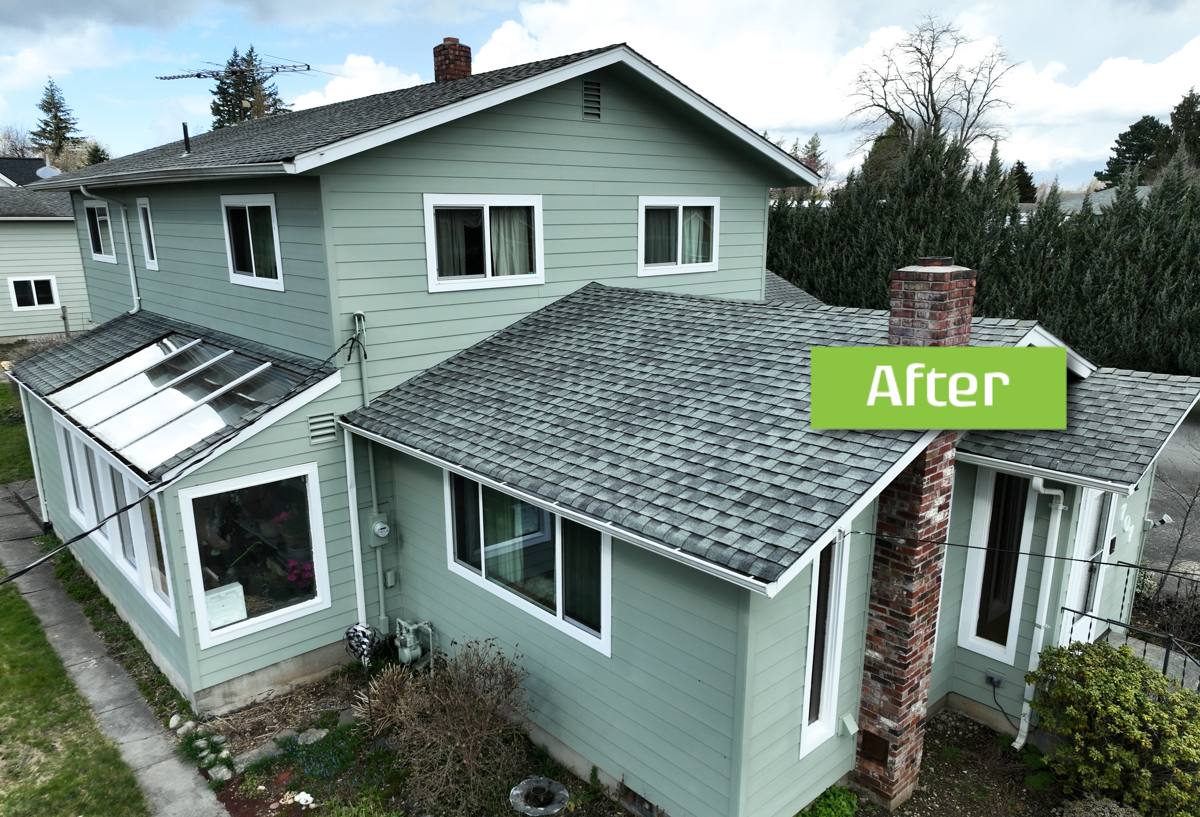
Signs a Samoset Roof Needs Replacement, Not Just Repair
Not every roof problem calls for a full tear-off. But a handful of signs generally mean patching would just be delaying a bigger cost, not solving it:
- Shingles that are curling, cracking, or missing across multiple areas rather than one isolated spot
- Granule loss heavy enough to be collecting visibly in gutters and downspouts
- Multiple past repairs to different parts of the same roof within a short span of years
- Visible sagging along the roofline, which usually points to deck-level moisture damage underneath
- Water staining on interior ceilings or in the attic, especially after wind-driven rain events
- A roof approaching or past the manufacturer's expected service life for its material and this climate
- Difficulty getting favorable homeowner's insurance terms because of the roof's age or condition
If more than one of these applies, it's worth having the roof looked at honestly before the next storm season forces the decision at a worse time.
What a Correct Roof Replacement Involves
Replacing a roof is a system-level job, not just swapping the top layer. Done right for Samoset conditions, it works up through several layers, each doing a specific job.
Tear-Off and Deck Inspection
A full tear-off down to the plywood or OSB decking is the only way to find rot, soft spots, or hidden moisture damage that's been developing quietly, often invisible from inside the attic until it's advanced. Skipping this step and installing over an existing layer just seals whatever problems already exist underneath a fresh surface.
Sealed Deck and Underlayment
Florida's building code has moved toward requiring a sealed, water-resistant roof deck on new installations — underlayment and deck fastening designed to keep water out even if the top roofing material is compromised in a storm. That secondary layer of protection matters directly here, where wind-driven rain routinely gets forced under roofing edges rather than simply running off.
Flashing at Valleys, Chimneys, Skylights, and Walls
Most leaks on roofs in this region don't start in the open field of the roof — they start at flashing. Valleys, penetrations, and the transitions where a roofline meets a wall all need flashing that's properly lapped, integrated with the underlayment, and built as part of the system rather than caulked over as an afterthought.
Wind-Rated Fastening
Nail placement, count, and pattern have to follow both manufacturer specification and the wind-load requirements that apply in this part of Florida, not a faster shortcut method. That's what keeps roofing material locked down under hurricane-force gusts instead of lifting at edges and corners, which is almost always where wind failures start.
Ventilation
Balanced intake and exhaust ventilation keeps the underside of the roof deck drier and cooler year-round, which extends the life of the roofing material and reduces heat load in the attic below. A roof can look fine from the street and still be shortening its own lifespan because of poor attic airflow nobody notices until a problem shows up.
Comparing Roofing Materials for a Samoset Home
| Material | Typical Lifespan Here | Wind & UV Performance | General Cost Tier |
|---|---|---|---|
| Architectural (laminated) asphalt shingles | 20-30 years | Strong wind ratings on higher-tier products; UV-resistant granules recommended | Moderate |
| 3-tab asphalt shingles | 15-20 years | Lower wind rating and thinner profile; a weaker fit for exposed lots | Lowest |
| Standing seam metal | 40-50+ years | Excellent wind resistance and reflects UV heat well when properly finished | Higher |
| Concrete or clay tile | 40-50+ years | Very durable against wind and UV when correctly fastened; underlayment quality is critical | Higher |
There isn't one universally "right" material — the correct choice depends on the home's roof structure, budget, aesthetic goals, and how the property is oriented to sun and wind. We'll walk through the honest trade-offs of each option for your specific roof rather than pushing whatever has the highest margin.
Permits, Code, and Insurance Considerations
A roof replacement in Bradenton and Manatee County requires a permit, and the finished work has to pass inspection against the current Florida Building Code wind and water-resistance requirements. We handle that permitting and inspection process as part of the job rather than leaving it for the homeowner to navigate.
It's also worth knowing that a new roof, installed to current code with the right materials and fastening, can factor into a wind mitigation inspection used by Florida insurers to set or adjust homeowner's insurance premiums. We're glad to explain generally how that works, though the specific discount or requirement is always something to confirm directly with your insurance carrier.
How Our Process Works
We start with an on-site inspection — checking the current roof's condition, the deck underneath where accessible, attic ventilation, and how the specific lot is exposed to wind and sun. From there, we walk through material options that fit the budget and the way you want the roof to perform, along with a clear, itemized proposal that spells out tear-off, underlayment grade, flashing work, and the roofing material itself as separate line items, not one bundled number.
Once the job is scheduled, we pull the required permit, protect the property and landscaping before work begins, and carry out the tear-off, deck inspection, and system-level install described above. We schedule the required inspections, and we finish with a full magnetic sweep for stray fasteners and a walkthrough so you know exactly what was done and what maintenance, if any, the new roof needs going forward.
What a New Roof Still Needs From You
A correctly installed roof in this climate is low-maintenance, not maintenance-free. A little routine attention goes a long way:
- Keep gutters and downspouts clear so wind-driven rain has somewhere to go instead of backing up under roof edges
- Trim back overhanging branches that hold moisture against the roof surface or drop debris into valleys
- Have the roof looked at after any significant storm, even if nothing looks obviously wrong from the ground
- Watch for early signs of granule loss, staining, or lifted edges rather than waiting for an interior leak
- Keep attic ventilation clear and unobstructed so it can keep doing its job
Why It Matters That We Already Work Samoset
A crew that mostly works roofs well inland can still do competent work, but a Bradenton-area job carries requirements that don't come up as often elsewhere — wind-load and fastening standards tied to this region's hurricane exposure, salt-air considerations for metal components, and Manatee County's specific permitting and inspection process. Working this area regularly means we're not learning those requirements on your project. We know what fastening and flashing details actually hold up here, what underlayment performs against wind-driven rain over years rather than months, and how to get a permit through the local process without unnecessary delay.
That familiarity also shows up in smaller, practical ways — being straightforward with Samoset homeowners about what a roof replacement genuinely needs versus what's just an upsell, and standing behind the work because we're not a crew that's moved on to the next county by the time a problem might show up.
If you'd like an honest look at your Samoset roof and a clear, itemized estimate you can compare against anything else you've received, we're glad to come take a look. Use the form below to request a free, no-pressure estimate.