 Bradenton Siding
 Siding Installation in Samoset: Built for What Manatee County Weather Actually Does
Samoset is one of Bradenton's older, established neighborhoods, and a lot of the housing stock here has already been through more than one hurricane season. Homeowners considering new siding in this part of Manatee County are usually weighing two things at once: what the existing siding has already been through, and what the next twenty or thirty years of Gulf Coast weather are going to demand from whatever goes up next. Both questions have real answers, and this page walks through them specifically for a Samoset property rather than treating siding installation as the same job everywhere in Florida.
We install James Hardie fiber cement siding exclusively, and we work in Samoset and the rest of Bradenton regularly. That combination — one material we trust completely, installed by a crew that already knows this specific pocket of Manatee County — is the foundation of how we approach every siding project here.
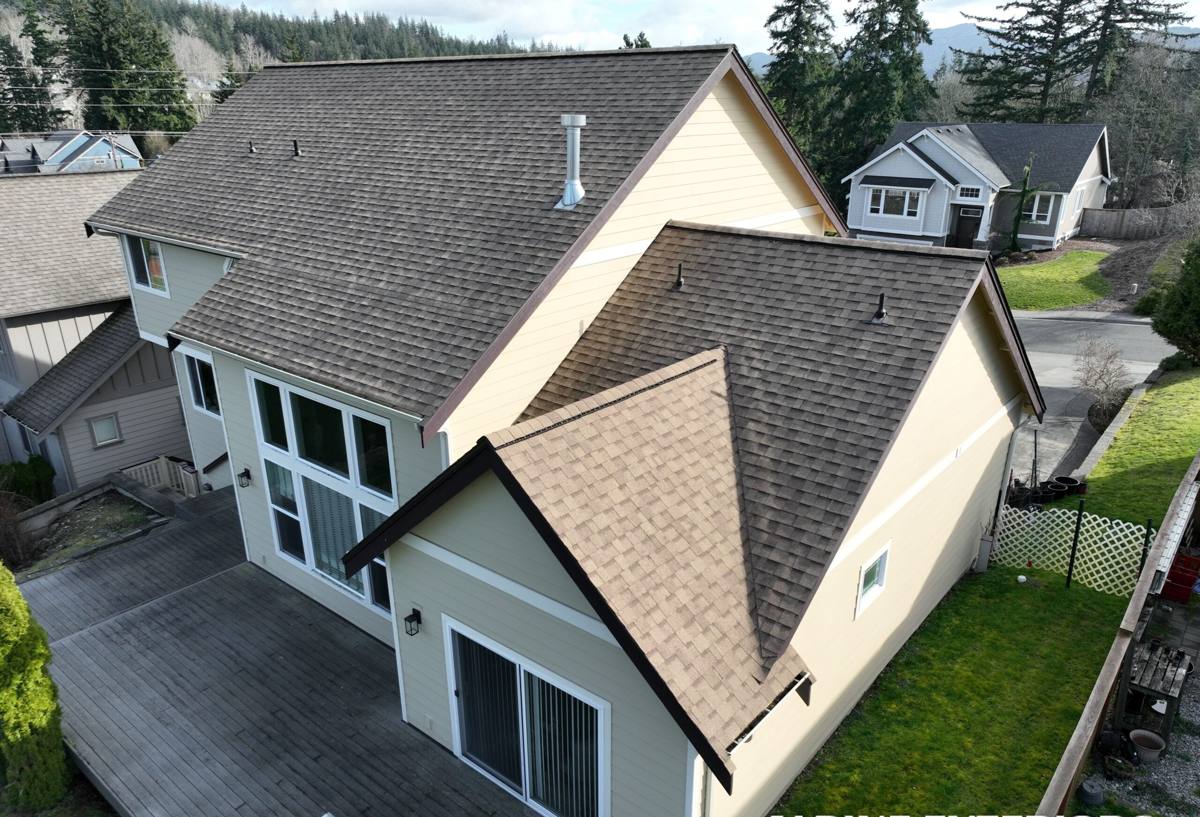
What Hurricane Wind, Intense Sun, and Salt Air Do to Siding Here
Samoset sits a few miles inland from the immediate Gulf and Tampa Bay shoreline, which sometimes leads homeowners to assume their siding faces a gentler environment than a beachfront property. In practice, the difference is smaller than it looks. The same hurricane systems, sun exposure, and salt-carrying wind that hit the coast reach neighborhoods throughout Bradenton, Samoset included, and siding here has to be selected and installed with that in mind.
Hurricane-Force Wind
Manatee County sits squarely in a region that plans for hurricane-force wind as a normal part of construction, not a rare exception. Wind doesn't just push against a wall — it gets under loose or improperly fastened siding edges and pries them away, and it drives rain and debris into any gap that wasn't sealed or flashed correctly. Siding that's rated and fastened for this kind of wind load holds up through a storm season; siding that isn't tends to show the difference the first time a real system comes through.
Intense, Year-Round UV
Florida's sun load is among the highest in the country, and unlike a lot of exterior surfaces, siding doesn't get a break during the off-season — it's in direct or near-direct sun for most of the year. UV breaks down unstabilized coatings and finishes over time, which shows up as fading, chalking, and eventually a surface that needs repainting far sooner than a homeowner expected. A finish that isn't built for sustained, intense UV exposure simply doesn't last as long here as it would in a milder climate.
Wind-Driven Rain
Rain in a Gulf Coast storm rarely falls straight down. It gets pushed sideways into siding laps, seams, window trim, and fastener points, which means flashing details and clearances that would be adequate in a calmer climate need to work harder here. A siding system that's engineered and installed to shed wind-driven rain, not just ordinary rainfall, is the difference between a wall that stays dry behind the cladding and one that slowly develops hidden water damage.
Salt Air, Even This Far Inland
Salt-laden air off the Gulf and Tampa Bay travels well beyond the waterfront, especially when it's riding on storm winds, and it settles on exterior surfaces throughout Bradenton over time. Salt accelerates corrosion in exposed fasteners and hardware and keeps surfaces damp longer than they'd stay in a dry inland climate. A Samoset home doesn't need to sit on the water to feel this effect — it just needs enough years of Gulf Coast weather passing through, which every home in this area gets.
What a Correct Siding Installation Involves
Material choice matters, but installation detail is what actually determines whether siding performs the way it's engineered to in this climate. A correct siding installation on a Samoset home includes:
- Fastening patterns and fastener types matched to the local wind zone, not a generic national standard
- A properly lapped and sealed weather-resistive barrier installed underneath the siding, doing the real work of keeping water out
- Flashing detailed at every window, door, and penetration so wind-driven rain is directed out and away rather than trapped behind the cladding
- Correct clearance between the bottom of the siding and grade, roofing, or hardscape, so moisture isn't wicking up into the lowest courses
- Joints and seams lapped and sealed according to manufacturer specification, not simply butted together and caulked
- Corrosion-resistant fasteners and hardware throughout, given how much salt exposure this area sees over the life of a siding system
Skipping any one of these rarely causes a visible problem on install day. It shows up years later, as a soft spot behind a window, a section of siding that's started to separate at a seam, or hidden rot that's been developing behind the wall for longer than anyone realized.
Why We Install Only James Hardie Fiber Cement
We don't install vinyl siding, LP SmartSide, Cemplank, Allura, primed spruce, or cedar. That's a professional standard, not a limitation — each of those products has legitimate uses elsewhere, but for a Gulf Coast climate that combines hurricane wind, intense UV, and sustained salt exposure, we've made the call that one system installed correctly serves homeowners better than a lower-cost option that quietly shifts maintenance risk back onto them within a decade.
James Hardie fiber cement is non-combustible and doesn't swell, rot, or absorb moisture the way wood-based products can. Its ColorPlus finish is baked on at the factory under controlled conditions, which is a meaningfully different process than a field-applied coating, and it resists the fading and chalking that Florida's UV load causes faster than most homeowners expect. Hardie also engineers climate-specific HZ product formulations rather than a single one-size-fits-all board, including versions built for hot, humid, storm-exposed climates like Manatee County's. Backed by a strong transferable warranty and installed to the manufacturer's actual specification, it's the system we're willing to put our name behind on a Samoset home.
What We Ask Homeowners to Weigh Before Choosing Anything Else
Vinyl and engineered wood siding aren't dishonest products, and plenty of homeowners elsewhere are satisfied with them. But in a climate that regularly tests siding with hurricane wind, sustained UV, and salt air, the trade-offs on those materials — softening or cracking under heat and wind, moisture sensitivity at cut edges, coatings that need to be redone sooner — tend to land back on the homeowner sooner than they expect. That's the comparison worth making before committing to a lower upfront cost.
Choosing the Right Hardie Product for a Samoset Home
| Product Line | Best Use | Why It Fits This Area |
|---|---|---|
| HardiePlank lap siding | Most single-family homes throughout Samoset and Bradenton | Traditional lap profile sheds wind-driven rain well when overlapped and flashed correctly |
| HardiePanel vertical siding | Accent walls, gables, porches, modern or coastal-style exteriors | Clean vertical lines that hold up to sustained sun and salt exposure without the seams a lap profile has |
| HardieShingle siding | Craftsman-style homes or shingle-style accent sections | Textured look without the moisture absorption and repainting cycle of real wood shingle |
| HardieTrim boards | Corners, window and door casing, fascia | Factory-finished trim resists the same UV and moisture cycling as the field siding, so the whole exterior weathers evenly |
Color and profile come down to the individual home, but the underlying approach stays the same: we spec the Hardie product and formulation that actually fits a Samoset property's exposure, not whatever's easiest to install.
How Our Samoset Installation Process Works
Site Visit and Planning
We start by walking the property — checking the condition of the existing siding and substrate, noting sun exposure and which walls take the most direct weather, and looking at how water currently drains around the house. That visit is also where we talk through product, color, and profile options and answer questions honestly, including whether a full re-side or a more targeted repair actually makes sense for your home.
Permitting
Siding work in Bradenton and unincorporated Manatee County generally requires a permit, and the work has to meet the wind-load and installation requirements in the Florida Building Code for this region. We handle that permitting process as part of the job rather than leaving a homeowner to navigate it alone.
Tear-Off and Installation
Once permitted, we remove the old siding and inspect the sheathing underneath for any hidden moisture or rot damage before anything new goes up — this is often the point where problems that weren't visible from the outside get caught and addressed. From there, installation follows manufacturer specification for this climate: weather barrier, flashing, fastening pattern, and clearances, in that order, on every wall.
Final Walkthrough
We finish with a walkthrough so you know exactly what was done, what maintenance the finish actually needs going forward, and what the warranty covers. For most Hardie installations, that ongoing maintenance is minimal, but it isn't zero, and we'd rather tell you that upfront than let you find out the hard way.
Signs a Samoset Home May Need New Siding
Most homeowners reach out because something specific caught their attention, not because they've been tracking every detail of their siding's condition. It's worth knowing what to look for:
- Paint that keeps peeling or failing no matter how often it's redone
- Siding that's cupping, warping, or visibly separating at seams
- Soft spots or slight give when pressing near a window, door, or corner trim
- Rust or corrosion streaks running down from fasteners or hardware
- Visible cracking or impact damage from a past storm season
- Rising energy bills that suggest the wall assembly isn't sealing the way it used to
- Siding that's noticeably faded or chalky compared to when it was installed
None of these automatically means a full replacement is necessary, but each one is worth a professional look rather than an assumption that it'll hold. In this climate, water and wind damage tend to compound rather than stay static.
Siding Installation Cost Factors in Samoset
| Factor | What It Affects | Why It Matters Here |
|---|---|---|
| Tear-off vs. new construction | Labor scope and substrate access | Tear-off often reveals hidden moisture or storm damage common in older Samoset homes |
| Substrate condition | Repair costs before new siding goes on | Sheathing exposed to sustained humidity or a past leak may need repair before installation |
| Home size and complexity | Material quantity and labor time | Multiple stories, dormers, or complex rooflines add cutting, flashing, and staging time |
| Product line and profile | Material cost | Lap, panel, and shingle profiles carry different material and labor costs |
| Wind-rated fastening spec | Labor and hardware requirements | Correct fastening for local wind load takes more time than a minimal, non-rated install |
Exact pricing depends on the specific home, which is why we walk the property in person and give a written estimate rather than quoting off a generic price sheet.
Why It Matters That We Already Work in Samoset
A crew that occasionally passes through Bradenton can still install siding competently, but a Samoset property benefits from a crew that's already familiar with this neighborhood's older housing stock, common substrate conditions, and how local permitting works. We're not guessing at Manatee County's wind-load requirements or learning the quirks of this area's building stock on your project — we've worked through them on homes like yours before. That familiarity shows up in practical ways: knowing what to expect when the old siding comes off, which fastening details actually matter for this wind zone, and being straightforward about what your home needs versus what's just an upsell.
If your Samoset home needs new siding, a repair, or simply an honest second opinion on what's happening behind an aging wall, we're glad to take a look. Reach out using the form below to schedule a free, no-pressure estimate.