 Bradenton Siding
 Siding Repair Built for Village of the Arts, Not Just Any House
Village of the Arts sits close enough to the water and to downtown Bradenton that its homes take on the full brunt of what Manatee County weather can dish out: long stretches of intense UV, heavy wind-driven rain during the summer wet season, salt-laden air moving in off the coast, and the occasional direct hit or near-miss from a hurricane. Siding in this neighborhood isn't just cosmetic — it's the barrier standing between that weather and the wood framing, insulation, and interior of a home that, in many cases, has already been standing for decades. When that barrier is compromised, even in a small, localized spot, the damage underneath rarely stays small for long.
This page is specifically about repairing siding on homes in Village of the Arts — not a general "siding repair" pitch. The damage patterns, the repair judgment calls, and the materials that make sense here are shaped by this neighborhood's housing stock and its exposure, and that's what we focus on when we're called out to a job in this part of Bradenton.
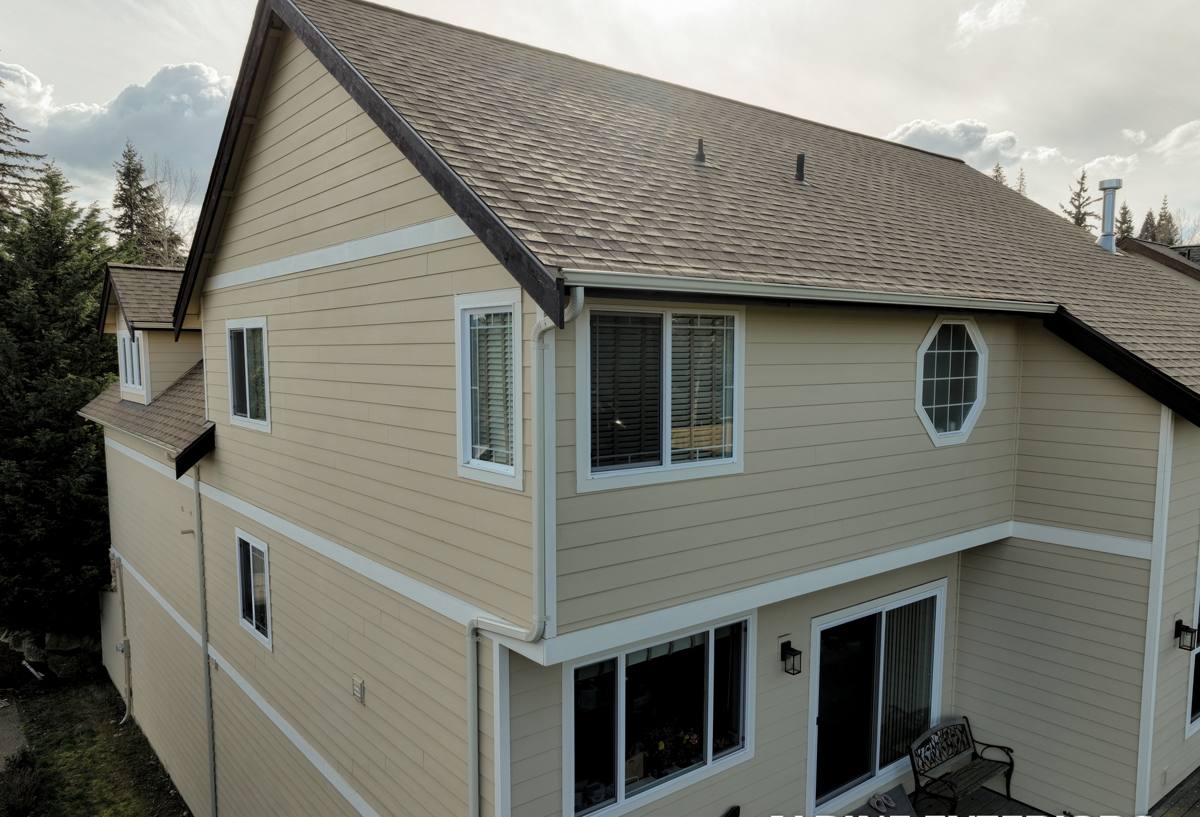
Why This Neighborhood's Homes Show Certain Kinds of Siding Damage
Village of the Arts is known for its collection of older, character-filled cottage and bungalow-style homes, many of which have been repainted, re-purposed as studios or galleries, or otherwise modified over the years. That history matters when it comes to siding repair for a few reasons. Older homes in this part of Bradenton were frequently sided with materials that have since been discontinued, patched over multiple times, or mixed — original wood siding sitting next to a later addition finished in something else entirely. That patchwork history makes clean, honest repair work more important, not less, because a poorly matched patch is more visible on a home with real architectural character than it is on a newer subdivision house.
Add in mature tree canopy that shades parts of many lots, tight setbacks between structures, and decades of Gulf Coast humidity, and you get siding that's had a lot of years to absorb moisture, flex in the heat, and take a beating from UV exposure. None of that is unique to Village of the Arts, but the combination of an older housing stock and a coastal Bradenton climate is exactly the mix that produces recurring, repairable siding damage rather than damage that shows up once and stops.
Salt Air and Sun: A Slow, Steady Wear Pattern
Salt air doesn't just affect homes directly on the water. It travels inland on the wind and settles on exterior surfaces across Bradenton, including neighborhoods like Village of the Arts that sit a short distance from the coast. Combined with Florida's UV load, this accelerates the breakdown of paint films, caulk joints, and lower-grade siding materials — which is why repair needs here tend to show up as widespread surface wear plus a handful of more serious problem spots, rather than isolated damage alone.
Common Siding Repair Issues We See on Village of the Arts Homes
Not every siding problem is the same, and the right fix depends on what's actually causing the damage. The issues below are the ones we run into most often on repair calls in this neighborhood:
- Cracked or split boards from age, impact, or repeated expansion and contraction in the Florida heat.
- Soft or rotted sections where moisture has been getting behind or into the siding, often near ground level, window trim, or roof lines.
- Failed or missing caulk joints at seams, corners, and trim, which lets wind-driven rain track behind the siding during storms.
- Fading and chalking paint or finish from sustained UV exposure, especially on south- and west-facing walls.
- Buckled or warped panels caused by moisture absorption in wood-based or lower-grade composite siding.
- Impact damage from storm debris, falling limbs, or lawn equipment.
- Mismatched patch repairs from previous work that used the wrong material, profile, or color, which stand out and can also fail faster than the surrounding siding.
Any one of these can look minor from the ground. The judgment call — and the part that actually protects the home — is figuring out whether it's an isolated cosmetic issue or a sign that moisture has already gotten into the wall assembly.
What a Correct Siding Repair Actually Involves
Diagnosing the Real Problem, Not Just the Visible One
A siding repair that only addresses what's visible from the street is a repair that's likely to need doing again. Before we replace or patch anything, we check what's happening underneath: is the sheathing still solid, is the moisture barrier intact, and is there any sign that water has been tracking further than the damaged board itself suggests. On older Village of the Arts homes, this step matters more than usual, since decades of prior work — some of it done to code, some of it not — can hide problems behind a perfectly fine-looking wall.
Matching Material, Profile, and Finish
Once we know what caused the damage and how far it extends, the repair itself needs to match the surrounding siding in reveal, texture, and finish — otherwise you end up with a patch that's structurally fine but visually obvious. This is one of the more difficult parts of siding repair on older or character homes, because the original material may no longer be manufactured. In those cases, we talk through the honest options with the homeowner rather than forcing a mismatched patch onto a home that clearly deserves better.
Repair vs. Replacement: How We Help You Decide
Not every damaged section needs a full re-side, and not every damaged section should just be patched. The table below covers the factors we actually weigh when making that call:
| Factor | Favors Repair | Favors Replacement |
|---|---|---|
| Extent of damage | Isolated to one or two sections | Spread across multiple walls or elevations |
| Underlying moisture | Sheathing and framing test dry | Signs of ongoing water intrusion or rot behind siding |
| Age and condition of remaining siding | Siding is otherwise sound and well-maintained | Remaining siding is brittle, faded, or near end of life |
| Material availability | A close match is realistically achievable | Original material is discontinued or unmatchable |
| Long-term cost | Repair meaningfully extends useful life | Repeated repairs are likely within a few years |
We'll walk you through where your home falls on that table before recommending anything. If a targeted repair is the honest answer, that's what we'll propose — a repair-only visit is a normal, legitimate outcome of an estimate.
Why We Repair Using James Hardie Fiber Cement — Not Vinyl, Wood, or Composite Patches
We install and repair with James Hardie fiber cement siding exclusively. We don't patch a home with vinyl, primed spruce, cedar, or other composite products, even when that would technically be the faster or cheaper fix. That's a deliberate standard, not a limitation we're apologizing for.
Vinyl and wood-based siding products each have real strengths, but they also come with trade-offs that matter a lot in a climate like Bradenton's: vinyl can warp or crack under sustained heat and impact and offers little resistance to wind-driven debris, while untreated or primed wood siding needs consistent repainting and sealing to hold up against Gulf Coast humidity and is far more vulnerable to rot once a seal fails. Patching a damaged section with either of those materials might solve today's problem while quietly setting up tomorrow's. James Hardie fiber cement is non-combustible, engineered for hot, humid, storm-prone climates through its HZ5 product line, and holds its ColorPlus factory finish far longer under UV exposure than field-applied paint. When we repair a section of Hardie siding, we're extending the life of a system that was built to perform here — not introducing a weaker material into an otherwise solid wall.
If your current siding isn't Hardie and a repair isn't realistic, we'll tell you that honestly and explain what replacement with Hardie would look like, including where it makes sense to phase the work rather than do the whole house at once.
Our Siding Repair Process for Village of the Arts Homeowners
Every repair job follows the same core process, adjusted for the specific damage and the home:
- On-site inspection of the damaged area and a check of the surrounding siding for related issues.
- Assessment of the wall assembly behind the siding — sheathing, moisture barrier, and fasteners — where damage suggests water may have gotten in.
- A clear, written explanation of what we found and whether repair or replacement is the right call, with no pressure toward the bigger job.
- Careful removal of the damaged section without disturbing sound siding around it.
- Repair or replacement with James Hardie fiber cement, matched to the existing reveal and finish as closely as the product line allows.
- Proper flashing, sealing, and fastening at the repair to keep water from re-entering at the same spot.
- A final walkthrough so you can see the completed work before we consider the job done.
Simple in concept, but each of those steps is where a rushed repair either holds up for years or fails again within one storm season.
Why Hiring a Crew That Already Works in Village of the Arts Matters
Siding repair on an older, architecturally distinct home isn't the same job as repairing siding on a newer, uniform subdivision house. A crew that regularly works in Village of the Arts has already seen the mix of siding generations, framing quirks, and prior repair work that shows up on homes like these, and knows what questions to ask before opening up a wall. That experience shortens the diagnostic guesswork and reduces the chance of a repair that looks fine on day one but fails at the next heavy rain.
It also means showing up with realistic expectations about permitting, working around dense lots and neighboring structures, and being straightforward about what's achievable when an exact material match isn't available — rather than overselling a patch that won't hold its color or profile over time.
Protecting the Repair Once It's Done
A good repair should outlast the conditions that caused the original damage, but a little upkeep goes a long way in this climate. Keep an eye on caulk lines at trim and seams, especially after a hard summer storm season, and address any new soft spots or cracks early rather than waiting for them to spread. Trim back vegetation that's holding moisture against the wall, and rinse off accumulated salt and grime periodically so it doesn't sit against the siding finish long-term. None of this requires much time, but it's the difference between a repair that lasts and one you're revisiting in a couple of years.
If you're noticing cracked, soft, or damaged siding on a Village of the Arts home, we're happy to take a look and give you a straight answer on what it needs. Reach out for a free, no-pressure estimate using the form below.