 Bradenton Siding
 Siding Replacement Built for Bayshore Gardens' Coastal Exposure
Bayshore Gardens sits close enough to Sarasota Bay and the Gulf that the air itself works against your siding every single day. That's different from siding a home twenty miles inland. Salt-laden humidity settles into seams and fastener heads, afternoon UV bakes painted and vinyl surfaces for most of the year, and when a tropical system tracks through Manatee County, wind-driven rain gets forced sideways into every gap a wall assembly has. Siding here isn't just a cosmetic layer — it's the first line of defense between that environment and your home's framing, insulation, and interior finishes.
When we talk about siding replacement in Bayshore Gardens specifically, we're talking about a job that has to account for all of that at once: sustained coastal humidity, intense year-round sun, and the real possibility of hurricane-force wind loads. A product or installation approach that works fine in a drier, calmer climate can fail here years ahead of schedule.
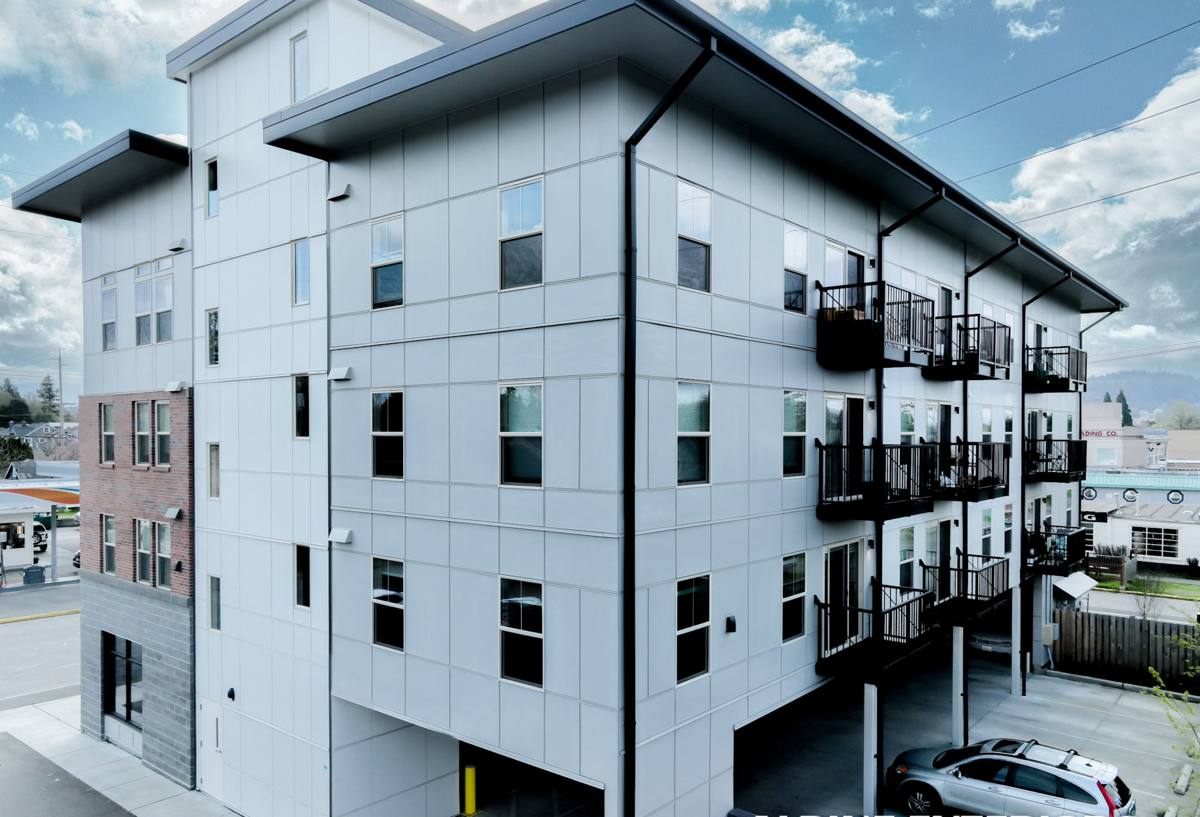
Signs a Bayshore Gardens Home Needs Siding Replacement, Not Another Repair
Homeowners often ask us whether they need a full replacement or just a patch. In this climate, a few warning signs usually mean the underlying material has already lost its ability to protect the wall behind it, even if the surface still looks passable from the street.
- Soft, spongy, or crumbling spots when you press on the siding, especially near the bottom courses and around windows
- Visible cupping, warping, or buckling panels, often from moisture that's already worked its way behind the material
- Paint that won't hold — repeated peeling or blistering within a year or two of repainting
- Chalky residue (UV breakdown) combined with fading that no longer responds to washing or fresh paint
- Rust streaking at fastener points, a common sign of corrosion accelerated by salt air
- Gaps, cracked caulk lines, or separated seams around trim, corners, and penetrations
- A musty smell or discoloration on interior walls that back up to exterior siding
Any one of these on its own might be a repair. Several at once, especially on a home that's had a few storm seasons pass without a siding refresh, usually points to replacement being the more honest recommendation.
What This Climate Actually Demands From New Siding
It helps to separate the stressors Bayshore Gardens siding faces and what each one requires from the material and the installation.
| Climate Factor | What It Does to Siding | What the Siding Needs |
|---|---|---|
| Salt air off the bay/Gulf | Accelerates corrosion of fasteners and metal trim, degrades finishes faster than inland exposure | Corrosion-resistant fastening and a factory finish engineered to resist salt exposure, not a field-applied paint alone |
| Year-round intense UV | Fades color, breaks down resin binders in lower-grade materials, causes chalking | A finish rated for UV stability, applied with consistent factory quality control |
| Wind-driven rain | Forces water sideways and upward under laps, seams, and trim during storms | Correct lap exposure, sealed penetrations, and a drainage plane behind the siding that actually works |
| Hurricane-force wind gusts | Tests every fastener and the wind rating of the material itself; loose or under-fastened panels become debris | A fastening schedule that meets Florida Building Code wind requirements for the home's exposure category |
| High ambient humidity | Keeps moisture in contact with siding and sheathing longer after every rain event | A material that doesn't absorb and hold water, plus a wall assembly that can dry out between rain events |
Why We Only Install James Hardie Fiber Cement
We made a deliberate decision as a company: we install James Hardie fiber cement siding and nothing else. Not vinyl, not LP SmartSide, not Cemplank, not Allura, not primed wood. That's not a marketing angle — it's a standard we hold because of what we've seen these products do, and not do, in coastal Florida conditions over time.
Vinyl softens and can distort in sustained high heat, and in a hurricane-force wind event it has a lower resistance to impact and blow-off than fiber cement. Wood-based and wood-fiber composite products depend heavily on maintained paint and sealed edges to keep moisture out; miss a maintenance cycle in this humidity and rot can start quickly. Other fiber cement brands exist, but James Hardie is the one we've standardized on for its ColorPlus factory finish (baked-on, not field-applied, which matters enormously under constant UV), its HardieZone engineering for humid climates, and a warranty structure that's been consistent and transferable.
We're upfront that Hardie isn't magic — it still has to be installed correctly to perform. But starting from a non-combustible, dimensionally stable fiber cement base gives a Bayshore Gardens home a real head start against everything on the list above.
HardieZone and Why It Matters Here
James Hardie engineers its products by climate zone. Manatee County falls in the HZ10 zone, which covers the humid Gulf and Southeast regions. Product formulated for HZ10 is built to resist the moisture cycling and humidity exposure typical here, rather than being a one-size-fits-all national product. That distinction matters more the closer a home sits to the bay.
What a Correct Siding Replacement Job Actually Involves
The material is only part of the equation. Most siding failures we're called out to inspect in this area trace back to installation shortcuts, not the product itself. A correct job includes:
- Full tear-off and inspection of the sheathing underneath — replacing any rotted or water-damaged wood before anything new goes up
- A properly lapped weather-resistive barrier that creates a continuous drainage plane behind the siding, not just a stapled-on wrap
- Correct flashing at every window, door, and roof-to-wall intersection, since these are the points where wind-driven rain most often finds its way in
- Manufacturer-specified fastening — the right fastener type, spacing, and embedment to meet both James Hardie's installation requirements and Florida Building Code wind provisions
- Correct lap exposure and clearances, including gaps at the bottom of the siding away from grade, decks, and roof lines to prevent standing moisture contact
- Sealed and caulked penetrations at every fixture, vent, and utility line using products rated for coastal exposure
- Trim and corner detailing that sheds water outward rather than channeling it behind the wall assembly
Skip any one of these steps and you can end up with premium siding performing like a budget product — which is exactly the kind of early failure we get called to fix on homes that had "good" material installed poorly.
Our Process, Start to Finish
We keep the process straightforward and give homeowners a clear picture of what's happening at each stage:
- On-site assessment — we look at your current siding, the sheathing condition where accessible, and any moisture or wind-exposure issues specific to your lot
- Written estimate — clear scope, product selection, and pricing, no pressure to sign on the spot
- Tear-off and substrate check — removing old material and repairing any damaged sheathing before moving forward
- Weather barrier and flashing installation — the unglamorous work that determines whether the finished siding actually keeps water out
- James Hardie installation — panels, fastening, and trim work done to manufacturer spec and code
- Final walkthrough — reviewing the finished work with you and answering questions before we consider the job done
Why Hiring a Crew That Already Works in Bayshore Gardens Matters
Siding installation isn't identical everywhere in Florida, let alone the country. A crew that regularly works Manatee County knows the local wind exposure categories, is familiar with the permitting expectations for the area, and has already seen how homes here age under salt air and storm cycles. That local repetition matters — it's the difference between following a generic install manual and knowing which details actually get tested by this specific environment.
It also matters for accountability. A contractor with an established local presence isn't disappearing after the invoice clears, which counts for a lot on an exterior system you're expecting to perform through the next several hurricane seasons.
What Affects the Cost of Siding Replacement Here
| Factor | Why It Affects Price |
|---|---|
| Home size and number of stories | More surface area and access complexity (staging, ladders, lifts) directly affects labor |
| Condition of existing sheathing | Rot or water damage found during tear-off requires repair before new siding goes up |
| Siding profile and accessories | Lap width, trim details, and accent features change material and labor needs |
| Amount of trim, corners, and penetrations | More detail work around windows, vents, and rooflines adds installation time |
| Color and finish selection | ColorPlus factory-finished options versus field-painted options price differently |
We don't publish blanket per-square-foot pricing because these variables genuinely change the number from one home to the next — an accurate estimate requires actually looking at your house.
If your Bayshore Gardens home is showing signs of wear or you're planning ahead of the next storm season, we're happy to walk the exterior with you and give you a straightforward, no-pressure estimate. There's no obligation — just an honest look at where things stand and what your options are.