 Bradenton Siding
 Building Decks That Hold Up in Southgate's Climate
A deck in the Southgate area of Bradenton lives a harder life than a deck almost anywhere else in the country. Between the intense year-round UV, the salt-laden air rolling in off the Gulf and Tampa Bay, sudden wind-driven downpours, and the occasional direct hit from a tropical system, every material and every joint on that structure is being tested constantly. A deck that would last twenty years in a drier, milder climate can start failing in five or six here if it wasn't built with these conditions in mind from the start.
That's the difference between a deck that's "installed" and a deck that's actually engineered for Manatee County. We build for the site conditions we actually have, not the conditions a generic framing spec assumes.
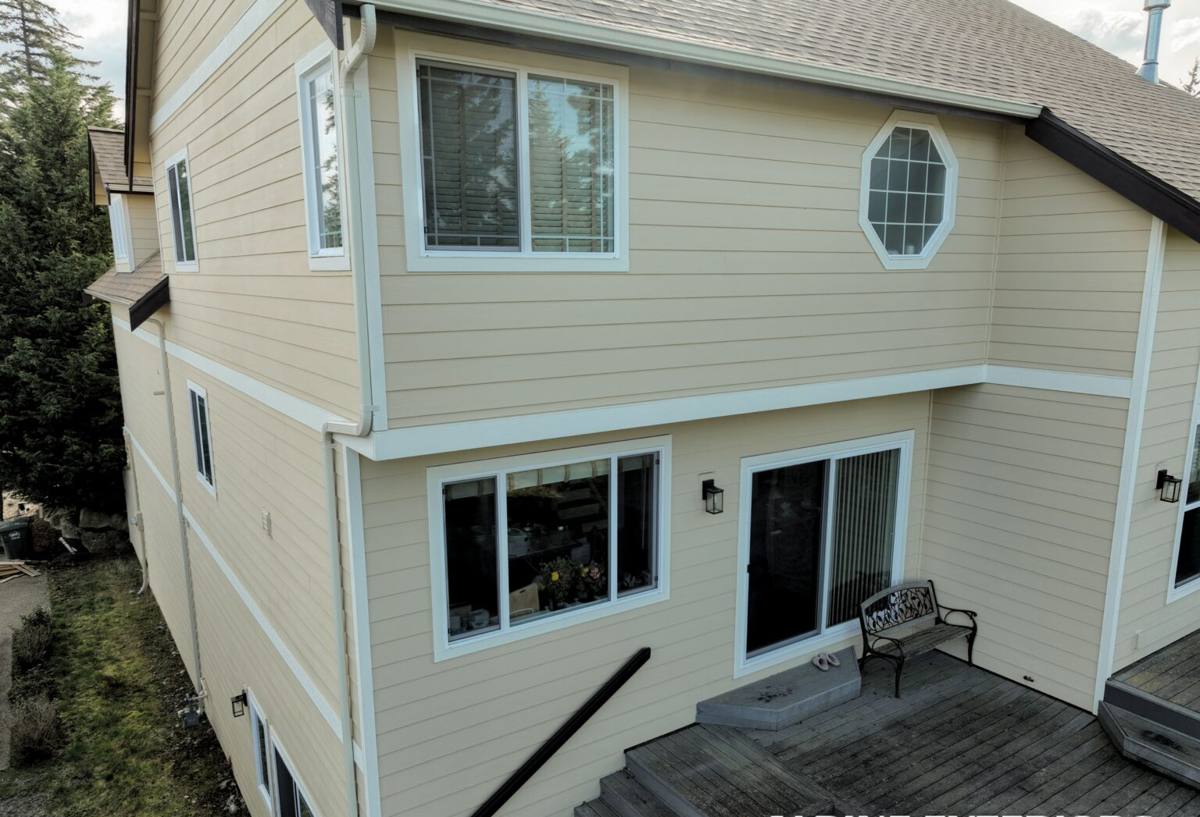
What Southgate Homes Need From a Deck
Southgate is a well-established, mostly residential part of the Bradenton area, and the homes here reflect that — a mix of ages and styles, many with mature landscaping and tree canopy that changes how sun, shade, and moisture behave around the house. A deck project here needs to account for a few things that are specific to this kind of setting:
- Shade cycling from mature trees. Decks that sit partly shaded and partly full-sun during the day expand and contract unevenly, which stresses fasteners and board seams over time.
- Ground moisture and drainage. Florida's water table sits close to the surface in much of Manatee County. Post footings and ledger connections need to be detailed so standing water and humidity don't sit against untreated wood or bare metal.
- Salt-air corrosion. Even set back from the immediate coastline, Bradenton properties get enough salt exposure in the air that standard hardware corrodes faster than inland installations. Fastener and connector selection matters more here than in most of the country.
- Storm loading. Ledger attachment, post spacing, and railing anchoring all need to meet wind loads that reflect our hurricane exposure, not a minimum-code assumption written for a calmer climate.
Materials: What We Recommend and Why
There's no single "best" decking material for every Southgate yard — it depends on how much sun the deck gets, how much upkeep the homeowner wants to do, and budget. Here's how the common options actually perform under our conditions:
| Material | UV/Fade Resistance | Moisture & Salt Air Behavior | Maintenance |
|---|---|---|---|
| Pressure-treated pine | Fades and grays without regular finishing | Treated core resists rot but fasteners and cut ends need sealing | Annual cleaning and re-staining/sealing |
| Composite decking | Strong UV-stable color retention | Doesn't absorb moisture or rot; caps resist salt exposure well | Occasional washing, no staining or sealing |
| Tropical hardwoods (e.g., ipe) | Naturally UV and rot resistant | Very dense, handles moisture well; hardware still needs to be corrosion-rated | Periodic oiling to maintain color; low rot risk if untreated |
| PVC decking | Excellent, does not gray or fade like wood | Fully moisture-proof, no rot risk, handles salt air well | Very low; washing only |
We don't push one product on every homeowner. If you want the classic look of real wood and are willing to keep up with sealing on a schedule, treated pine or a hardwood can be the right call. If low maintenance matters more than anything else, composite or PVC decking earns its higher upfront cost over time — especially in a climate that's hard on finishes. We'll walk through the honest trade-offs for your specific deck, budget, and how much upkeep you actually want to do.
A Note on Fasteners and Framing Hardware
This is where a lot of decks in this region actually fail first — not the decking boards, but the hardware underneath. Standard galvanized fasteners and joist hangers corrode faster in salt-influenced air than most homeowners expect, sometimes visibly rusting and weakening within a few years. We use stainless steel or coated fasteners and connectors rated for coastal exposure on every deck we build, because replacing hidden structural hardware later means tearing into a finished deck.
What a Correctly Built Deck Involves
A deck is a structure first and a surface second. Getting the surface right doesn't matter much if the framing underneath isn't sound. Here's what we treat as non-negotiable on every project:
Footings and Foundation
Post footings need to be sized and set below grade appropriately for our soil conditions, not just poured to a minimum depth. Where the water table or drainage is questionable, we adjust footing design accordingly rather than hoping it works out.
Ledger Attachment
If the deck attaches to the house, the ledger board connection is one of the most safety-critical parts of the entire structure — it's also one of the most common points of failure on poorly built decks, since a ledger that isn't flashed and fastened correctly lets water into the house's wall framing over time. We flash it properly and anchor it to the actual structural framing of the home, not just the sheathing.
Framing and Spacing
Joist spacing, beam sizing, and post placement all need to account for the wind and load requirements in our area. We don't shortcut spans to save a few boards.
Railings and Guards
Railings need to be anchored to resist real lateral force, not just look sturdy. This matters even more with kids, pets, or entertaining in mind, and it matters for wind resistance during storm season.
Fasteners and Connectors
Corrosion-resistant hardware throughout — covered above, but worth repeating because it's the detail most often skipped by crews rushing a job.
Our Process for a Southgate Deck Project
- On-site walkthrough and assessment. We look at sun exposure, drainage, tree canopy, and how the deck will connect to your home before recommending anything.
- Material and layout discussion. We go over decking material options, railing style, and layout honestly — including what each choice will actually cost you in upkeep down the road.
- Permitting. Deck projects in Manatee County typically require permits and inspections, especially for structures attached to the home or elevated above a certain height. We handle that process rather than leaving it to you.
- Site prep and footings. Layout, footing excavation, and foundation work sized for the actual soil and structure.
- Framing. Ledger, posts, beams, and joists built to the load and spacing the design calls for, with corrosion-rated hardware throughout.
- Decking, railing, and finish work. Boards, railings, stairs, and any trim or fascia installed and finished cleanly.
- Final walkthrough and inspection. We confirm everything meets code and walk the finished deck with you before calling the job done.
Why Hire a Crew That Already Works This Area
Manatee County's permitting requirements, soil conditions, and wind-load expectations aren't identical to a deck contractor's home base three counties away. A crew that already builds decks around Bradenton knows what inspectors here are looking for, knows which fastener and footing details actually hold up against our humidity and storm exposure, and isn't learning the local permitting process on your project. That local familiarity shows up in fewer surprises, fewer inspection delays, and a deck that's actually built for where it sits — not a generic spec pulled from somewhere else.
Maintaining Your Deck After It's Built
Whatever material you choose, a little regular attention goes a long way in this climate. A simple seasonal checklist:
- Rinse off salt residue, pollen, and debris every few weeks, more often if the deck is near the coast or under heavy tree cover.
- Check railing and stair connections for looseness once or twice a year — wood movement and hardware settling are normal, but shouldn't go unaddressed.
- For wood decking, reseal or restain on the schedule the product calls for; UV here breaks down finishes faster than in milder climates.
- Keep gutters and downspouts near the deck clear so runoff isn't pooling against footings or ledger flashing.
- After any major storm, do a quick visual check of fasteners, railings, and footings before heavy use resumes.
None of this is complicated, but skipping it is exactly how a well-built deck starts developing problems years before it should.
Getting Started
Every yard in Southgate is a little different — sun exposure, tree cover, how the house sits on the lot, and what you actually want to use the space for all factor into the right design and material choice. If you're thinking about a new deck or need to talk through options for your property, we're happy to take a look and give you a straight answer, no pressure. Use the form below to request a free estimate and we'll go from there.