 Bradenton Siding
 Siding Installation Built for Southgate's Conditions
Southgate is one of Bradenton's established residential neighborhoods, with the kind of mature tree canopy and settled streets that make Manatee County living appealing. But that same appeal comes with a climate that is genuinely hard on exterior building materials. Homes here sit close enough to Tampa Bay and the Gulf that salt-laden air is a constant, and every summer brings the same combination of intense UV exposure, sudden downpours, and the real possibility of hurricane-force wind loads. Siding in this part of Florida isn't just a cosmetic choice — it's the first line of defense for the wood framing, sheathing, and interior of the house.
When we install siding in Southgate, we're not treating it as a generic Florida job. We're accounting for a specific combination of stressors: wind-driven rain that gets pushed sideways and upward under eaves, UV that fades and degrades weaker materials within a few years, and salt air that accelerates corrosion on fasteners and trim. A siding system that isn't specified and installed correctly for those conditions will show problems faster here than it would inland.
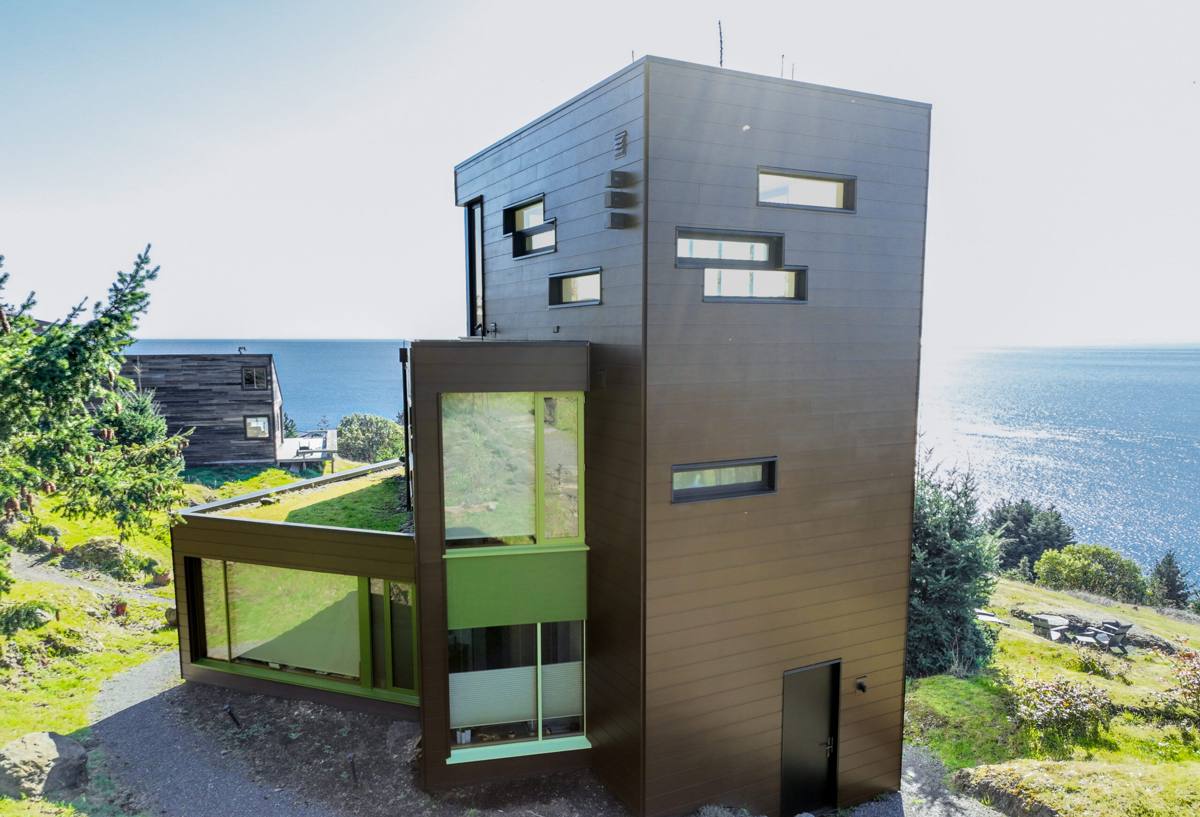
How Bradenton's Climate Wears Down the Wrong Siding
Wind-Driven Rain and Moisture Intrusion
Most siding failures we see in this area don't start with the siding itself — they start with water getting behind it. Wind-driven rain during Gulf Coast storms doesn't just fall straight down; it drives horizontally into wall assemblies, working into seams, laps, and penetrations around windows and doors. Once moisture gets behind a wall covering, it can sit against sheathing and framing for days in Florida's humidity, leading to rot, mold, and hidden structural damage long before anything is visible from the outside.
UV Exposure and Sun Damage
Manatee County gets strong, direct sun essentially year-round. Materials with weak factory finishes or unprotected surfaces chalk, fade, and become brittle under that kind of exposure. A south- or west-facing wall in Southgate can see noticeably more paint failure and material breakdown than the same wall on a home just a few states north.
Salt Air and Coastal Corrosion
Bradenton's proximity to Tampa Bay means airborne salt is a factor even for homes that aren't waterfront. Salt accelerates the corrosion of fasteners, flashing, and any exposed metal components in a siding system. Over years, that corrosion can compromise the very things holding the siding — and the water-resistive barrier behind it — in place.
Wind Load During Storm Season
Manatee County is squarely in a hurricane-exposed zone. Siding needs to be rated and fastened to resist significant wind pressure and wind-borne debris, not just look good on a calm day. Under-fastened or improperly lapped siding is one of the first things to fail in a serious wind event, and once it fails, the wall assembly behind it is exposed.
What a Correct Installation Actually Involves
A siding job that will hold up in Southgate's climate depends far more on the installation details than on the product box it came in. The material matters, but so does everything underneath and around it. A correct installation includes:
- A properly installed water-resistive barrier (weather barrier/house wrap) that is lapped correctly to shed water downward at every seam
- Flashing at every window, door, and roof-to-wall intersection, integrated with the water-resistive barrier rather than just caulked over it
- Correct fastener type, spacing, and penetration depth — under-fastening is a common shortcut that shows up during the next major storm
- Proper starter strips, corner treatments, and butt joint placement so laps shed water the way they're designed to
- Manufacturer-specified clearances from grade, roofing, and other transitions to keep the bottom edge of the siding from sitting in standing moisture
- Caulking and sealant only where the manufacturer specifies it — not as a substitute for proper flashing and lap technique
Skipping or rushing any one of these steps can undermine an otherwise good product. This is why the crew doing the installation matters as much as the siding itself.
Why We Install Only James Hardie Fiber Cement
We made a decision as a company to install James Hardie fiber cement siding exclusively — we don't install vinyl, LP SmartSide, or other engineered wood or fiber cement alternatives. That's not a marketing position; it's a standard we hold because of what we've seen these products do, and not do, in exactly the kind of climate Southgate sits in.
Fiber cement is non-combustible and dimensionally stable, meaning it doesn't expand, contract, or warp with Florida's heat and humidity swings the way wood-based products can. James Hardie's ColorPlus factory finish is baked on and formulated to resist the fading and chalking that UV exposure causes on field-applied paint. Their HZ5 product line is engineered specifically for high-humidity, storm-prone climates like ours, addressing moisture behavior in a way that generic fiber cement or vinyl products aren't built for. James Hardie also backs the product with a strong transferable warranty — but that warranty is only meaningful when installation follows their specifications exactly, which is a large part of why correct installation technique is something we don't compromise on.
We're not going to tell you every other siding product is worthless — vinyl and engineered wood both have legitimate use cases in the right climate and price point. But for what Southgate homes face — salt air, UV, wind-driven rain, and hurricane wind loads — we've concluded that James Hardie fiber cement, installed correctly, is the product we're willing to put our name behind.
Siding Material Comparison for Manatee County Homes
| Factor | James Hardie Fiber Cement | Vinyl Siding | Engineered Wood Siding |
|---|---|---|---|
| UV / fade resistance | ColorPlus factory finish resists fading and chalking | Can fade and become brittle over time in intense sun | Depends heavily on field-applied paint maintenance |
| Moisture behavior | Engineered HZ5 line for humid, storm-prone climates | Doesn't absorb water, but seams can allow intrusion | Wood-based core is vulnerable if moisture gets in |
| Wind resistance | Rated for high wind loads when properly fastened | Can crack or blow off in high wind if under-fastened | Wind rating varies by manufacturer and installation |
| Fire performance | Non-combustible | Combustible | Combustible |
| Salt air durability | Fiber cement composition resists coastal corrosion effects on the material itself | Generally stable but fasteners/trim still at risk | Wood core more susceptible to coastal moisture effects |
Our Siding Installation Process in Southgate
1. On-Site Assessment
We walk the home in person to look at existing siding condition, wall assembly, moisture history, window and door detailing, and any areas showing prior water intrusion. This tells us what's happening beneath the surface, not just what the siding looks like.
2. Removal and Substrate Inspection
Once old siding is off, we inspect sheathing and framing for hidden rot or damage before anything new goes on. Covering up a compromised substrate just hides a problem that will resurface later.
3. Water-Resistive Barrier and Flashing
This is the layer that actually keeps water out, and it's where most long-term failures originate if it's done wrong. We install and lap the barrier correctly and integrate flashing at every penetration and transition.
4. James Hardie Installation to Manufacturer Spec
Siding goes on following James Hardie's fastening, clearance, and lap specifications — the details that keep both the product warranty and the wall assembly intact through Bradenton's storm seasons.
5. Trim, Caulking, and Final Detail Work
Corners, trim, and any specified sealant points are finished last, along with a walkthrough so you understand what was done and why.
Cost Factors for Southgate Siding Projects
Every home is different, so we don't quote pricing sight-unseen — but the main factors that drive cost on a Southgate siding project are consistent:
| Factor | Why It Matters |
|---|---|
| Home size and wall complexity | More square footage and more corners, gables, and dormers mean more labor and material |
| Substrate condition | Hidden rot or damage found during removal adds repair work before new siding goes on |
| James Hardie product line and profile | HZ5 lines, plank width, and texture (smooth vs. woodgrain) affect material cost |
| Trim and detail work | Corner boards, window trim, and transitions add labor time |
| Access and site conditions | Mature landscaping, fencing, or tight lot lines common in older neighborhoods can affect setup and staging |
What to Ask Before Hiring a Siding Contractor
A crew that already works in Southgate and similar Bradenton neighborhoods understands local wind and moisture conditions without needing to relearn them on your project. Before hiring anyone for a siding job in this area, it's worth asking:
- Are you a certified or factory-trained James Hardie installer, and can you explain their fastening and clearance specs from memory?
- What water-resistive barrier and flashing system will you use, and how do the laps and seams work together?
- How do you handle substrate repair if you find rot or damage once old siding comes off?
- What does the manufacturer's warranty require to stay valid, and will the installation meet those terms?
- Do you carry proper licensing and insurance for exterior work in Manatee County?
A straight answer to every one of these questions is a good sign. Vague answers about "we've done this before" without specifics are worth a second look.
Keeping Southgate Siding Performing for Decades
Even correctly installed siding benefits from basic upkeep in this climate. A short annual routine goes a long way:
- Rinse siding periodically to clear salt residue and airborne grime, especially on sides facing prevailing wind
- Inspect caulking and sealant joints around windows and doors each year for cracking or separation
- Look at the bottom edge of the siding near grade for signs of standing water or vegetation growing too close
- After any major storm, do a visual check for loose panels, cracked trim, or displaced flashing
If you're planning a siding project for a Southgate home, we're glad to walk the property, look at what's there now, and give you a straightforward, no-pressure estimate for what correct James Hardie installation would involve. Use the form below to get started.