 Bradenton Siding
 Whitfield Estates: An Established Neighborhood With Its Own Siding Demands
Whitfield Estates is one of the older, more established residential pockets in the Bradenton area, and homes here tend to carry a different set of siding problems than a new subdivision going up further inland. Mature tree canopy, homes built across several different decades, and proximity to the water all shape what actually holds up on these walls versus what just looks good on install day. A siding job that ignores those local realities tends to fail quietly over years — trim rot behind a shaded wall, a color that chalks out on the sun-facing side, fasteners that corrode faster than they should. None of that shows up on a sales brochure, but it shows up on the house.
Because we already work in this part of Manatee County, we're not guessing at these conditions — we plan for them before the first piece of siding goes up.
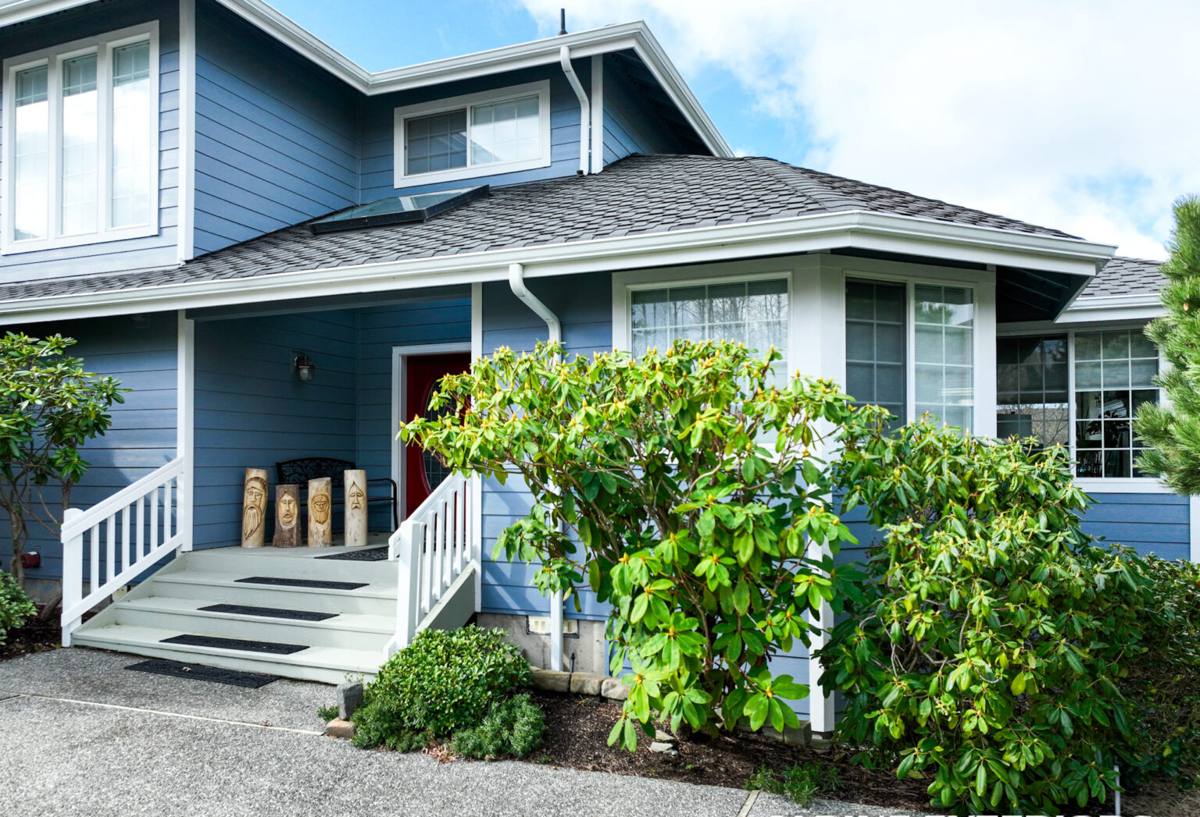
Why Bradenton's Climate Is Genuinely Hard on Siding
Bradenton sits in a stretch of Florida that gets hit from several directions at once: hurricane-force wind events during storm season, intense UV exposure essentially year-round, wind-driven rain that pushes moisture sideways into wall assemblies instead of just down off the roof, and salt-laden air drifting in off the Gulf and Sarasota Bay. Any one of those is manageable. All four hitting the same wall, year after year, is what actually wears siding out.
What Each of Those Actually Does to a Wall
- Hurricane-force wind — tests fastening patterns and panel edges; loose or under-fastened siding is what peels off first in a storm, not the field of the wall.
- Year-round UV — breaks down pigments and surface coatings over time, which is why so many painted or vinyl exteriors in this area fade, chalk, or need repainting well before a Northern climate equivalent would.
- Wind-driven rain — forces water sideways and upward under laps and around openings, which is a moisture-management problem, not just a "water-resistant material" problem.
- Salt air — accelerates corrosion on fasteners, flashing, and trim hardware, and it's a slow, cumulative effect that's easy to underestimate.
Whitfield Estates adds its own wrinkle on top of that: a lot of the neighborhood has mature tree cover, which is a real asset for shade and curb appeal, but it also means some wall sections stay damp longer after a storm because they don't get direct sun and airflow to dry out. That combination — moisture that lingers plus salt air plus UV on the sections that do get sun — is exactly the kind of mixed exposure that punishes the wrong siding material.
What Local Homes Actually Need From Their Siding
Given that mix of conditions, the siding on a Whitfield Estates home needs to do several things at once, not just one:
- Hold paint and color without fading, chalking, or streaking under near-constant sun.
- Resist moisture absorption and swelling in shaded, slower-drying wall sections.
- Stay fastened and intact under straight-line and hurricane wind loads.
- Shrug off pests — termites and wood-boring insects are a real concern on older Florida lots with mature landscaping.
- Tolerate salt air without accelerated corrosion at fasteners, trim, and flashing.
This is exactly where fiber cement earns its keep over wood, vinyl, or engineered wood products. It's dimensionally stable in humidity swings, it doesn't feed termites, it holds a factory finish far longer than field-applied paint, and it's rated for the wind exposures this region actually sees.
Why We Install Only James Hardie Fiber Cement — Not Vinyl, Not LP SmartSide, Not Cedar
We standardized on James Hardie fiber cement products exclusively, and we don't install vinyl siding, LP SmartSide, Cemplank, Allura, or primed spruce and cedar. That's not a marketing position — it's a decision based on what actually survives this climate long term with the least maintenance headache for the homeowner.
Vinyl can soften, warp, or crack under sustained heat and impact, and its color is baked into the material rather than factory-cured the way Hardie's ColorPlus finish is, so fading shows differently and repair panels are harder to color-match years later. Engineered wood products like LP SmartSide use wood strand cores that are more moisture-sensitive at cut edges and seams than fiber cement, which matters in a wind-driven-rain climate. Untreated or primed wood siding — spruce, cedar — looks great on day one but demands an ongoing paint and caulk maintenance cycle to keep moisture out, and it's genuinely attractive to the insects that thrive in this region's landscaping. None of these are "bad" products in every application; they're just not the right fit for what Bradenton's climate does to a house over a 20- or 30-year horizon.
James Hardie's HardieZone system specifically engineers its HZ5 product line for hot, humid, high-UV climates like ours — as opposed to the HZ10 formulation built for freeze-thaw regions up north. That's a meaningful difference, not a marketing label: the HZ5 formulation is tuned for moisture and humidity performance rather than freeze-thaw cracking resistance, because freeze-thaw simply isn't the threat here. Combined with the ColorPlus factory finish (baked-on, not field-brushed) and Hardie's transferable limited warranty, it's the closest match we've found to what a Whitfield Estates wall actually needs to survive.
What a Correct Fiber Cement Installation Actually Involves
Fiber cement is only as good as the installation behind it. A huge share of the siding problems we get called out to inspect on older homes aren't material failures — they're installation shortcuts that let water find its way behind the cladding. Getting it right means following the manufacturer's fastening and clearance specifications, not just "close enough."
The Details That Actually Matter
- Weather-resistive barrier first — a properly lapped and taped house wrap or building paper goes on before any siding, and it's the real moisture defense, not the siding itself.
- Flashing at every penetration — windows, doors, hose bibs, light fixtures, and any other wall penetration need proper flashing so wind-driven rain can't track behind the panel.
- Correct clearances — Hardie specifies minimum clearance from grade, roof lines, decks, and other abutting surfaces; skipping this is one of the most common causes of rot at the bottom course.
- Manufacturer-specified fastener pattern and type — corrosion-resistant fasteners, correct spacing, and correct embedment depth, especially important given the salt air here.
- Proper joint and seam treatment — factory-finished edges get color-matched touch-up where cut, and joints get the caulk or flashing detail Hardie's install guide calls for, not just a bead of generic sealant.
Skipping any one of these doesn't usually cause an immediate problem — it causes a problem in year four or five, hidden behind the wall, which is worse.
How Our Process Works on a Whitfield Estates Home
Because we already work regularly in this neighborhood, our process starts with what we already know about the housing stock here rather than treating every home as a blank slate.
- On-site assessment — we look at the home's age, existing siding material, and specifically check the shaded, tree-covered wall sections for signs of trapped moisture or soft sheathing, since those areas fail first.
- Tear-off and substrate inspection — once old siding comes off, we inspect the sheathing underneath and address any rot, pest damage, or water intrusion before anything new goes up. New siding over a damaged substrate just hides the problem.
- Weather barrier and flashing installation — house wrap, window and penetration flashing, and drainage details go in per code and manufacturer spec.
- Hardie panel or lap installation — installed to the fastening pattern, clearance, and joint specifications for our HardieZone climate designation.
- Trim, touch-up, and final inspection — cut edges get color-matched, all penetrations get a final water-tightness check, and we walk the job with the homeowner before calling it done.
- Cleanup and haul-away — old siding and debris removed, yard and landscaping left the way we found it.
Fiber Cement vs. Other Siding Options for This Climate
| Factor | James Hardie Fiber Cement | Vinyl | Wood / Engineered Wood |
|---|---|---|---|
| Hurricane wind performance | Engineered and rated for regional wind exposures | Can crack, warp, or blow off in sustained high wind | Performance depends heavily on fastening and substrate condition |
| UV / color retention | Factory ColorPlus finish resists fading | Color molded into material; can fade and doesn't repaint easily | Requires repainting on a recurring cycle |
| Moisture / rot resistance | Dimensionally stable, doesn't rot | Doesn't rot but can trap moisture behind panels | Susceptible to rot and swelling, especially in shaded areas |
| Pest resistance | Not a food source for termites or insects | Not a food source, but trim/furring can be | Attractive to termites and wood-boring insects |
| Typical maintenance | Occasional rinse, caulk checks | Low, but repairs are visually obvious | Ongoing paint, caulk, and inspection cycle |
| Long-term cost | Higher upfront, lower lifetime maintenance | Lowest upfront, moderate lifetime cost | Moderate upfront, highest lifetime maintenance cost |
Keeping Fiber Cement Siding Performing Long-Term
Fiber cement is genuinely low-maintenance compared to the alternatives, but "low-maintenance" isn't "no-maintenance," especially with tree canopy and salt air in the mix.
- Rinse the exterior periodically to clear salt residue and pollen buildup, particularly on walls closer to the water.
- Inspect caulking at trim, windows, and joints once a year and re-caulk any cracked or separated sections before storm season.
- Keep tree branches trimmed back from siding — direct contact and abrasion during wind events is a real cause of surface damage under canopy cover.
- Keep gutters and downspouts clear so roof runoff isn't dumping extra water onto specific wall sections.
- Watch mulch and landscaping buildup against the foundation — it can creep siding clearance down below the manufacturer minimum over the years.
- Touch up any exposed cut edges or scratches promptly to keep the factory finish's moisture protection intact.
Permitting and Practical Considerations in Manatee County
A full siding replacement in Bradenton and unincorporated Manatee County generally requires a building permit, and the work needs to meet Florida Building Code provisions for wind resistance and water intrusion for our wind exposure category — that's part of why fastening pattern and flashing detail aren't optional extras, they're code-driven. If your section of Whitfield Estates has a homeowners association or deed restrictions, it's also worth confirming there are no color or material approval steps before work begins. We handle the permitting process as part of the job rather than leaving it for the homeowner to sort out.
Why Hiring a Crew That Already Works in Whitfield Estates Matters
Siding work in an established neighborhood like this rewards familiarity. A crew that's already worked on homes of a similar age and construction in the area knows what's typically hiding behind the old siding before it even comes off, understands which streets carry heavier tree canopy and need extra attention to moisture detailing, and has already been through the Manatee County permitting process rather than learning it on your job. That translates into fewer surprises, a more accurate estimate up front, and a finished job that's actually built for the conditions this specific neighborhood sees — not a generic install dropped in from somewhere else.
If you're considering new siding for a home in Whitfield Estates, we're happy to come take a look, walk the exterior with you, and put together a free, no-pressure estimate based on what your home actually needs.